
Understanding Hip Pain When Standing
If you experience hip pain when transitioning from sitting to standing, you’re not alone. Many individuals face discomfort due to tight hip flexors or sitting positions that place strain on the hip muscles. This post will provide you with five quick fixes to alleviate hip pain when you stand up from sitting.
What Causes Hip Pain When Standing?
Hip pain often arises from prolonged sitting, which can lead to muscle stiffness. The hip flexors, particularly the iliopsoas, get shortened when you remain seated with your hips bent. When you stand up, these muscles must quickly lengthen, potentially causing discomfort. Additionally, crossing your legs while sitting can place tension on the outer hip muscles, contributing to pain when you stand.
Tip 1: Adjust Your Sitting Position
To prevent hip pain, start with your sitting posture. Avoid crossing your legs for extended periods, as this can exacerbate stiffness. Instead, keep your knees together and maintain a square hip position, which promotes better alignment.
Tip 2: Use a Supportive Chair
Sitting on the edge of your seat with an arched back can strain your hip flexors. Instead, sit back in your chair, allowing it to support your spine. This position helps your muscles relax and reduces the risk of discomfort when standing.
Tip 3: Lean Forward When Standing Up
As you prepare to stand, scoot to the front of your chair and lean forward. This shift in your center of gravity makes it easier to stand without straining your hips. Instead of relying solely on leg strength, this technique allows your body to pivot smoothly.
Tip 4: Squeeze Your Glutes
When you begin to stand, focus on squeezing your glutes. This action helps to stabilize your pelvis and spine, reducing the risk of arching your lower back excessively. Aim to stand up about 75% of the way before fully extending, which can help prevent nerve pinching.
Tip 5: Step Carefully
After standing, take a moment to shift your weight to your stronger leg before stepping forward. This allows your hip flexors to stretch slightly, easing tension. Additionally, take smaller steps initially to minimize strain on your hips and lower back.
Conclusion: Next Steps for Comfort
By implementing these five quick fixes, you can significantly reduce hip pain when transitioning from sitting to standing. Remember, maintaining proper posture while sitting and using techniques to ease the standing process can make a substantial difference. If you continue to experience hip pain, consider consulting with a healthcare professional for personalized advice.
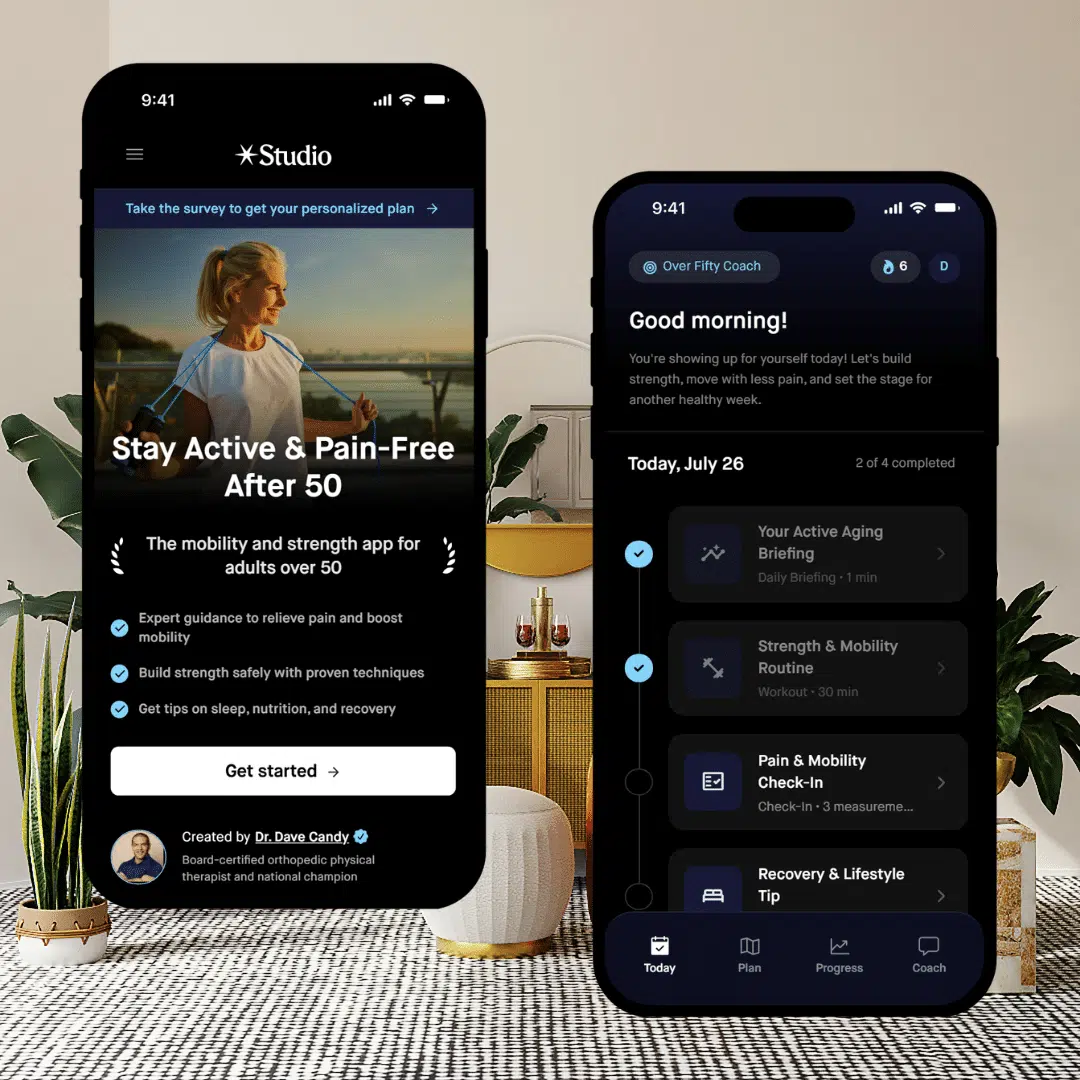
Need Help To Stay Strong and Mobile After 50?
Affiliate Disclosure: This post contains affiliate links to Amazon and/or other sites. While I only recommend products that I trust, as an Amazon Associate, I earn commission from qualifying purchases at no extra cost to you.
Medical Disclaimer: The content on this site is for educational and informational purposes only and is not intended as medical advice. Always consult with a qualified healthcare professional before beginning any new exercise program, diet, or supplement regimen, especially if you have pre-existing health conditions.