
Understanding Neck and Shoulder Tightness
If you often experience stiffness and tightness at the base of your neck or across your shoulders, you’re not alone. Many people carry stress in their shoulders, leading to discomfort and tension. Understanding the causes of neck and shoulder tightness is the first step toward finding relief.
What Causes Neck and Shoulder Tightness?
A significant contributor to this tightness is sustained postures and low-level muscle contractions. The Henman’s size principle explains that muscle fibers are activated in a specific order during low-level tasks. For instance, if you spend long hours typing or using your smartphone, even good posture may not prevent stiffness from developing.
Forward head posture or rounded shoulders can exacerbate the situation, especially if you lack arm support while working. The continuous strain can lead to the formation of knots or trigger points in your shoulder muscles.
Quick Relief Techniques for Neck and Shoulder Tightness
To alleviate immediate discomfort, consider trying trigger point therapy. This method involves applying gentle pressure to knotted areas in your shoulder muscles. By locating areas of tension in the upper trapezius and applying light pressure for a few minutes, you can promote relaxation.
How to Perform Trigger Point Therapy
Start by identifying a tight spot on your shoulder blade. With your fingers, gently strum across the muscle fibers in a perpendicular direction. Hold gentle pressure on the most tense areas for about one to three minutes. Breathe deeply to facilitate relaxation as you apply pressure.
Stretching for Long-Term Relief
After performing trigger point therapy, it’s essential to stretch the affected muscles. Stretching helps release tension and restore flexibility. However, be cautious if you notice uneven shoulder blades. If one shoulder blade is lower, avoid stretching that side as it may already be overstretched.
Effective Stretching Techniques
If your shoulder blade is higher on one side, you can stretch the upper trapezius by tilting your head towards the opposite shoulder. To stretch the scalene muscles, use a stretching strap or belt. Sit down with one end of the strap secured and pull the other end over your shoulder, tilting your head to the opposite side until you feel a stretch.
Addressing Muscle Imbalances
For individuals with one shoulder blade lower than the other, instead of stretching, focus on strengthening exercises. An effective exercise is to slide your arms up a wall while standing. This movement shortens your upper trapezius and can alleviate tension in the neck.
Posture Adjustments for Prevention
To prevent recurrence of neck and shoulder tightness, maintaining proper posture is crucial. Avoid forward head posture, especially while typing or using devices. Ensure your monitor is positioned slightly below eye level and keep your chin tucked in. This posture helps alleviate pressure on your neck and promotes relaxation.
Incorporating Movement into Your Routine
Regular movement is vital for preventing stiffness. If you work at a desk, take short breaks every hour. Stand up, walk around, and perform gentle neck stretches to release muscle tension. These small adjustments can significantly improve your comfort level.
When to Seek Professional Help
If you’ve tried these techniques and still experience chronic muscle tension, consider treatments like dry needling. This technique involves inserting acupuncture needles into trigger points and can provide relief for long-standing tension.
Conclusion: Taking Action Against Neck and Shoulder Tightness
By understanding the causes of neck and shoulder tightness and implementing these strategies, you can achieve both short-term relief and long-term prevention. Prioritize your posture, take regular breaks, and explore professional treatment options if necessary. Your neck and shoulders deserve to feel relaxed and pain-free.
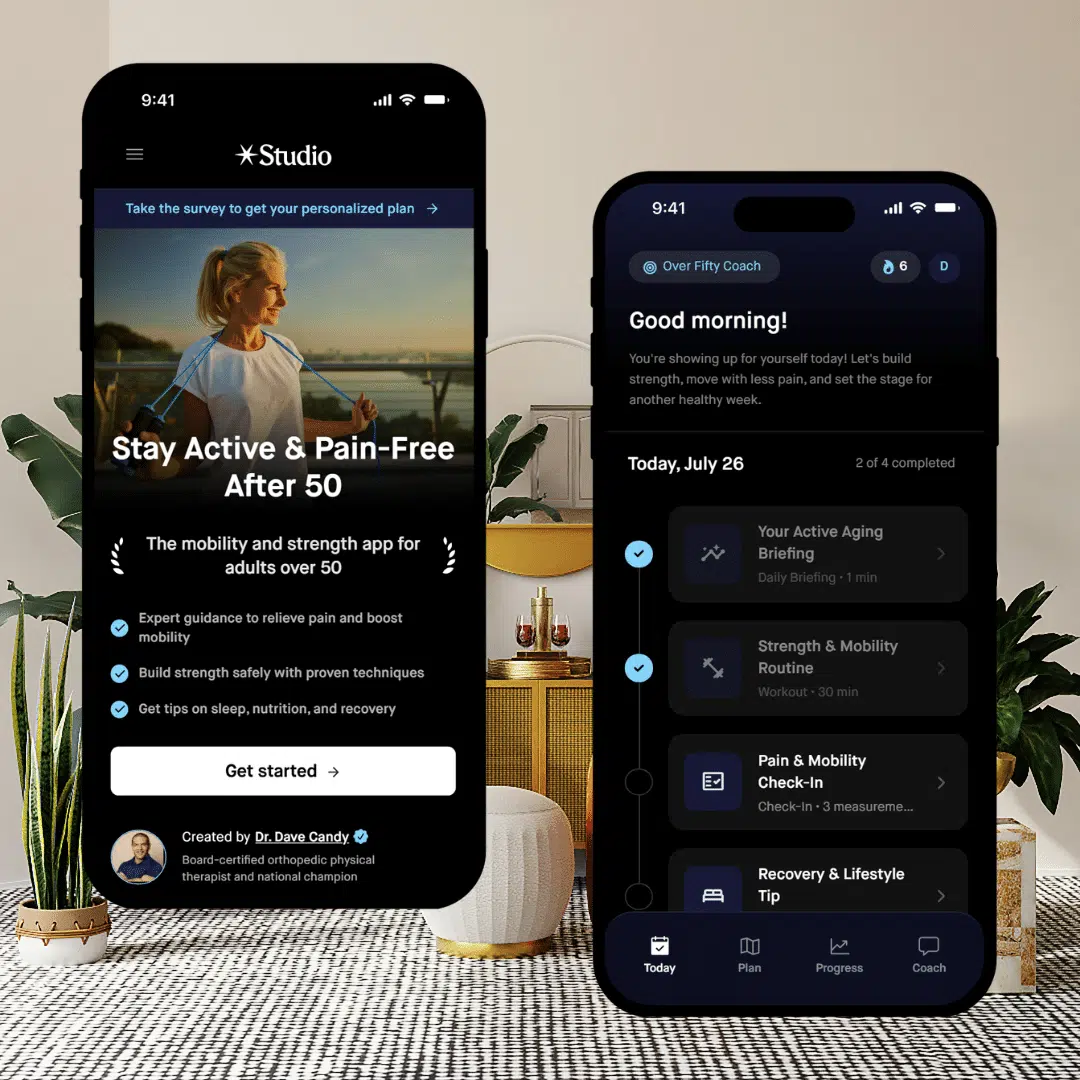
Need Help To Stay Strong and Mobile After 50?
Affiliate Disclosure: This post contains affiliate links to Amazon and/or other sites. While I only recommend products that I trust, as an Amazon Associate, I earn commission from qualifying purchases at no extra cost to you.
Medical Disclaimer: The content on this site is for educational and informational purposes only and is not intended as medical advice. Always consult with a qualified healthcare professional before beginning any new exercise program, diet, or supplement regimen, especially if you have pre-existing health conditions.