
Understanding Persistent Knee Pain After Surgery
Experiencing persistent knee pain one year after knee replacement surgery can be incredibly frustrating. Many patients undergo surgery with the hope of alleviating pain, only to find themselves facing ongoing discomfort. Studies show that around 20% of individuals still report knee pain a year after the procedure. In this post, we’ll explore the common causes of this pain and offer actionable tips to improve your comfort and quality of life.
Common Causes of Chronic Pain After Knee Replacement
After a knee replacement, patients often worry about whether something went wrong during surgery. Fortunately, most cases of persistent pain are not due to surgical errors or complications, such as infections. Instead, research identifies several factors that contribute to ongoing discomfort.
1. Catastrophizing and Mental Health
One significant predictor of chronic pain is catastrophizing—essentially, negative thinking patterns that lead individuals to believe bad outcomes are inevitable. Studies indicate that having a positive mental outlook can significantly improve recovery outcomes. Maintaining hope and focusing on potential improvements can help alleviate pain perception.
2. Preoperative Pain Levels
Surprisingly, high levels of pain before surgery do not necessarily correlate with better outcomes. Research suggests that individuals with lower preoperative pain levels often experience less pain after surgery. This phenomenon may be linked to how the nervous system processes pain signals. If your nervous system is already sensitive, replacing the joint may not alleviate discomfort coming from other sources.
3. Other Pain Sites and Comorbidities
If you have pain in multiple areas of your body, such as both knees or other joints, it might indicate a central sensitivity to pain. Conditions like diabetes, obesity, or high blood pressure can also impact recovery. Addressing these comorbidities through lifestyle changes can enhance overall health and potentially reduce knee pain.
Actionable Tips for Improving Knee Comfort
While the underlying causes of your pain may vary, there are several steps you can take to improve your situation:
1. Focus on Mental Health
Consider engaging in mindfulness practices, such as meditation or yoga, to cultivate a positive mental state. Therapy or counseling can also be beneficial, helping you navigate feelings of anxiety or depression that may arise after surgery.
2. Stay Active
Regular physical activity is crucial for recovery. Aim for low-impact exercises, such as swimming or cycling, to strengthen muscles around the knee without placing excessive strain on the joint. Gradually incorporate stretching exercises to improve flexibility and reduce stiffness.
3. Maintain a Healthy Lifestyle
Adopting a balanced diet rich in nutrients can support healing and overall health. Focus on whole foods—fruits, vegetables, lean proteins, and whole grains. Adequate sleep is also essential for recovery, as it allows your body to repair itself.
4. Manage Expectations
It’s important to set realistic expectations for your recovery. Understand that while improvements may take time, focusing on small milestones can help you stay motivated. Consider creating a vision of your ideal life post-recovery and actively pursue activities that bring you joy.
Next Steps: A Holistic Approach to Recovery
Addressing persistent knee pain after surgery requires a comprehensive approach that includes mental, physical, and emotional health. By focusing on your overall wellness and being proactive in your recovery, you can improve your quality of life. Consult with a physical therapist to develop a tailored plan that fits your needs and addresses the factors contributing to your pain. Remember, you’re not alone on this journey; many patients experience similar challenges, and with the right support, it’s possible to overcome them.
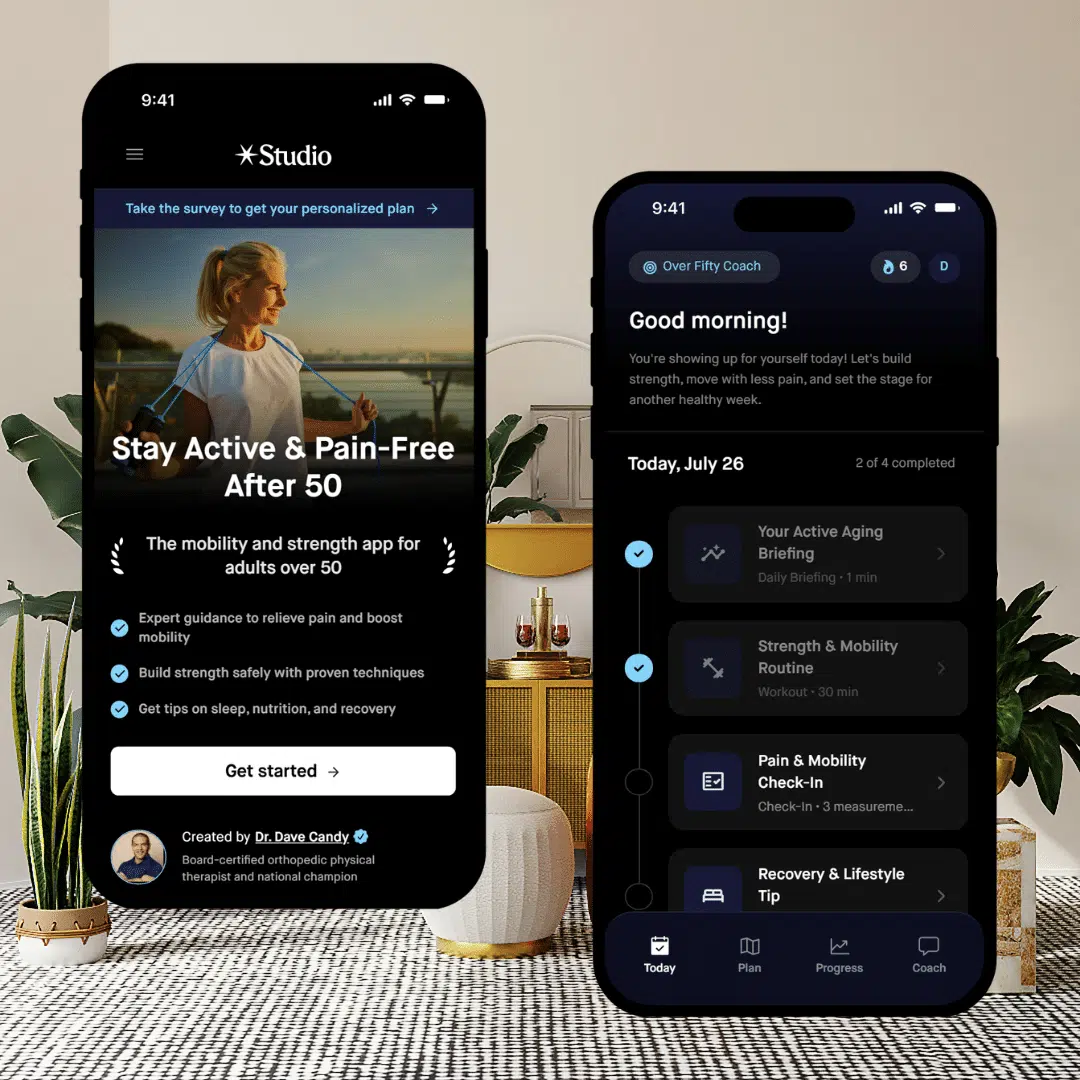
Need Help To Stay Strong and Mobile After 50?
Affiliate Disclosure: This post contains affiliate links to Amazon and/or other sites. While I only recommend products that I trust, as an Amazon Associate, I earn commission from qualifying purchases at no extra cost to you.
Medical Disclaimer: The content on this site is for educational and informational purposes only and is not intended as medical advice. Always consult with a qualified healthcare professional before beginning any new exercise program, diet, or supplement regimen, especially if you have pre-existing health conditions.