
Introduction to Core Strength
Many individuals experience back pain when standing or walking, which may indicate that their core strength needs attention. A strong core supports your spine, helping to alleviate discomfort and improve overall function. This blog post will guide you through a simple core strength test, the leg lowering test, and provide actionable steps to enhance your core stability.
The Importance of Core Strength
Your core consists of several muscles, primarily the abdominals, which are crucial for maintaining posture and stability. This is particularly important for older adults and those suffering from back pain. Strengthening your lower abdominals can significantly improve your quality of life.
Understanding the Leg Lowering Test
The leg lowering test is a classic assessment used in physical therapy since 1949 and remains relevant today. To perform the test:
- Lie on your back with your legs raised to 90 degrees.
- Slowly lower your legs towards the floor, keeping your lower back flat against the ground.
- Observe if your lower back arches or pops up from the ground. If it does, that marks your limit.
Record the angle at which your lower back lifts. A normal score allows you to lower your legs flat on the ground. If you can lower your legs to within 30 degrees, that’s acceptable, but if you’re higher than 45 degrees, it’s time to strengthen your core.
Steps to Improve Core Strength
Once you know your score, you can begin to enhance your core strength through a structured exercise progression. Below are five levels of exercises to help improve your core stability.
Level 1: Marching on Your Back
Start by lying on your back with your legs raised. Perform the following:
- Flatten your lower back against the ground by tightening your abdominals.
- Lift one leg, then lower it back down, and switch to the other leg.
Maintain tension in your abdominals throughout the exercise. Once you can complete 20 repetitions successfully, you’re ready for the next level.
Level 2: Alternating Leg Raises
This exercise builds on the first:
- Raise one leg up to 90 degrees, keeping your lower back flat.
- Lift the other leg to 90 degrees, then lower them alternately.
Focus on control and stability, especially as the second leg leaves the ground. Once you can do 20 repetitions without your lower back lifting, move on to Level 3.
Level 3: Straight Leg Lowers
In this level, you’ll lower one leg straight down:
- Lift one leg and lower it straight down towards the ground, then bring it back up.
- Alternate with the other leg.
Aim to get as close to the ground as possible without your lower back lifting. When you can perform 20 repetitions on each leg, proceed to Level 4.
Level 4: Double Leg Lifts
This exercise further challenges your core stability:
- Lift both legs together and lower them down while keeping your back flat.
The most challenging part is right as your legs approach the ground. Focus on maintaining a flat lower back throughout. Once you can complete 20 repetitions, you’re ready for the final test.
Level 5: The Final Test
Return to the original leg lowering test with both legs raised. Gradually lower them as far down as possible without lifting your lower back. Over time, aim to get closer to the floor without your back arching.
Conclusion: Your Next Steps
After completing the test and exercises, it’s essential to continue practicing and challenging your core strength. Remember, your abdominals are just one part of your core; your glutes also play a vital role. Consider incorporating glute-strengthening exercises into your routine for a comprehensive approach to core stability.
Leave a comment with your score and which exercise level you reached. Together, we can work towards improved core strength and reduced back pain.
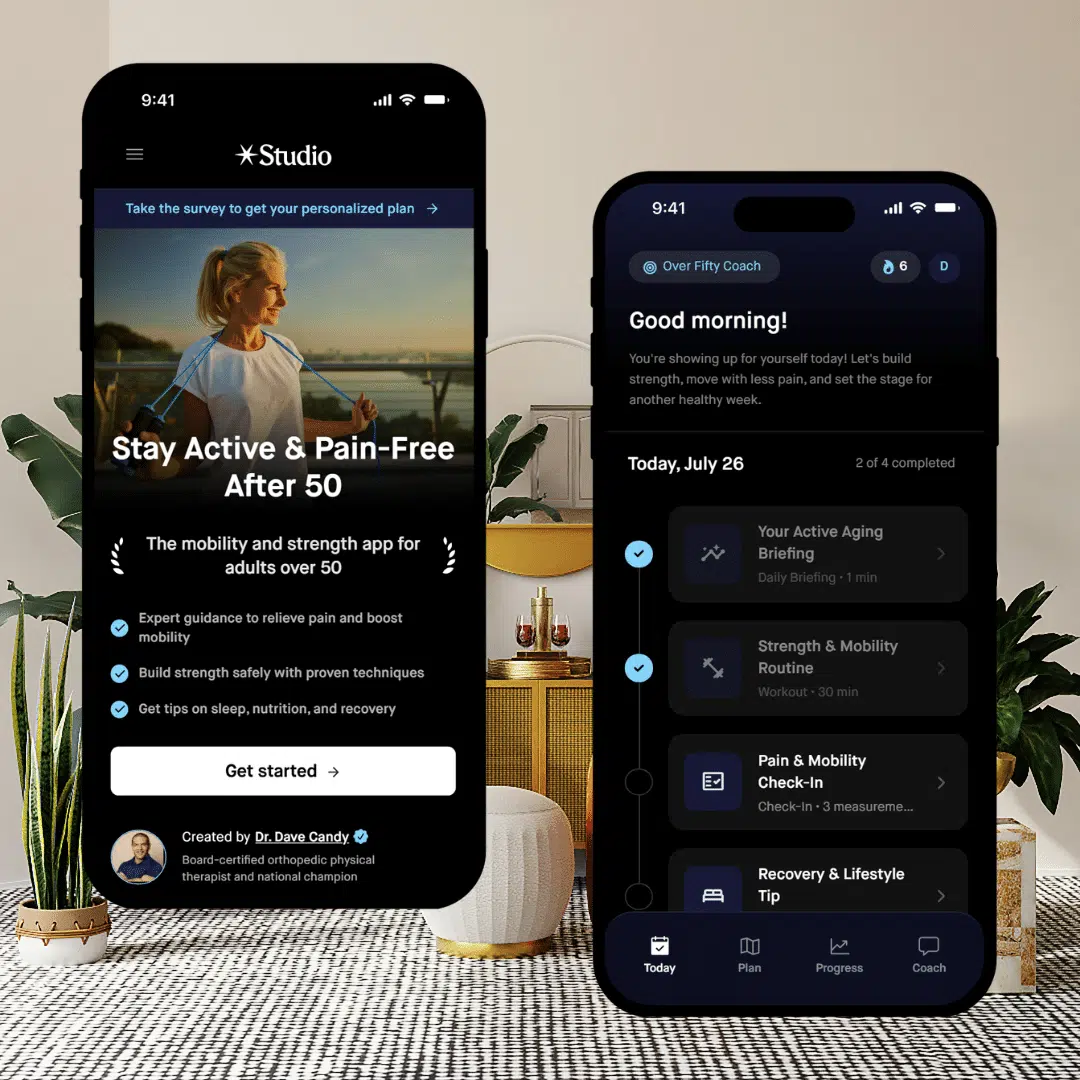
Need Help To Stay Strong and Mobile After 50?
Affiliate Disclosure: This post contains affiliate links to Amazon and/or other sites. While I only recommend products that I trust, as an Amazon Associate, I earn commission from qualifying purchases at no extra cost to you.
Medical Disclaimer: The content on this site is for educational and informational purposes only and is not intended as medical advice. Always consult with a qualified healthcare professional before beginning any new exercise program, diet, or supplement regimen, especially if you have pre-existing health conditions.