
Understanding Pain: A New Perspective
If you’ve been grappling with pain, understanding its nature is crucial. The first lesson I wish I had learned sooner is that pain does not equate to tissue damage. It’s a common misconception that an injury directly correlates with pain signals sent to the brain. However, pain is a complex message that our brain sends to warn us of potential danger. Factors such as our mental state, past experiences, and even our values play a significant role in how we perceive pain.
The Brain’s Role in Pain Perception
Your brain processes various signals to determine if you’re in danger. If it perceives a threat, it can trigger a series of physiological responses, such as increased heart rate and muscle tension. This reaction can occur even when there is no significant tissue damage, leading to frustration for many individuals. It’s important to recognize that pain is real, regardless of its origin.
No Pain, No Gain: A Misleading Mantra
Another lesson I learned is that the saying ‘no pain, no gain’ is not always helpful, especially during recovery from an injury. While pushing through discomfort may be necessary in sports training, it can be counterproductive when recovering from pain. Ignoring pain signals during rehabilitation can lead to further tissue damage or reinforce negative perceptions about movement.
Listen to Your Body
Instead of adhering to the ‘no pain, no gain’ mentality, focus on what your body can handle. Engage in activities that feel productive without causing excessive discomfort. This approach allows for recovery without aggravating existing injuries.
Muscle Pain: An Overlooked Source
Muscle pain is often overlooked, as there are no specialists dedicated solely to muscle health. Many individuals may not realize that muscles can be a significant source of pain, particularly in chronic conditions like fibromyalgia. Prolonged static postures can lead to muscle stiffness and discomfort.
The Importance of Muscle Care
To alleviate muscle pain, it’s essential to recognize the signs of tightness and trigger points. Rather than solely relying on stretching, which can sometimes exacerbate the issue, consider gentle pressure techniques. Locate sore areas and apply gentle pressure for 1.5 to 3 minutes. This technique encourages muscle relaxation and pain relief.
Nerve Pain: A Complex Challenge
Nerve pain is another complex source of discomfort that often requires a different approach. Nerves depend on glucose, oxygen, and proper movement for health. Conditions like sciatica can benefit from simple nerve glides to promote blood flow and alleviate discomfort.
Maintain Nerve Health
Incorporating regular movement and general exercise can significantly improve nerve health. These practices enhance blood flow and oxygen delivery to your nerves, helping reduce nerve pain effectively.
The Power of Small Changes
When dealing with persistent pain, we often assume that the cause must be severe. However, small routine changes can have a significant impact on pain management. Consider factors like posture, sleeping positions, and daily movements; these accumulated habits can lead to discomfort over time.
Identify and Adjust
Take time to identify potential triggers in your daily routine. Adjusting these small things can lead to significant improvements in your overall comfort and pain levels.
Mind Over Matter: Cognitive Strategies
Your brain’s interpretation of pain plays a crucial role in your experience. Practicing cognitive techniques can help manage pain perception. One effective method is diaphragmatic breathing, which activates the body’s relaxation response.
Practice Diaphragmatic Breathing
To practice this technique, place one hand on your chest and the other on your belly. Focus on breathing deeply into your belly, allowing it to rise and fall quietly. This method promotes relaxation and can significantly reduce the perception of pain.
The Gut-Pain Connection
Did you know your gut health can influence pain perception? The gut contains a vast number of bacterial cells that send signals to your nervous system. A healthy gut contributes to overall well-being and can help regulate pain signals.
Nutrition for Pain Relief
To maintain gut health, consume a diet rich in fiber and prebiotics while avoiding processed sugars. These dietary choices foster a healthy gut biome and can positively affect your pain experience.
Consistency Over Intensity
Finally, remember that consistency beats intensity. Many people start new fitness routines with enthusiasm but quickly lose motivation. Instead of extreme efforts, aim for sustainable habits that you can maintain over time.
Commit to Small, Achievable Goals
Set realistic goals and gradually build your routine. This approach will help you stay committed and achieve long-term pain relief without burnout.
Conclusion
Understanding pain and implementing these lessons can transform your approach to pain management. By recognizing the multifaceted nature of pain, you can take actionable steps towards relief. Start by making small changes in your daily routine, practicing cognitive techniques, and prioritizing your overall health. Your journey to pain relief begins with understanding and taking consistent actions towards improvement.
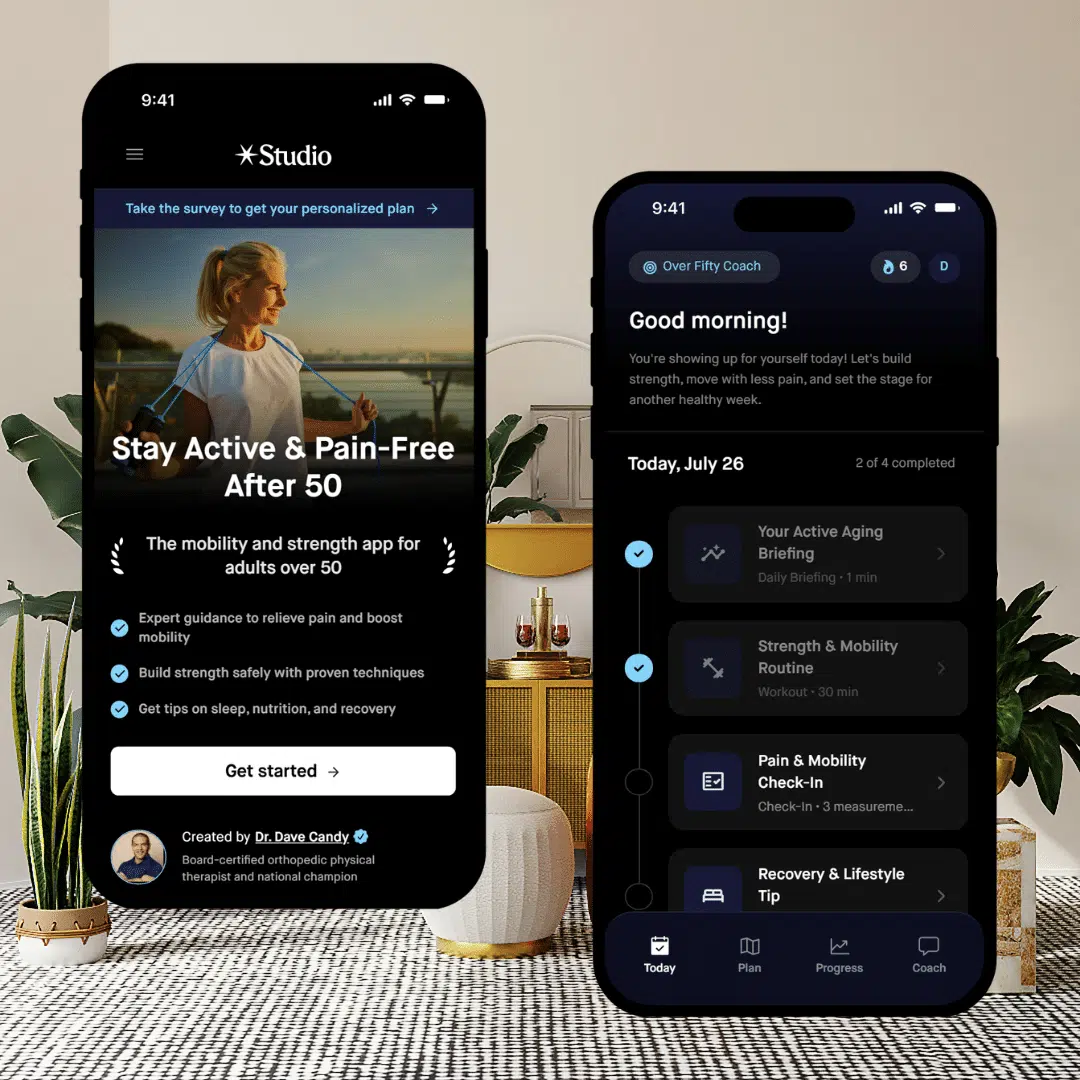
Need Help To Stay Strong and Mobile After 50?
Affiliate Disclosure: This post contains affiliate links to Amazon and/or other sites. While I only recommend products that I trust, as an Amazon Associate, I earn commission from qualifying purchases at no extra cost to you.
Medical Disclaimer: The content on this site is for educational and informational purposes only and is not intended as medical advice. Always consult with a qualified healthcare professional before beginning any new exercise program, diet, or supplement regimen, especially if you have pre-existing health conditions.