
Understanding Lumbar Spinal Stenosis
Lumbar spinal stenosis can make standing or walking for extended periods increasingly difficult. Many individuals with this condition may unknowingly engage in habits that exacerbate their symptoms. In this post, we will discuss the top three mistakes to avoid if you have lumbar spinal stenosis and explore effective strategies to relieve your discomfort.
Mistake #1: Excessive Backward Bending
One common mistake people make is performing excessive backward bending exercises, such as the Cobra pose. While these exercises may be beneficial for some types of back pain, they can worsen symptoms for those with spinal stenosis. This backward bending movement narrows the spaces where the nerves exit the spine, intensifying back and leg pain.
Instead of backward bending, consider forward bending exercises. Contrary to popular belief, forward bending can open up the spaces around the nerves and often alleviate symptoms. Simple movements like bending forward or pulling your knees to your chest can be highly beneficial.
Effective Forward Bending Techniques
- Child’s Pose: Start on all fours and rock back, gently stretching the spine.
- Sitting Forward Bend: While seated, lean forward to open up the nerve spaces.
- Knees to Chest: Pulling one or both knees to your chest can flatten the lower back curve, relieving pain.
Mistake #2: Sitting Too Much
Another mistake is sitting for prolonged periods. Extended sitting can stiffen the hip flexor muscles, which are crucial for maintaining a healthy posture. Stiff hip flexors can lead to a forward pelvic tilt and spinal extension, narrowing the nerve exit spaces.
To combat this, incorporate hip flexor stretches into your routine. Position one leg backward while keeping the other forward, rolling your pelvis underneath to flatten your lower back. Hold the stretch for about a minute on each side to enhance flexibility.
Walking: The Best Exercise for Spinal Stenosis
Walking may feel uncomfortable for some, but it’s one of the best exercises for managing lumbar spinal stenosis. To make walking easier, consider using a wheeled walker. Though it might feel awkward, a walker can help you walk longer distances without pain by unloading weight from your spine.
When using a walker, remember to push down with your arms, which helps relieve compression on the spine. Leaning slightly forward, similar to how one leans on a grocery cart, can also provide relief. Ensure to engage your glutes for hip extension while walking.
Mistake #3: Engaging in Spinal Loading Activities
Many individuals unknowingly engage in spinal loading activities that exacerbate their condition. Exercises like weighted squats or overhead presses can compress the spine and worsen pain.
However, weight lifting can still be beneficial for muscle and bone health. Opt for seated positions when performing overhead presses to support your back. Instead of traditional squats, practice a hip hinge with dumbbells at your sides to keep the spine in a neutral position.
Alternative Weight Lifting Strategies
- Seated Overhead Press: Provides back support and reduces spinal stress.
- Hip Hinge: Focus on hip movement rather than back extension to protect your spine.
Next Steps for Managing Lumbar Spinal Stenosis
By avoiding these three common mistakes—excessive backward bending, prolonged sitting, and spinal loading activities—you can better manage your lumbar spinal stenosis. Incorporate forward bending exercises, hip flexor stretches, and mindful walking practices into your daily routine for symptom relief.
If you’re looking for more tips and guidance, there are numerous resources available to help you navigate your journey towards a more comfortable life with spinal stenosis. Remember, small changes can lead to significant improvements in your quality of life.
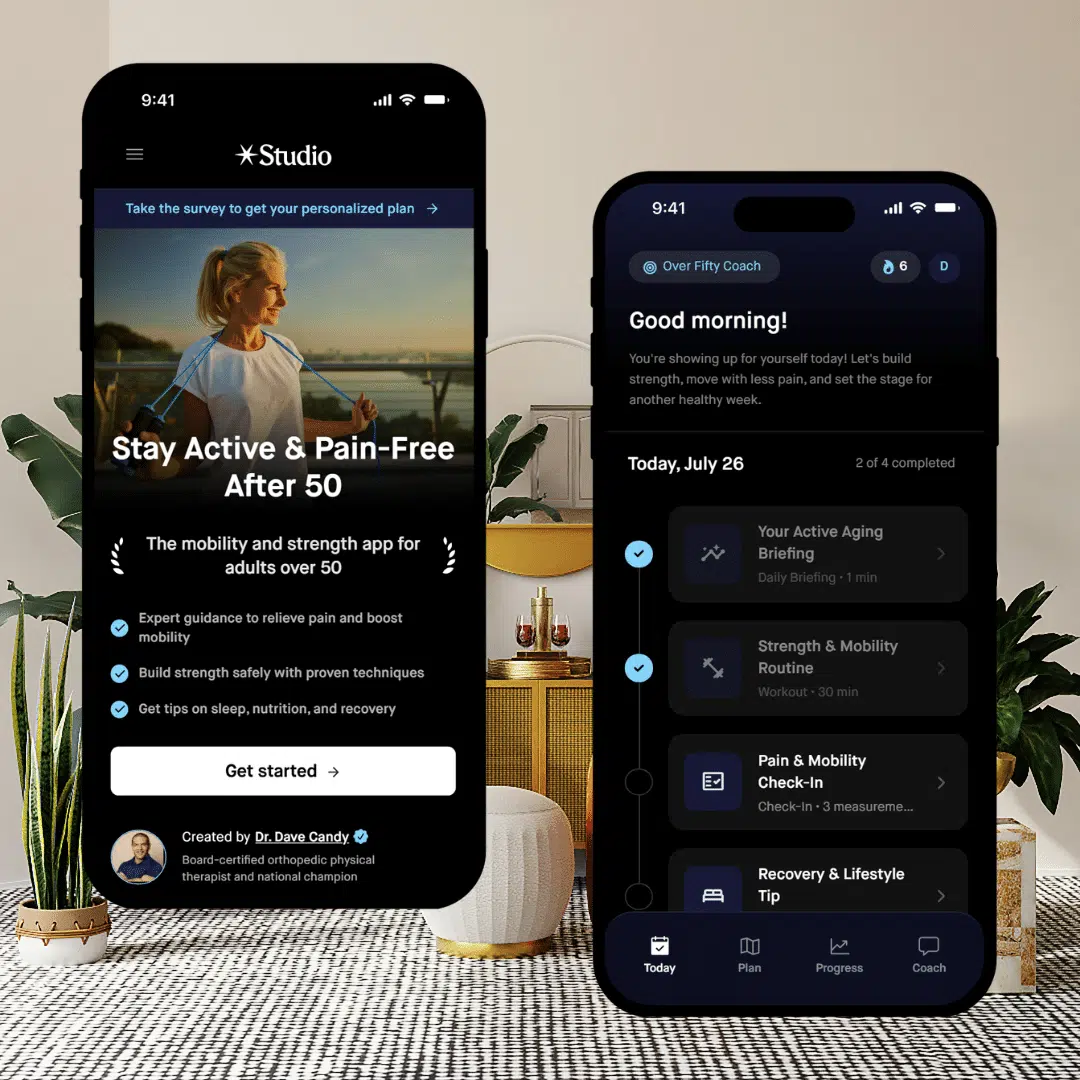
Need Help To Stay Strong and Mobile After 50?
Affiliate Disclosure: This post contains affiliate links to Amazon and/or other sites. While I only recommend products that I trust, as an Amazon Associate, I earn commission from qualifying purchases at no extra cost to you.
Medical Disclaimer: The content on this site is for educational and informational purposes only and is not intended as medical advice. Always consult with a qualified healthcare professional before beginning any new exercise program, diet, or supplement regimen, especially if you have pre-existing health conditions.