
Are Mini-Trampoline Rebounding Exercises Safe for Seniors?
As we age, maintaining an active lifestyle becomes crucial for our health. Mini-trampoline rebounding exercises have gained popularity among seniors for their fun and effective workout potential. But many seniors may wonder: are these exercises safe, especially for those with balance issues or conditions like arthritis? The good news is that with the right precautions, rebounding can be a safe and beneficial exercise option.
Understanding Safety Concerns
Many seniors worry about safety when it comes to jumping on a trampoline. If you have balance concerns, it’s advisable to choose a trampoline with a sturdy handle. For example, the Ancheer Min-Trampoline Rebounder is designed to support up to 450 pounds and provides a stable surface for rebounding.

If balance is a concern, practicing balance exercises, like standing on one leg, can enhance stability on the trampoline. Moreover, even if you have arthritis, the trampoline’s surface absorbs much of the impact, making it a low-impact alternative to other exercises.
Health Benefits of Rebounding Exercises
Rebounding offers multiple health benefits that can improve overall well-being:
- Bone Density: Research indicates that rebounding can help increase bone density, particularly in postmenopausal women.
- Cardiovascular and Respiratory Health: Regular rebounding can enhance heart health and lung capacity.
- Lymphatic Circulation: Rebounding stimulates the lymphatic system, aiding in toxin removal from the body.
- Muscle Strength: This exercise targets leg, core, and pelvic floor muscles, contributing to improved strength and endurance.
- Stress Urinary Incontinence: For women experiencing incontinence, rebounding can strengthen pelvic floor muscles and reduce leakage during physical activity.
Getting Started with Mini-Trampoline Exercises
Ready to give rebounding a try? Start with a simple health bounce. Stand on the trampoline with your feet barely leaving the surface, which helps improve circulation without putting too much stress on your body. Aim for a few minutes of this gentle bouncing to kickstart your workout.
As you gain confidence, you can incorporate more dynamic movements:
- Jumping Jacks: Begin with arms at your sides and jump while raising your arms overhead. If balance is a challenge, consider doing this without moving your arms.
- Side-to-Side Bounces: Move from one side of the trampoline to the other to engage your outer glute muscles.
- Trunk Twists: Engage your core by twisting your trunk while maintaining a stable position on the trampoline.
Always keep safety in mind. If you have balance issues, hold onto the handle while performing these exercises to prevent falls.
Maximizing Your Rebounding Workout
As you become accustomed to rebounding, you can increase the intensity of your workout. Studies suggest that higher bounce heights can enhance cardiovascular benefits, making your workout not only effective but also enjoyable. Rebounding can help burn calories, with estimates suggesting you can burn between 200 to 400 calories in just 30 minutes.
While some claim that just 10 minutes of rebounding can equal 30 minutes of jogging, it’s essential to focus on the quality of your workout rather than just the time spent on the trampoline. Aim for 30-40 minutes of rebounding, 2-3 times a week for optimal health benefits.
The Fun Factor: Why Choose Rebounding?
One of the best aspects of rebounding is that it feels like play. The joy and excitement associated with jumping on a trampoline can make exercising feel less like a chore and more like a fun activity. When you enjoy your workout, you are more likely to stick with it.
Conclusion: Take the Leap into Rebounding
Mini-trampoline rebounding exercises can be a safe and enjoyable addition to your fitness routine. With proper precautions and a focus on safety, seniors can reap the many health benefits of rebounding. If you’re looking for a fun way to stay active as you age, consider incorporating rebounding into your weekly routine.
Before starting any new exercise program, especially if you have existing health concerns, consult with your healthcare provider to ensure it’s appropriate for your individual circumstances.
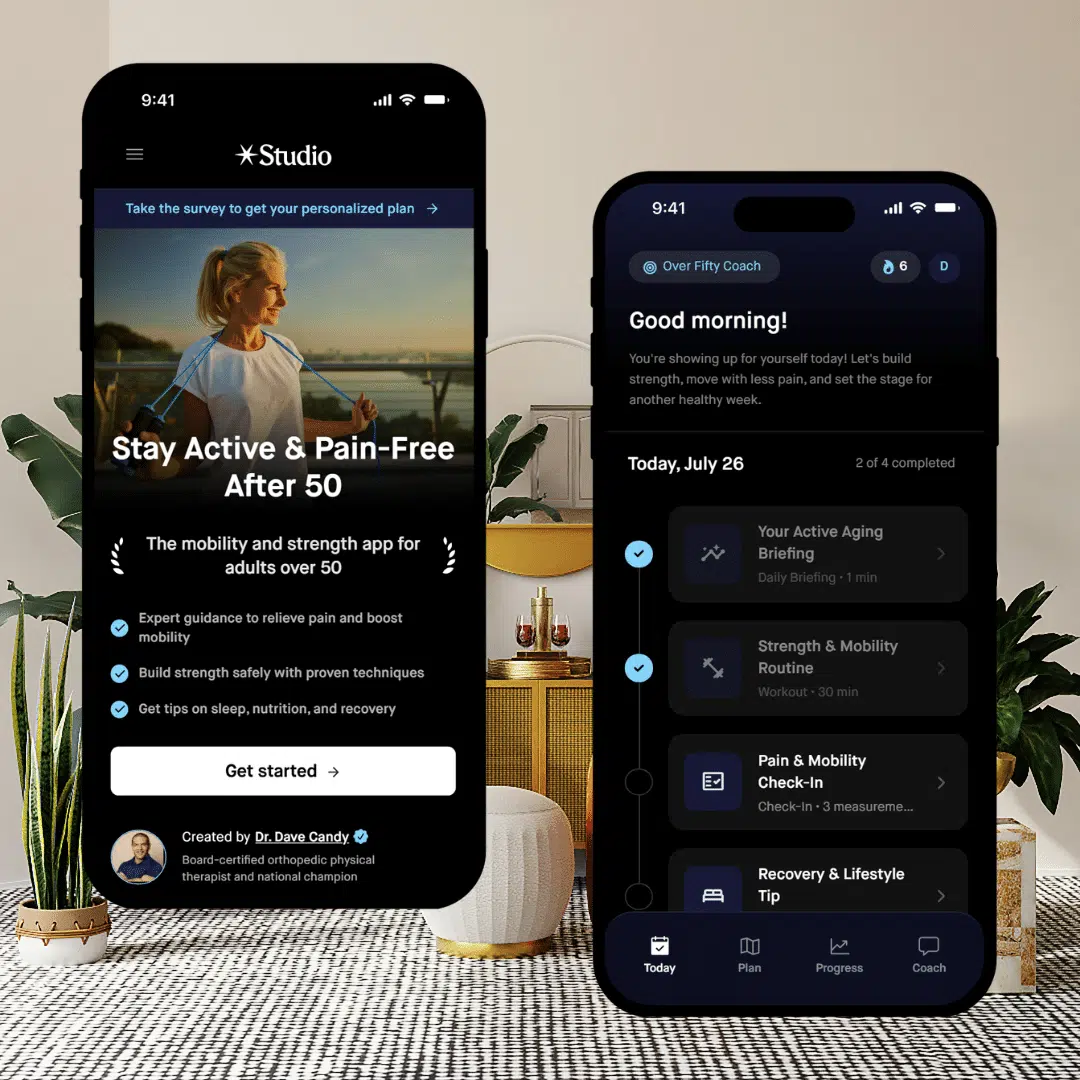
Need Help To Stay Strong and Mobile After 50?
Affiliate Disclosure: This post contains affiliate links to Amazon and/or other sites. While I only recommend products that I trust, as an Amazon Associate, I earn commission from qualifying purchases at no extra cost to you.
Medical Disclaimer: The content on this site is for educational and informational purposes only and is not intended as medical advice. Always consult with a qualified healthcare professional before beginning any new exercise program, diet, or supplement regimen, especially if you have pre-existing health conditions.