
Introduction to Push-Ups for Seniors
Push-ups are one of the best bodyweight exercises to build upper body strength without needing any equipment. Unfortunately, many seniors avoid doing push-ups due to shoulder or wrist pain, or they may feel that they’re too difficult. In this article, we will explore several variations of push-ups that can help seniors build strength at any fitness level.
Starting with Wall Push-Ups
The wall push-up is the easiest version and is perfect for those just getting started or who feel weak in their upper body. The force of gravity is directed downwards while you push your weight horizontally, minimizing the strain on your body.
Correct Form for Wall Push-Ups
To perform a wall push-up effectively, position your arms at a 45-degree angle rather than straight across at shoulder level. This adjustment helps avoid shoulder impingement and ensures proper mechanics during the exercise.
As you push against the wall, focus on pinching your shoulder blades together. This not only sets your shoulder blades properly but also helps in externally rotating your arms, reducing the risk of discomfort.
Adjusting for Wrist Pain
If you experience wrist pain, start with your hands placed higher on the wall. As you progress, you can gradually lower your hands to increase the challenge. Adjust the height until you find a comfortable position that allows for effective wrist extension.
Progressing to Chair Push-Ups
Once you’ve mastered the wall push-up, you can move on to chair push-ups. This variation allows you to get lower while still maintaining a manageable intensity. You can perform this exercise with your arms closer to your body to emphasize triceps strength.
Using a Neutral Grip
For those who struggle with wrist extension, try using a neutral grip by wrapping your hands around the sides of the chair. This grip alleviates strain on the wrists and offers a different angle of resistance.
Using Two Chairs for Wider Grip
If you want to focus on your chest, you can use two chairs to create a wider grip. This allows for a more comprehensive workout while still being manageable.
Transitioning to Kneeling Push-Ups
When you feel comfortable with chair push-ups, you can transition to kneeling push-ups on the floor. This decreases the force needed from your arms compared to a full push-up.
Utilizing Dumbbells for Wrist Support
If wrist pain persists, consider using hexagonal dumbbells. Placing them on the floor allows you to maintain a neutral wrist position, reducing discomfort while still engaging your upper body effectively.
Conclusion: Building Strength Safely
By starting with wall push-ups and gradually progressing to chair and kneeling push-ups, seniors can safely build upper body strength without the fear of pain. Remember to listen to your body and adjust your form as needed to ensure a comfortable and effective workout.
For more upper body strengthening exercises using dumbbells or a full-body workout, consider exploring further resources that can guide you on your fitness journey.
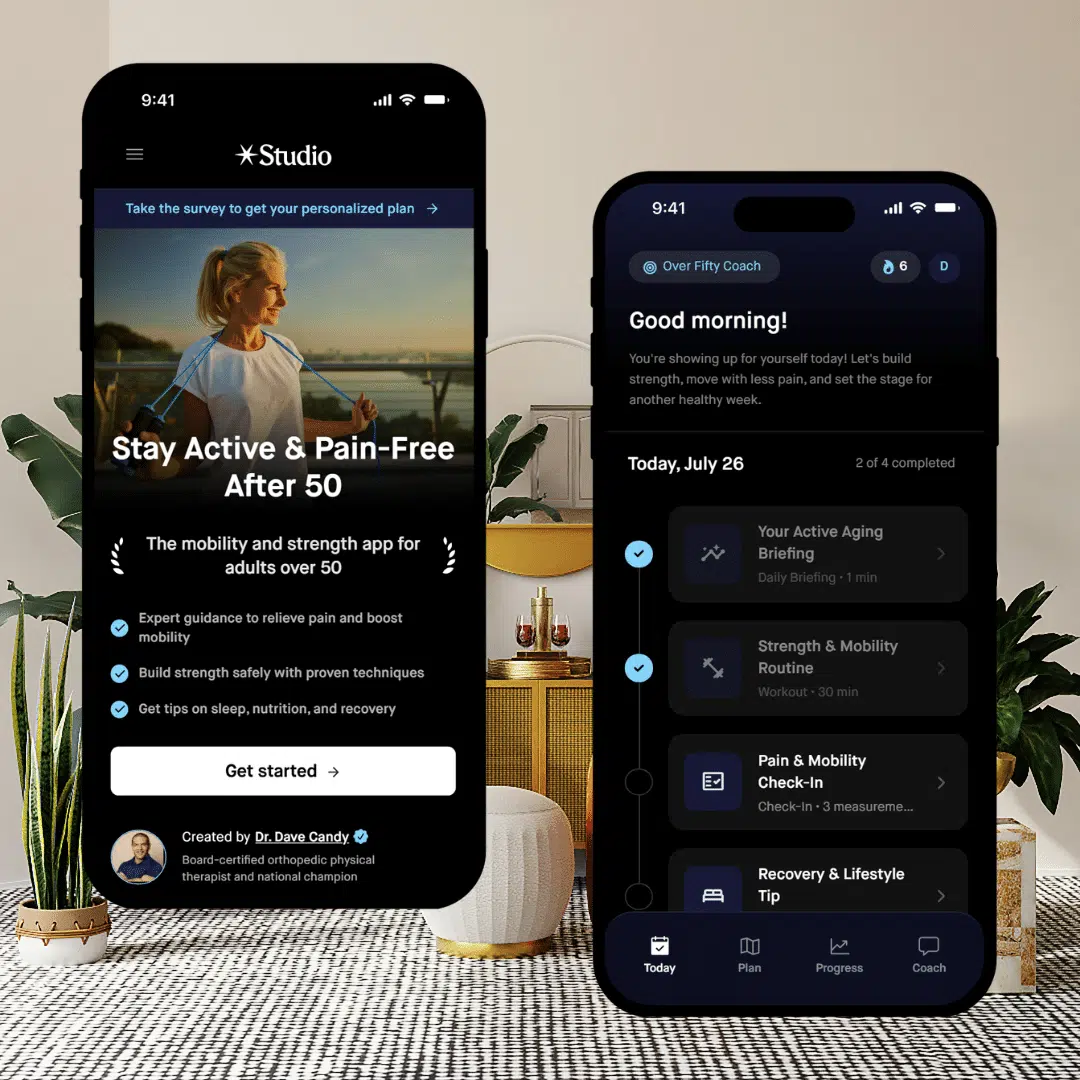
Need Help To Stay Strong and Mobile After 50?
Affiliate Disclosure: This post contains affiliate links to Amazon and/or other sites. While I only recommend products that I trust, as an Amazon Associate, I earn commission from qualifying purchases at no extra cost to you.
Medical Disclaimer: The content on this site is for educational and informational purposes only and is not intended as medical advice. Always consult with a qualified healthcare professional before beginning any new exercise program, diet, or supplement regimen, especially if you have pre-existing health conditions.