
Understanding Blood Flow and Circulation
Do your legs or feet often feel tired, cold, or heavy? These could be signs of poor circulation. Improving blood flow in your legs is vital for overall health, especially as you age. In this post, we’ll explore five effective tips to enhance circulation in your legs naturally.
1. Stay Active
The first and most important tip for improving circulation in your legs is to stay active. Engaging in regular exercise is crucial. While many people wonder about specific exercises for circulation, the reality is that almost any form of physical activity can help.
Aerobic exercises such as walking, biking, swimming, or using an elliptical machine elevate your heart rate, which is essential for blood circulation. Aim for a minimum of 150 minutes of moderate aerobic activity each week, which breaks down to about 30 minutes a day on five or more days.
Getting Started with Exercise
If you’re starting from a place of inactivity, begin with what you can manage. This could mean splitting your exercise into smaller segments, such as two 15-minute sessions or three 10-minute sessions. Gradually increase your activity until you reach the recommended 150 minutes per week.
2. Elevate Your Legs
When standing or sitting for long periods, blood can pool in your feet due to gravity. To combat this, it’s beneficial to elevate your legs whenever possible. Ideally, elevate your legs above the level of your heart. This helps facilitate blood flow back to your heart.
While your legs are elevated, consider performing calf exercises or ankle pumps to further enhance circulation. These actions can significantly help in promoting better blood flow.
3. Use Compression Socks
Compression socks are another effective tool for improving leg circulation. These socks come in various grades, typically ranging from 15 to 40 mmHg. For most individuals, a compression level of 15 to 30 mmHg is recommended. However, if you’re considering higher levels, consult with your healthcare provider first.
Wearing compression socks can prevent blood from pooling in your legs, especially during long periods of standing or sitting.
4. Maintain Proper Nutrition
Proper nutrition plays a critical role in blood circulation. Remember, blood is approximately 50% water by volume, so staying hydrated is essential. Dehydration can lead to lower blood pressure, which negatively impacts circulation.
Additionally, a diet high in sugars and saturated fats can contribute to arterial blockages. Instead, focus on consuming a balanced diet rich in fruits, vegetables, lean proteins, and healthy fats, particularly omega-3 fatty acids.
Foods to Incorporate
Include foods that promote good circulation such as leafy greens, berries, nuts, and fatty fish. These foods not only support overall health but also help keep your arteries clear and blood flowing smoothly.
5. Consider Supplementation
Sometimes, dietary changes alone may not be enough. Certain supplements can aid in improving blood circulation. Omega-3 fatty acids, niacin, and turmeric are known for their beneficial effects on circulation.
If you’re interested in exploring supplements, consider consulting with a healthcare professional to determine what might be right for you.
Conclusion: Take Action for Better Circulation
Improving blood flow and circulation in your legs is a vital aspect of maintaining overall health. By incorporating regular exercise, elevating your legs, utilizing compression socks, focusing on proper nutrition, and considering supplementation, you can significantly enhance your circulation.
Start implementing these tips today, and enjoy the benefits of improved circulation!
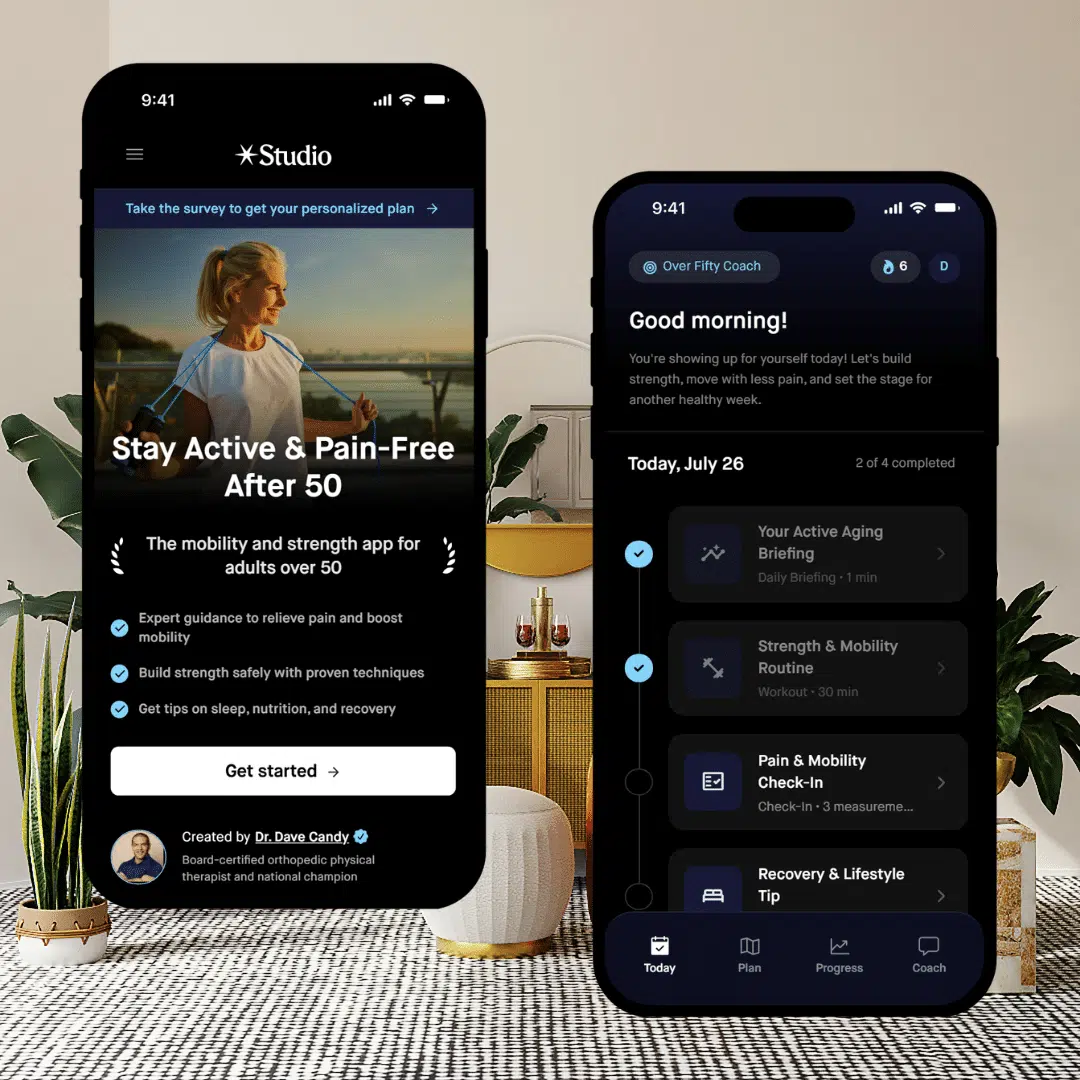
Need Help To Stay Strong and Mobile After 50?
Affiliate Disclosure: This post contains affiliate links to Amazon and/or other sites. While I only recommend products that I trust, as an Amazon Associate, I earn commission from qualifying purchases at no extra cost to you.
Medical Disclaimer: The content on this site is for educational and informational purposes only and is not intended as medical advice. Always consult with a qualified healthcare professional before beginning any new exercise program, diet, or supplement regimen, especially if you have pre-existing health conditions.