
Introduction
Experiencing tight, stiff muscles that cause tension in your neck can be uncomfortable and frustrating. Fortunately, there are effective methods to relieve that tension in just minutes. In this post, we will explore two simple techniques to release neck tension instantly and provide tips to prevent it from returning.
Technique 1: Tennis Ball Release
The first technique requires just two tennis balls and a sock. This method specifically targets the suboccipital muscles located at the base of your skull, which can contribute to neck tension and headaches.
How to Perform the Tennis Ball Release
To prepare, place the two tennis balls inside the sock and tie it off. Lie down on your back on a firm surface, positioning the tennis balls at the base of your skull, with one ball on each side of your spine. This setup allows for targeted pressure on the muscles while keeping the spine comfortable.
Once you’re in position, take a moment to locate any sore or tender spots. Aim to stay in this position for 2 to 5 minutes, using deep breathing to enhance relaxation. You can also perform gentle chin nod exercises to engage your deep neck flexor muscles, which often weaken due to neck tension.
Benefits of the Tennis Ball Technique
After completing this exercise, you should notice an increase in your neck’s range of motion, along with a reduction in tension and headaches. Regular practice can help maintain flexibility and comfort in your neck.
Technique 2: Trigger Point Release
The second technique focuses on relieving tension in the upper trapezius muscle, a common area where people hold stress. This method targets trigger points that form when one shoulder is lower than the other, leading to muscle tightness.
How to Find and Release Trigger Points
Begin by locating the upper trapezius muscle and gently strumming your fingers across it to find any knots or tender spots. Once you’ve found a particularly sore area, apply gentle pressure with your fingers while tilting your head towards the side of the muscle. This action shortens the muscle, helping to desensitize it.
Maintain this gentle pressure for 1 to 3 minutes, allowing the muscle to relax. You can think of it like applying pressure to an ice cube, allowing it to melt away. Afterward, repeat this process on any additional trigger points you discover.
Preventing Neck Tension
To keep neck tension from returning, focus on maintaining proper posture. Support your arms while sitting, and avoid holding your shoulders up for prolonged periods. Incorporating shoulder shrugging exercises can also help shorten the upper trapezius muscles, reducing the likelihood of tension buildup.
For instance, lift your arms overhead while shrugging your shoulders, and hold for a few seconds. This simple exercise can be done multiple times throughout the day.
Conclusion
By incorporating these two simple techniques into your routine, you can effectively relieve neck tension and improve your overall comfort. Remember to be mindful of your posture and engage in preventative exercises to keep tension from returning. Take the first step towards a more relaxed neck today!
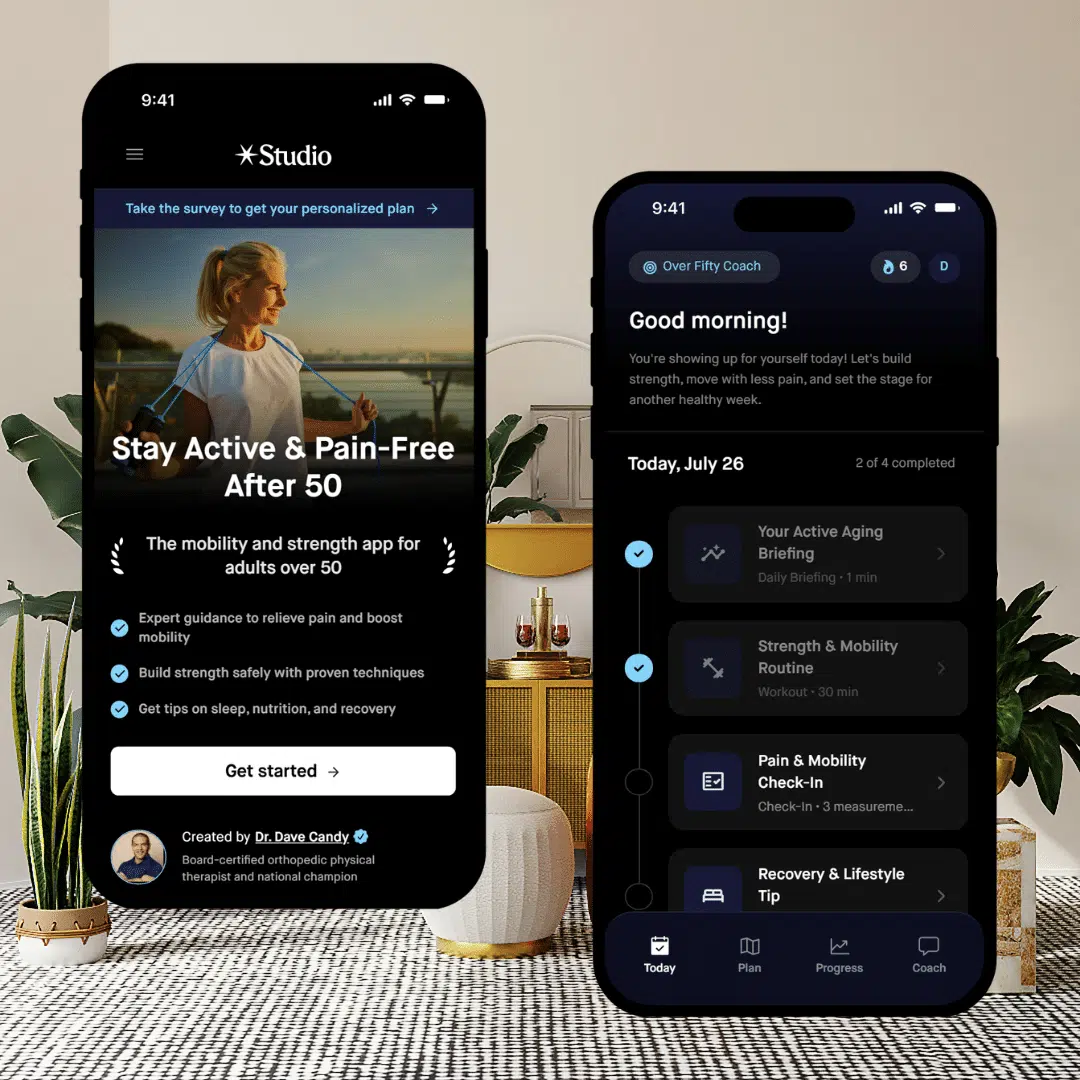
Need Help To Stay Strong and Mobile After 50?
Affiliate Disclosure: This post contains affiliate links to Amazon and/or other sites. While I only recommend products that I trust, as an Amazon Associate, I earn commission from qualifying purchases at no extra cost to you.
Medical Disclaimer: The content on this site is for educational and informational purposes only and is not intended as medical advice. Always consult with a qualified healthcare professional before beginning any new exercise program, diet, or supplement regimen, especially if you have pre-existing health conditions.