
Understanding Neck Pain and Its Causes
Neck pain is a common issue that many people experience, often leading to discomfort and reduced mobility. Understanding the location of your pain is crucial in finding the right exercises to relieve neck pain effectively. Neck pain can arise from various causes, including muscle strain, poor posture, or injury. It’s important to identify the specific region of discomfort, as this will help in selecting the most suitable exercises.
Identifying the Different Cervical Areas
Your neck consists of three primary regions: the upper cervical area (C1 and C2), the mid cervical area, and the lower cervical area. Each of these areas can experience pain, but the treatments often differ based on the specific location. The upper cervical spine is vital for rotation and side bending, while the mid and lower cervical areas often require different approaches for relief.
Exercises for the Upper Cervical Spine
To alleviate pain in the upper cervical region, consider the following exercises:
1. Gentle Side Bend and Rotation
Begin by tipping your head slightly to one side while rotating your head gently in the opposite direction. This stretch targets the upper cervical spine. For added relief, apply light pressure with your hand to enhance the stretch.
2. Pure Rotation
Stand or sit and rotate your head side to side, keeping your nose level and facing forward. This exercise helps maintain mobility in the C1 and C2 joints.
3. Sustained Natural Arthrokinematic Glide (SNAG)
Using a towel, position it around your neck, crossing your hands to pull gently across your cheekbone. This helps improve rotation in the upper cervical area.
4. Chin Tucks
Perform a slight chin nod without jutting your neck forward. This exercise strengthens the deep neck flexors and can be done throughout the day to maintain proper posture.
Exercises for the Lower Cervical Spine
For those experiencing discomfort in the lower cervical region, try these exercises:
1. Chin Tuck with Extension
Position a towel at the base of your neck, perform a chin tuck, and arch your back slightly over the towel. This encourages extension and relieves tension in the lower cervical spine.
2. Chair Support Exercise
Sit in a chair that supports your neck, place your hands behind your neck, and gently arch your chest while lifting your elbows. This isolates movement in the lower cervical area.
Addressing Mid Cervical Pain
Mid cervical pain often results from stiffness in the upper and lower cervical regions. To regain motion and stability, consider these exercises:
1. SNAG for Mid Cervical Mobility
Adjust the towel position lower on your neck and pull gently across the painful segment. This helps increase mobility where it’s needed.
2. Side Bending and Rotation
Tuck your chin slightly and turn your head gently towards each shoulder. This movement opens up the joints and alleviates pressure on pinched nerves.
Managing Muscle Tension and Stress
Many individuals carry tension in their neck and shoulders, leading to knots and discomfort. Instead of overstretching, focus on exercises that shorten the muscles:
1. Shoulder Shrugs
Raise your arms while performing a slight chin nod, then shrug your shoulders upwards. Hold for 10 seconds and repeat.
2. Trigger Point Release
Identify any knots in your muscles and gently apply pressure to release tension. This can greatly enhance comfort and mobility.
Conclusion: Taking the Next Step
By understanding the location of your neck pain and implementing targeted exercises, you can find relief and improve your overall neck health. Remember that if these exercises do not alleviate your discomfort, it’s essential to seek professional advice from a healthcare provider or physical therapist. Your neck health is important, and taking proactive steps can lead to significant improvements.
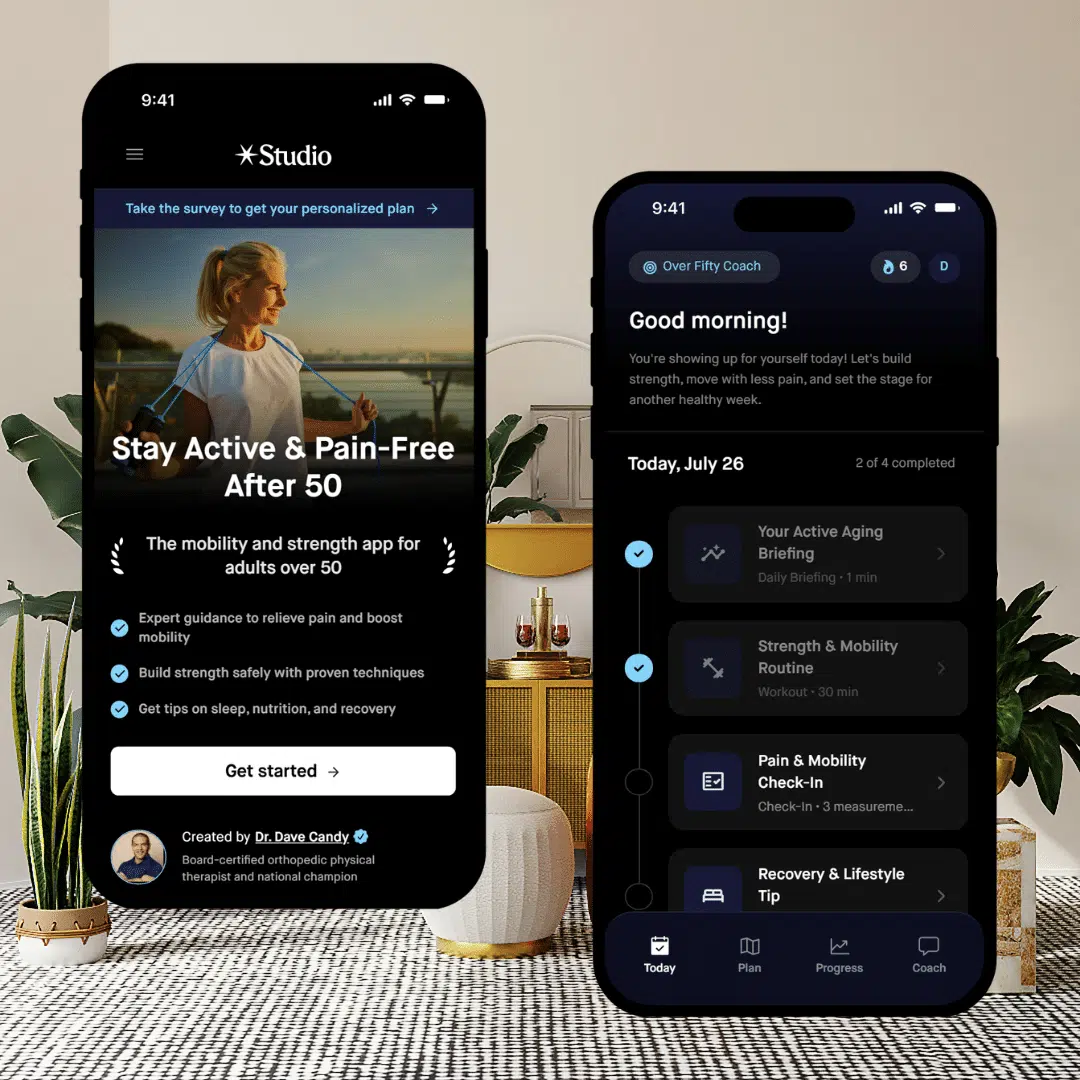
Need Help To Stay Strong and Mobile After 50?
Affiliate Disclosure: This post contains affiliate links to Amazon and/or other sites. While I only recommend products that I trust, as an Amazon Associate, I earn commission from qualifying purchases at no extra cost to you.
Medical Disclaimer: The content on this site is for educational and informational purposes only and is not intended as medical advice. Always consult with a qualified healthcare professional before beginning any new exercise program, diet, or supplement regimen, especially if you have pre-existing health conditions.