
Understanding Noisy Knees
If you experience crunching, cracking, or grinding sounds in your knees, you may wonder if it’s harmful and how to stop it. These sounds can be alarming, often likened to a bowl of Rice Krispies. In this post, we’ll explore the causes of these noises and provide actionable steps to address them.
What Causes Crunching and Grinding Sounds?
When you first notice these sounds, particularly in the morning or after sitting for a while, it’s typically due to air being released from your joint capsule. This is similar to the sound of cracking your knuckles and is generally harmless.
However, if you hear these noises consistently while squatting or going up and down stairs, it may indicate a problem with the patellofemoral joint, where the kneecap and thigh bone interact. This noise often results from two joint surfaces rubbing together incorrectly, leading to persistent sounds.
Is It Serious?
Most healthcare professionals agree that if there is no pain associated with the sounds, it’s usually not serious. However, it’s essential to recognize that these noises can indicate mechanical issues that may lead to problems down the line.
How to Address Crunching and Grinding in the Knees
To stop those crunchy sounds, focus on two main issues: global compression and improper tracking of the kneecap. Let’s break down these causes.
1. Global Compression
Global compression occurs when your quadriceps push the kneecap too tightly against the thigh bone. This compression can cause the grinding sound, particularly if there is any cartilage wear, like in chondromalacia patella or knee arthritis.
To alleviate this, you can:
- Focus on eccentric lengthening of your thigh muscles.
- Adjust your squatting technique to sit back more on your heels.
By keeping your weight on your heels, you engage your glutes more and your quadriceps less, reducing compression on the kneecap.
2. Improper Kneecap Tracking
Another common issue is when the kneecap tracks incorrectly, often moving too far to the outside. This misalignment can lead to grinding sounds along the outer edges of the groove.
To improve tracking:
- Turn your knees out slightly during exercises.
- Keep your weight on the outer sides of your feet.
Practicing these adjustments can help ensure smoother movement of the kneecap.
Exercises to Help Your Knees
Incorporating targeted exercises can greatly improve knee function and reduce noise. Here are some strategies:
Squatting Techniques
When squatting, sit back more and allow your hips to move backward, keeping your weight on your heels. This will help engage your glutes and reduce pressure on the kneecap.
Find a comfortable range of motion where you can squat without hearing crunching or cracking sounds, gradually increasing depth as your form improves.
Lunging Properly
In a lunge position, ensure your hip, knee, and toe are aligned. Adjust your stance to find the angle that minimizes noise, focusing on keeping your knee from collapsing inward.
The Downstairs Challenge
Descending stairs can exacerbate the crunching noise in your knees due to increased quadriceps activity. To minimize this:
- Try to maintain weight through your heels even when going downstairs.
- Practice eccentric control of your quadriceps to reduce compression on the kneecap.
As you build strength and control, aim to progress through movements without experiencing those annoying sounds.
Final Thoughts
While noisy knees can be concerning, understanding their causes and implementing the right techniques can significantly help. Focus on proper movement patterns, strengthen your leg muscles, and consult a healthcare professional if you experience pain. By taking these steps, you can improve your knee health and prevent further issues.
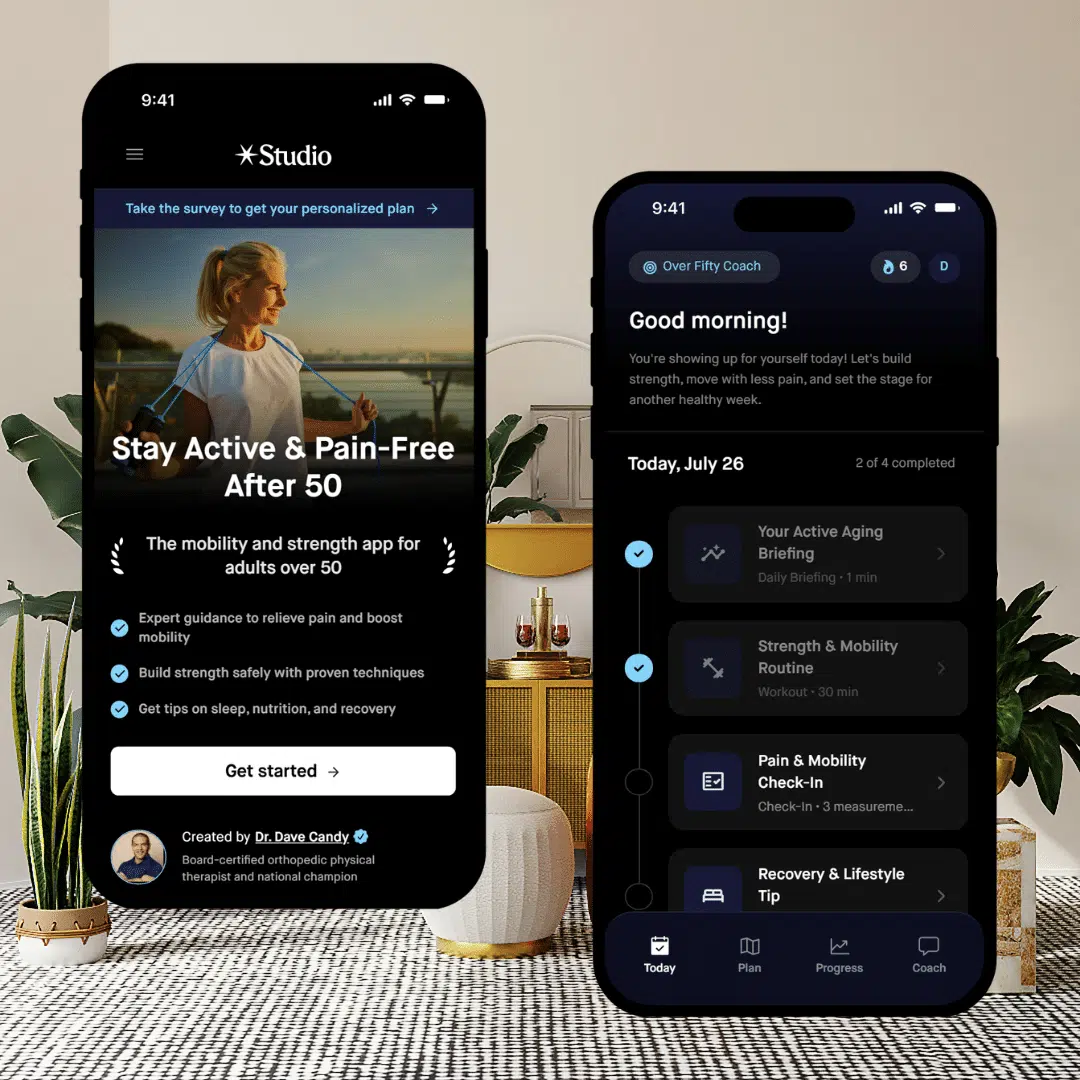
Need Help To Stay Strong and Mobile After 50?
Affiliate Disclosure: This post contains affiliate links to Amazon and/or other sites. While I only recommend products that I trust, as an Amazon Associate, I earn commission from qualifying purchases at no extra cost to you.
Medical Disclaimer: The content on this site is for educational and informational purposes only and is not intended as medical advice. Always consult with a qualified healthcare professional before beginning any new exercise program, diet, or supplement regimen, especially if you have pre-existing health conditions.