
Understanding Lower Back Pain When Bending
Do you experience lower back pain when bending to pick something up? If so, you’re not alone. Many people face discomfort during simple tasks like loading the dishwasher or leaning over the sink. However, your lower back is designed to bend, and with the right techniques, you can perform these actions more comfortably.
The Importance of Proper Bending Techniques
Many individuals are misled into believing that bending is detrimental to the lower back. While it’s true that certain bending techniques can cause pain, understanding how to bend correctly can alleviate discomfort. Issues often arise when excessive rounding or arching occurs during bending, which can put pressure on the spine and lead to pain.
How to Bend Comfortably
The key to bending without pain lies in maintaining a neutral spine. Instead of relying on your lower back muscles, you can use a technique called hip hinging. This method allows you to preserve your spine’s natural alignment while bending.
Practicing the Hip Hinge
To perform the hip hinge, follow these steps:
- Stand with your feet shoulder-width apart.
- Find a neutral position for your lower back—neither excessively rounded nor overly arched.
- Push your hips back while allowing your knees to bend slightly. Keep your spine in a neutral position throughout the movement.
- To return to standing, squeeze your glutes and drive your hips forward.
Using a dowel rod or broomstick on your back can help you maintain proper alignment. The goal is to keep the stick in contact with your back while you hinge at the hips.
Tips for Lifting Safely
Lifting is similar to bending but involves adding weight. Many people have heard the advice to “lift with your legs, not your back,” but this can be misunderstood. It’s crucial to keep your spine in a neutral position while bending your hips and knees to lift effectively.
Steps for Lifting Properly
Here’s how to lift safely:
- Approach the object you intend to lift, positioning it as close to your body as possible.
- Initiate the lift by pushing your hips back while bending your knees.
- Grab the object securely, ensuring it stays close to your center of gravity.
- Use your legs to lift the object, keeping your back neutral and minimizing the use of back muscles.
This method not only protects your lower back but also helps you lift heavier objects without pain.
Exercises to Strengthen Your Back
In addition to proper bending and lifting techniques, strengthening your back can further reduce the risk of pain. Consider incorporating exercises that focus on core stability and lower back strength into your routine.
Some effective exercises include:
- Bird-Dog: A great exercise that engages both the lower back and core muscles.
- Planks: Enhances core stability, supporting your spine.
- Bridges: Strengthens the glutes and lower back.
Regularly performing these exercises can build resilience in your back, helping you to bend and lift without discomfort.
Conclusion
If you’re struggling with lower back pain while bending, implementing these techniques can lead to quick relief. Remember, maintaining a neutral spine and using the hip hinge technique are essential for bending and lifting safely. Additionally, incorporating strength exercises will support your back in the long term.
Take the first step towards a pain-free life by practicing these methods today!
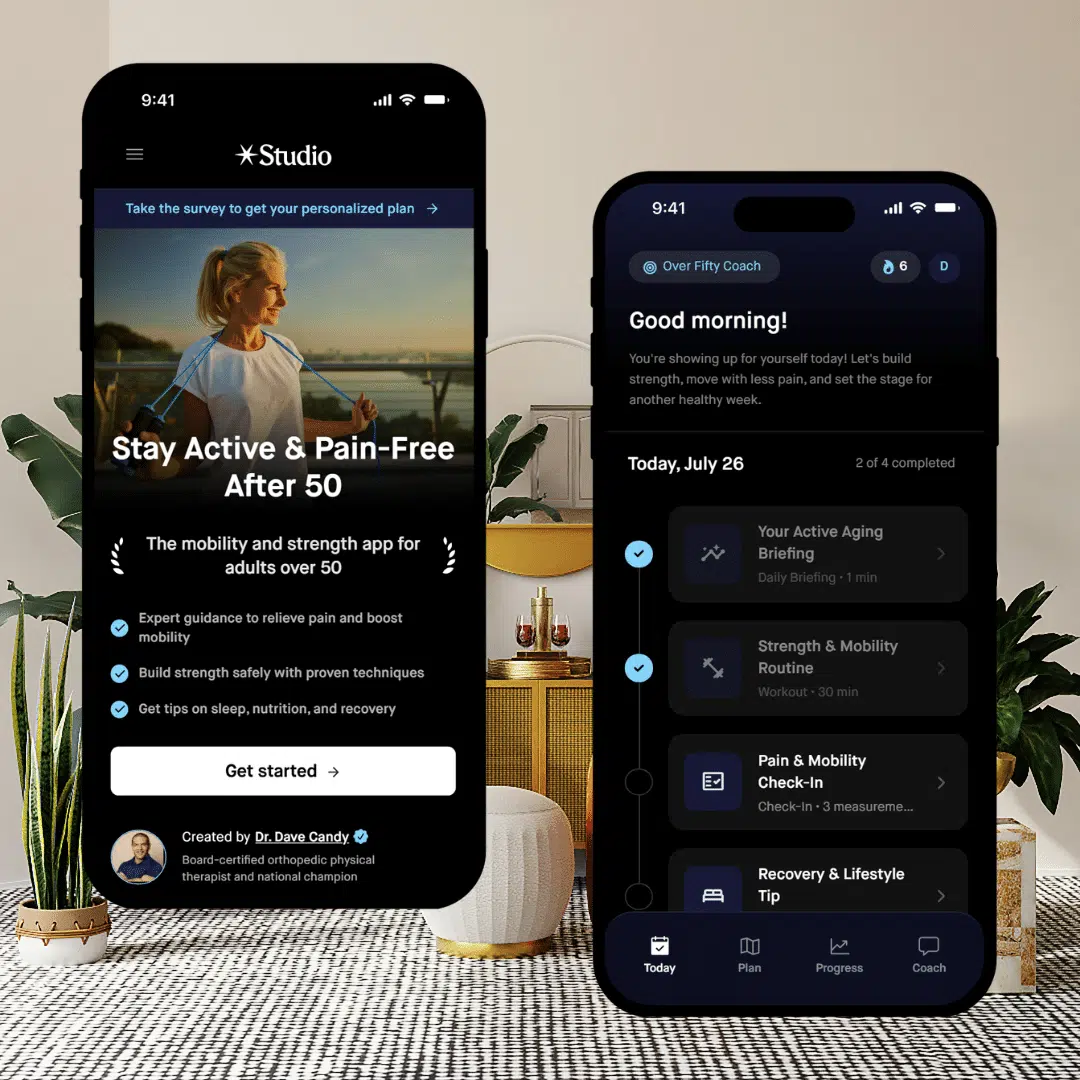
Need Help To Stay Strong and Mobile After 50?
Affiliate Disclosure: This post contains affiliate links to Amazon and/or other sites. While I only recommend products that I trust, as an Amazon Associate, I earn commission from qualifying purchases at no extra cost to you.
Medical Disclaimer: The content on this site is for educational and informational purposes only and is not intended as medical advice. Always consult with a qualified healthcare professional before beginning any new exercise program, diet, or supplement regimen, especially if you have pre-existing health conditions.