
Introduction to TRX Training
Are you looking for an effective full-body workout that is gentle on your joints? TRX training, also known as suspension training, is an excellent option for those who want to strengthen their muscles without putting undue stress on their joints. In this post, we will explore a simple yet comprehensive TRX workout you can do from the comfort of your home.
Getting Started with TRX
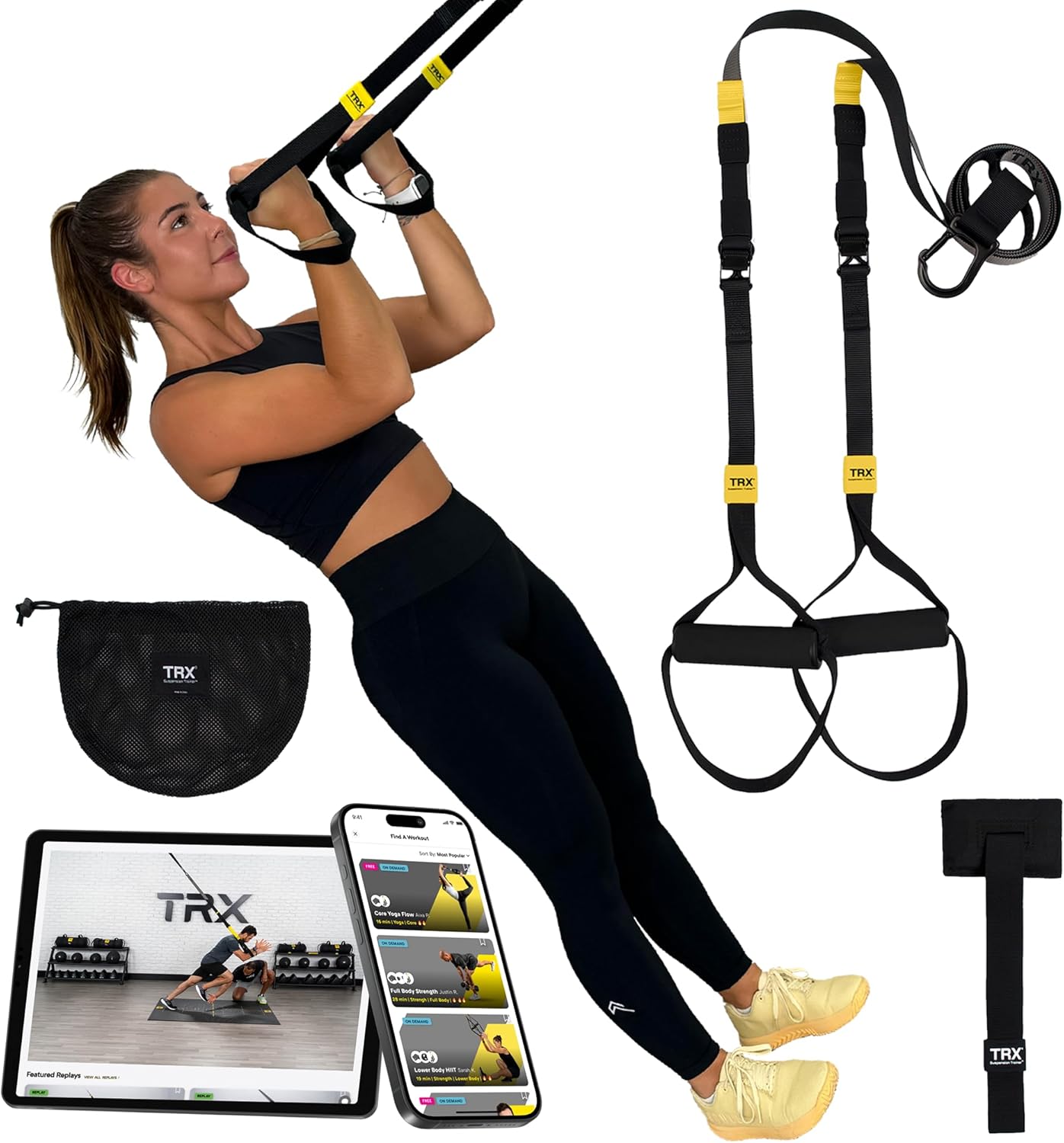
To begin, you will need a set of TRX straps. These can easily be suspended from a ceiling or a door frame. If you are unsure how to set them up, there are many resources available to guide you through the process. The beauty of TRX training is that you can perform a full-body workout without needing an extensive gym setup.
Lower Body Strengthening Exercises
We will kick off the workout with lower body exercises, starting with squats. Squats are fundamental for building leg strength, but individuals with knee or hip arthritis may find them challenging. Using TRX straps allows you to perform squats safely, as they provide support. Focus on sitting back with your weight on your heels, keeping your knees aligned with your toes, and use your arms for balance as needed.
Begin with 10 repetitions of squats and gradually work your way up to three sets of 10 as your strength improves.
Single Leg Squats for Stability
The next progression is the single leg squat, which targets the outer hip muscles as well as your quads and glutes. This exercise introduces a bit of instability, making it more challenging. Sit back with one leg behind you or in front of you, depending on whether you want to emphasize your glutes or quads. Remember to do both legs to ensure balanced strength development.
Upper Body Strengthening Exercises
After focusing on the lower body, let’s move to the upper body. The TRX chest press is a fantastic compound exercise that targets your chest, shoulders, and triceps. Adjust your body angle to increase or decrease the difficulty of the exercise. The more horizontal you are, the harder it becomes, while a more upright position makes it easier.
TRX Chest Fly for Isolation
Following the chest press, try the TRX chest fly. This isolates the chest muscles while minimizing tricep involvement. Maintain a consistent elbow angle as you move your arms back and forth. It’s an excellent way to strengthen your upper body without putting too much strain on your joints.
Rowing and Bicep Curls
Next, we’ll perform a TRX row. This exercise targets your back and biceps. Similar to the chest press, adjust your angle to change the difficulty. For bicep curls, focus on moving primarily at the elbows, which helps isolate the biceps effectively.
Core Strengthening Exercises
Finally, let’s engage the core with some TRX exercises. Start with a plank position, which will challenge your core stability. The TRX adds an element of instability, making this exercise more effective than a standard plank.
Next, move on to a modified bridge. With your feet in the loops of the TRX straps, lift your hips off the ground. This exercise helps strengthen your glutes and hamstrings while also adding instability for an extra challenge.
Finally, finish with a hamstring curl. This exercise specifically targets the muscles in the back of your legs. Remember to keep the movement controlled to avoid any strain.
Conclusion: Next Steps for Your TRX Journey
This TRX full-body workout is not only efficient but also joint-friendly, making it a perfect choice for individuals looking to maintain strength without the risk of injury. Incorporate these exercises into your weekly routine, aiming for 2-3 sessions per week. As you become more comfortable, gradually increase the number of sets and repetitions.
By focusing on strength training with TRX, you can enhance your overall fitness while being kind to your joints. Remember to listen to your body and adjust the difficulty of each exercise as needed.
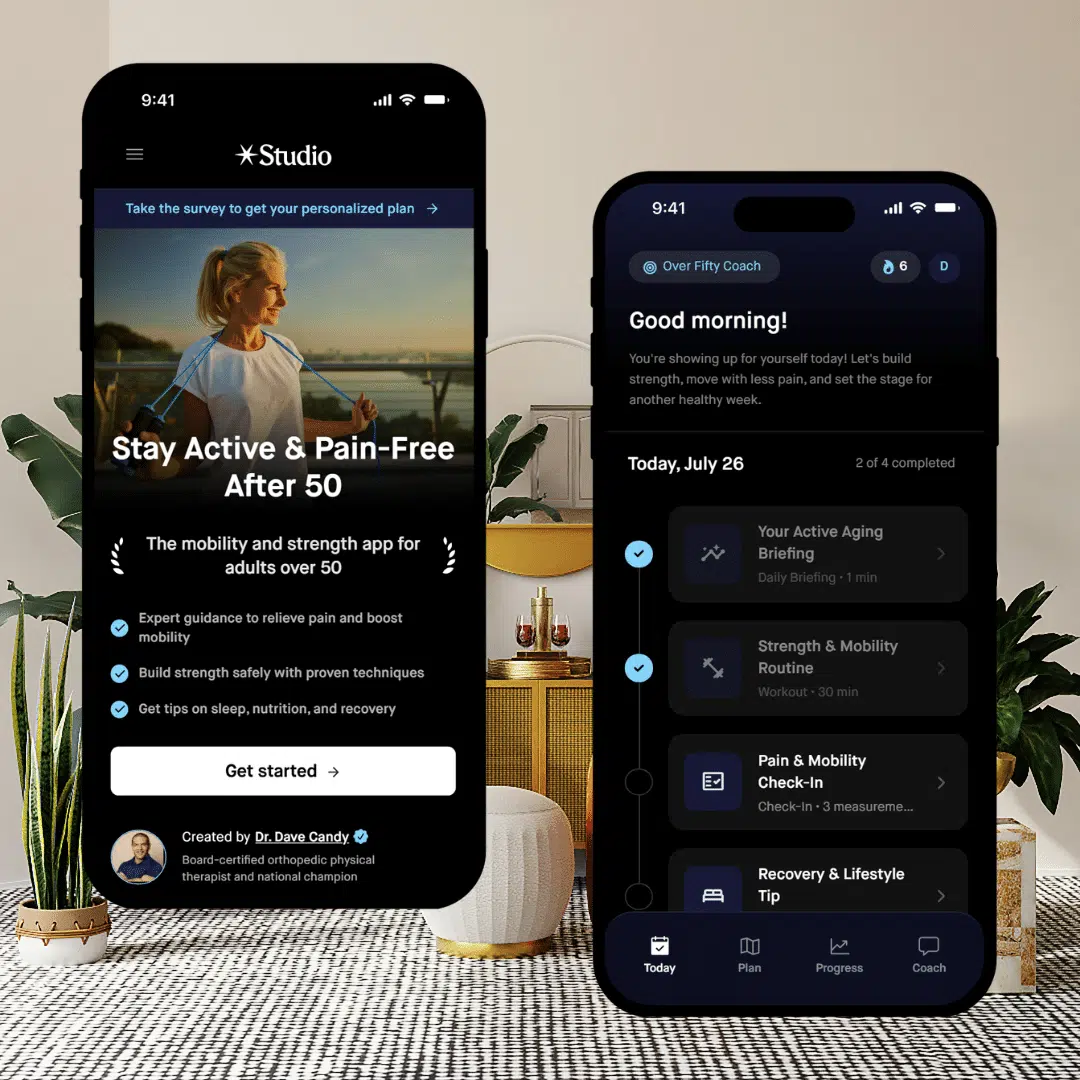
Need Help To Stay Strong and Mobile After 50?
Affiliate Disclosure: This post contains affiliate links to Amazon and/or other sites. While I only recommend products that I trust, as an Amazon Associate, I earn commission from qualifying purchases at no extra cost to you.
Medical Disclaimer: The content on this site is for educational and informational purposes only and is not intended as medical advice. Always consult with a qualified healthcare professional before beginning any new exercise program, diet, or supplement regimen, especially if you have pre-existing health conditions.