
Understanding Tight Hamstrings
Tight hamstrings can be a frustrating issue, especially when they hinder your ability to touch your toes. Understanding the function of your hamstrings is crucial for improving flexibility. These muscles connect from your sits bones to just below your knees, playing a vital role in bending your knees and extending your hips.
Why Do Hamstrings Get Tight?
Hamstrings can become tight for several reasons. They cross both the hip and knee joints, making them susceptible to stiffness. Additionally, when stretched too quickly or forcefully, a sensory organ known as the muscle spindle activates, causing the muscle to contract rather than relax. This response can prevent effective stretching and limit your flexibility.
Identifying Hamstring Tightness
To determine if you have tight hamstrings or if the issue lies with your sciatic nerve, you can perform the 90/90 test. In this test, you raise your hip and knee to 90 degrees and then attempt to straighten your knee as much as possible. Ideally, you should reach within 10 degrees of a vertical position. If you can achieve this, your hamstring flexibility is normal. However, if there is a limitation, it may be due to stiffness in the hamstrings or tension in the sciatic nerve.
Three Expert Tips to Boost Hamstring Flexibility
Now that you understand the basics, let’s explore three expert tips to quickly improve your hamstring flexibility.
1. Foam Rolling for Sciatic Nerve Mobility
Using a foam roller can help improve sciatic nerve mobility and reduce tension in your hamstrings. Begin by rolling from the top of your rib cage to the bottom. This technique can relieve tension in your thoracic spine and may provide immediate improvements in flexibility. Aim to foam roll for about a minute, focusing on areas that feel particularly tight.
2. Neuromuscular Techniques
Incorporate neuromuscular techniques to enhance flexibility. Start by bending down as far as you can, even if it requires bending your knees. Once in this position, try to straighten your knees while contracting your quadriceps. This technique utilizes reciprocal inhibition, allowing the hamstrings to relax while you strengthen the opposing muscle group.
3. Prolonged Stretching
To achieve lasting flexibility, you will need to stretch your hamstrings for an extended period. Instead of brief stretches, aim for 2 to 5 minutes per day, or even longer if possible. Position yourself to maintain a gentle stretch, using deep breathing to help relax your muscles. This prolonged stretching helps your body adapt by adding sarcomeres, the basic units of muscle length.
Conclusion: Take Action for Improved Flexibility
Improving hamstring flexibility requires consistent effort and understanding of how your muscles work. By implementing these tips—using foam rolling for nerve mobility, applying neuromuscular techniques, and committing to prolonged stretching—you can enhance your flexibility effectively. Remember, progress may take time, so be patient and persistent in your practice.
If you find these tips helpful, consider sharing your experience and progress. Flexibility is a journey, and each step brings you closer to your goals.
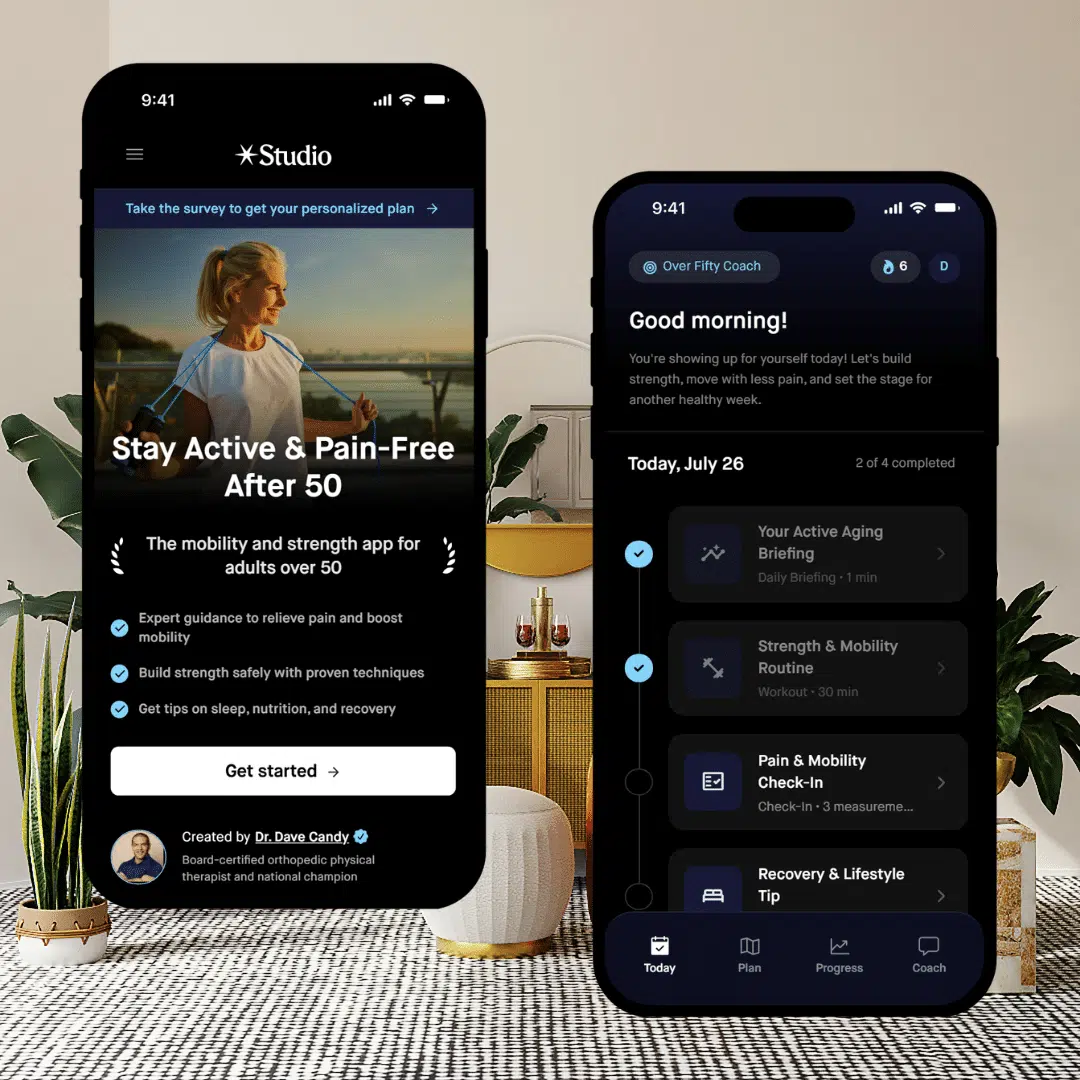
Need Help To Stay Strong and Mobile After 50?
Affiliate Disclosure: This post contains affiliate links to Amazon and/or other sites. While I only recommend products that I trust, as an Amazon Associate, I earn commission from qualifying purchases at no extra cost to you.
Medical Disclaimer: The content on this site is for educational and informational purposes only and is not intended as medical advice. Always consult with a qualified healthcare professional before beginning any new exercise program, diet, or supplement regimen, especially if you have pre-existing health conditions.