
Understanding a Twisted Pelvis
Do you experience back pain due to a twisted pelvis? Many individuals have an uneven pelvis, leading to discomfort and misalignment. This post will guide you through a corrective exercise designed to address a twisted pelvis and help prevent future issues.
What Causes a Twisted Pelvis?
A twisted pelvis can arise from various factors, with the most common being natural asymmetry in the human body. For instance, our organs are not symmetrical; the right side is often heavier due to larger organs such as the liver and diaphragm. This asymmetry can cause a slight tipping to one side, leading to muscle imbalances.
If you are right-handed, you may develop more muscle mass on your right side. This can create a pattern where your pelvis rotates to the right, causing compensations in your trunk and shoulders. Over time, these adaptations can lead to postural dysfunction and discomfort in your back, neck, hips, or shoulders.
The Impact of Postural Dysfunction
When your pelvis is twisted, several muscle groups, such as the quadratus lumborum and iliopsoas, may become imbalanced. The quadratus lumborum, which stabilizes the spine, may become short and stiff on one side, while its counterpart on the opposite side may become elongated and weak. This imbalance can contribute to persistent pain and dysfunction.
Corrective Exercise to Fix a Twisted Pelvis
To reverse the effects of a twisted pelvis, you can perform a simple corrective exercise:
- Stand with your feet staggered, placing your left leg slightly behind your right.
- Rotate your pelvis gently to the left while keeping your weight on the inside of your left foot.
- Extend your left hip slightly and rotate your trunk to the right.
- With your left hand reaching down towards your right knee, raise your right arm overhead.
- Take a deep breath in, focusing on expanding your right rib cage, and hold as you reach upward.
- Exhale and maintain the stretch, feeling the quadratus lumborum and iliopsoas stretch.
- Repeat this sequence for five deep breaths, maintaining your posture.
This exercise targets the muscles that contribute to pelvic rotation and helps restore balance to your posture.
Maintaining Proper Posture
Incorporating this exercise into your routine is essential, but it’s crucial to pay attention to your posture throughout the day. Simple habits can exacerbate pelvic twisting:
- Avoid leaning on one leg when standing.
- Be mindful of crossing your legs in one direction while sitting.
- Try to balance your weight on both sides when relaxing on a couch.
Seeking Professional Help
If you’re unsure about your posture or the specific dysfunctions you may have, consulting a physical therapist experienced in postural issues can be beneficial. They can provide personalized assessments and tailored exercises to help you achieve optimal alignment.
Other Causes of a Twisted Pelvis
Besides natural postural dysfunction, other factors may lead to a twisted pelvis, such as:
- Sacroiliac (SI) joint dysfunction
- Injuries or repetitive asymmetrical movements
- Changes during or after pregnancy
- Structural leg length discrepancies
Addressing these issues early on is crucial to prevent further complications.
Conclusion
By understanding the causes of a twisted pelvis and integrating the corrective exercise into your daily routine, you can alleviate pain and improve your posture. Remember, maintaining awareness of your posture and habits is key to preventing future discomfort. If necessary, seek professional guidance for a tailored approach to your specific needs.
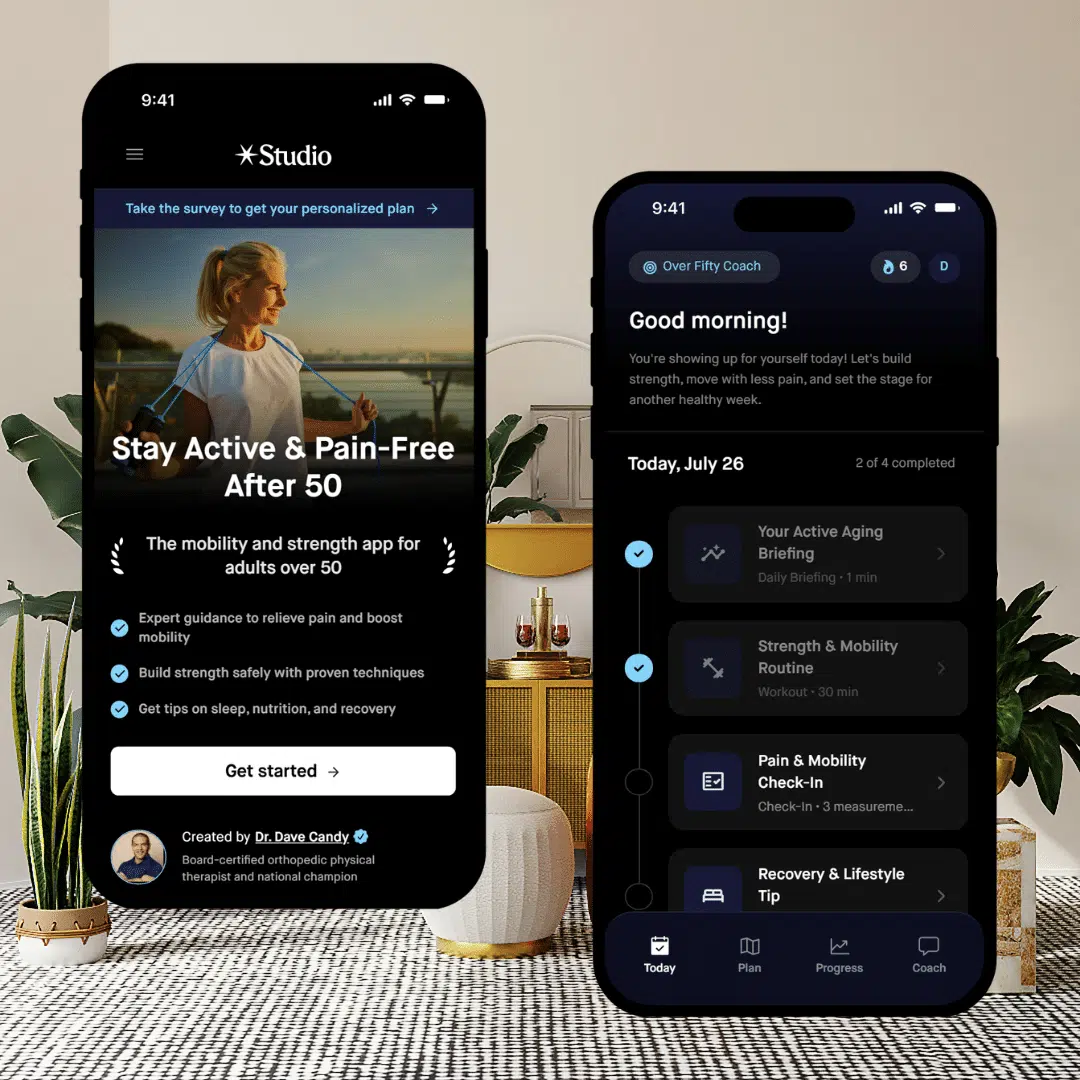
Need Help To Stay Strong and Mobile After 50?
Affiliate Disclosure: This post contains affiliate links to Amazon and/or other sites. While I only recommend products that I trust, as an Amazon Associate, I earn commission from qualifying purchases at no extra cost to you.
Medical Disclaimer: The content on this site is for educational and informational purposes only and is not intended as medical advice. Always consult with a qualified healthcare professional before beginning any new exercise program, diet, or supplement regimen, especially if you have pre-existing health conditions.