
Understanding Left Arm and Leg Pain
Experiencing pain in your left arm and leg can be alarming and confusing. This type of discomfort is often not straightforward and can stem from various sources. In this post, we will explore potential causes and offer actionable advice for managing your symptoms.
Possible Causes of Pain in the Left Arm and Leg
When someone experiences simultaneous pain in their left arm and leg, it can be indicative of underlying issues. While it’s crucial to consult a medical professional for any persistent pain, understanding the potential causes can help you address your concerns more effectively.
The Role of the Nervous System
Pain radiating from the left arm to the left leg could stem from a sensitization of the spinal cord. Normally, the nerves from your arm and those from your leg do not overlap. However, they travel closely together in the spinal cord, which can lead to a phenomenon known as hyperalgesia. This means that sensations that should be mild can become excruciating due to increased sensitivity in the nervous system.
Understanding Sensitization
Long-term pain can result in a condition where the nervous system becomes overly sensitive. This can cause pain signals to spread between different areas of the body, leading to more profound discomfort than what would typically be expected from the stimuli. This is often not a sign of a serious injury but rather a reaction to chronic pain.
Managing Your Symptoms
While it is essential to seek medical advice, there are several strategies you can employ to manage your symptoms effectively:
1. Cognitive Techniques
One effective way to manage pain is through cognitive reframing. This involves recognizing that the pain is not indicative of an ongoing physical issue. By telling yourself, “This sensation is not harmful,” you can help to desensitize your nervous system over time.
2. Gentle Touch and Reassurance
Applying light touch to areas that are particularly painful can help. For instance, gently rubbing your arm or leg with a soft cloth can provide sensory input that reassures your brain that no harm is occurring, thus reducing the pain response.
3. Stay Active
Incorporating gentle movements and stretching can help maintain flexibility and reduce stiffness. Activities like walking, swimming, or yoga can be beneficial. Always consult with a healthcare provider before starting a new exercise regime, especially if you have chronic pain.
When to Seek Medical Attention
It’s vital to consult a healthcare professional if you experience:
- Sudden onset of severe pain
- Weakness in your arm or leg
- Loss of bladder or bowel control
- Persistent pain that does not improve with self-care
These symptoms could indicate a more serious condition that requires immediate attention.
Conclusion
Pain in the left arm and leg can be distressing, but understanding its underlying causes can empower you to seek appropriate care. By employing cognitive techniques and managing your symptoms through gentle touch and movement, you can take steps towards feeling better. Remember, always consult with a healthcare professional for personalized advice.
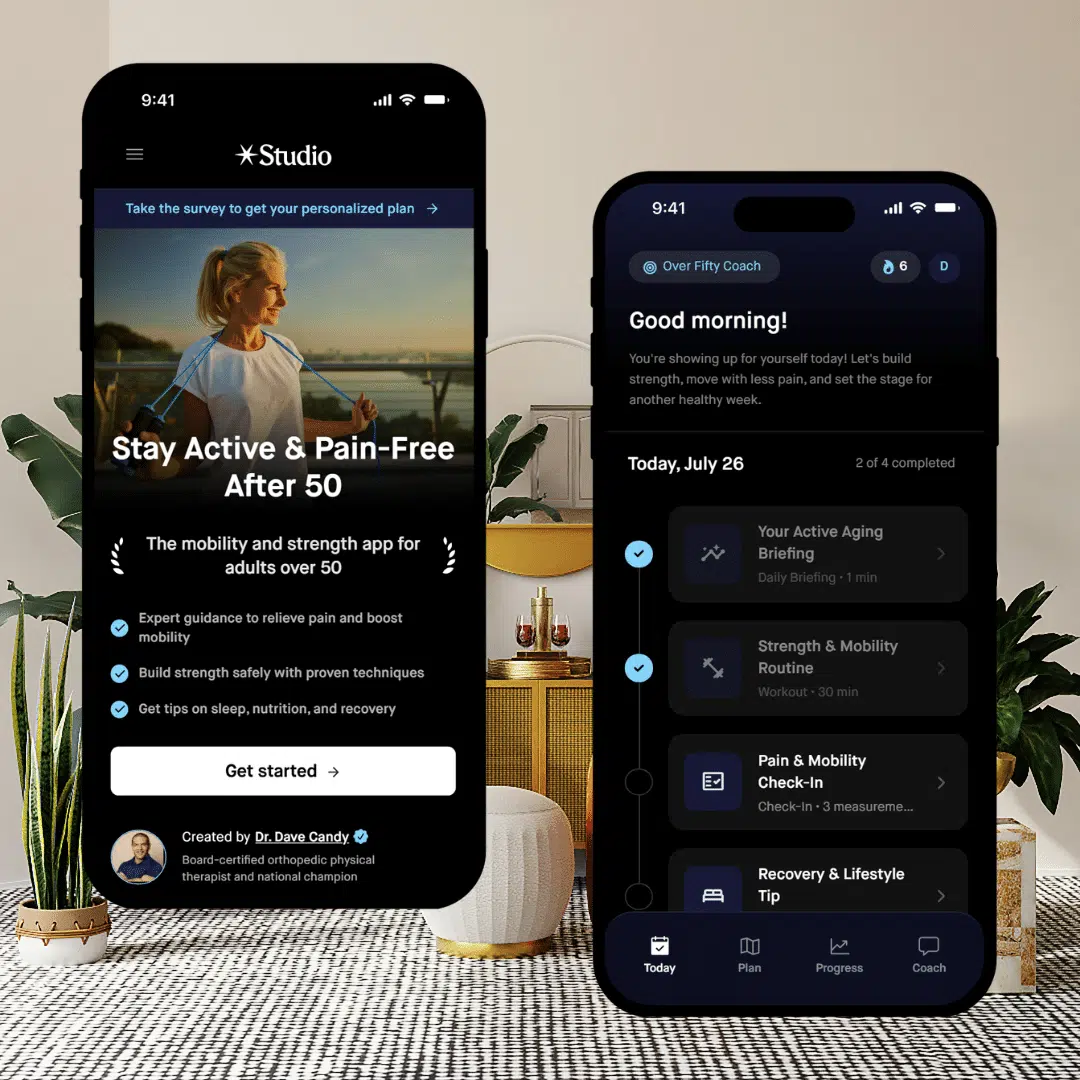
Need Help To Stay Strong and Mobile After 50?
Affiliate Disclosure: This post contains affiliate links to Amazon and/or other sites. While I only recommend products that I trust, as an Amazon Associate, I earn commission from qualifying purchases at no extra cost to you.
Medical Disclaimer: The content on this site is for educational and informational purposes only and is not intended as medical advice. Always consult with a qualified healthcare professional before beginning any new exercise program, diet, or supplement regimen, especially if you have pre-existing health conditions.