
Introduction to Upper Body Strength After 50
As we age, maintaining upper body strength becomes increasingly important. Research shows that individuals over 50 can lose an average of 3 to 8% of muscle mass every decade after 30. However, with the right strategies, you can maintain or even build strength in your upper body. Here are five essential tips that everyone over 50 should know to enhance upper body strength.
1. Start from Your Neck
Your neck plays a crucial role in upper body strength. All upper body muscles, including those in your shoulders and arms, are essentially suspended from your neck. Degenerative disc disease is common as we age, affecting roughly 80% of people over 50. A simple yet effective tip to improve your neck strength is to perform a slight chin tuck during exercises. This technique helps open up the spaces where nerves exit the neck, providing a solid base for upper body movements.
Why Neck Health Matters
Maintaining a healthy neck can prevent subclinical muscle loss and ensure that your upper body functions optimally. Incorporating neck exercises into your routine can enhance your overall strength.
2. Strengthen the Serratus Anterior
The serratus anterior is a vital muscle that stabilizes your shoulder blade. If you want to enhance your upper body strength, it’s essential to focus on this muscle. Start with wall slides: face a wall, place your arms against it, and slide them upward while maintaining pressure. Hold for 10 seconds and repeat ten times. As you progress, consider adding resistance bands or weights.
Effective Exercises for the Serratus Anterior
Incorporate push-ups with a plus at the end range to further target this muscle. Strengthening the serratus anterior is key to achieving better upper body strength and stability.
3. Lead with Your Elbows
When performing upper body exercises, it’s crucial to focus on your elbows rather than just moving weights with your hands. For pressing and pulling exercises, concentrate on leading with your elbows. This technique engages the appropriate muscles in your chest and back more effectively, promoting better strength development.
How to Implement This Technique
For instance, during a row or lat pull-down, focus on pulling your elbow towards your side. In bench or overhead presses, prioritize pushing your elbows upwards or outwards. This shift in focus can significantly enhance your upper body workout.
4. Work the Muscle, Not the Weight
It’s easy to get caught up in lifting heavier weights, but the real goal is to work the muscle. Instead of merely moving the weight from point A to point B, concentrate on contracting the target muscle. For example, during bicep curls, ensure you are fully engaging your biceps instead of just lifting the weight.
Mind-Muscle Connection
This approach improves not only strength but also muscle tone, making your workouts more effective. Always strive to feel the muscle working during each exercise.
5. Training Frequency and Structure
To build or maintain upper body strength, consistency is key. Aim to train at least two to three times per week. This regular stimulus prevents your muscles from returning to baseline after each strength-building session. For strength training, focus on heavier weights with lower reps (six or fewer) for absolute strength, and allow adequate rest between sets.
Understanding Sets and Reps
For hypertrophy, moderate weights with 8-12 reps are effective, while endurance training requires lighter weights with higher reps. Tailor your training regimen to your specific goals, ensuring you are pushing your body appropriately for optimal results.
Conclusion
Maintaining upper body strength after age 50 is attainable with the right strategies. By focusing on your neck, strengthening the serratus anterior, leading with your elbows, emphasizing muscle engagement, and training consistently, you can combat age-related muscle loss effectively. Remember, a well-structured routine will not only enhance your strength but also improve your overall well-being. Start implementing these tips today for a stronger, healthier upper body!
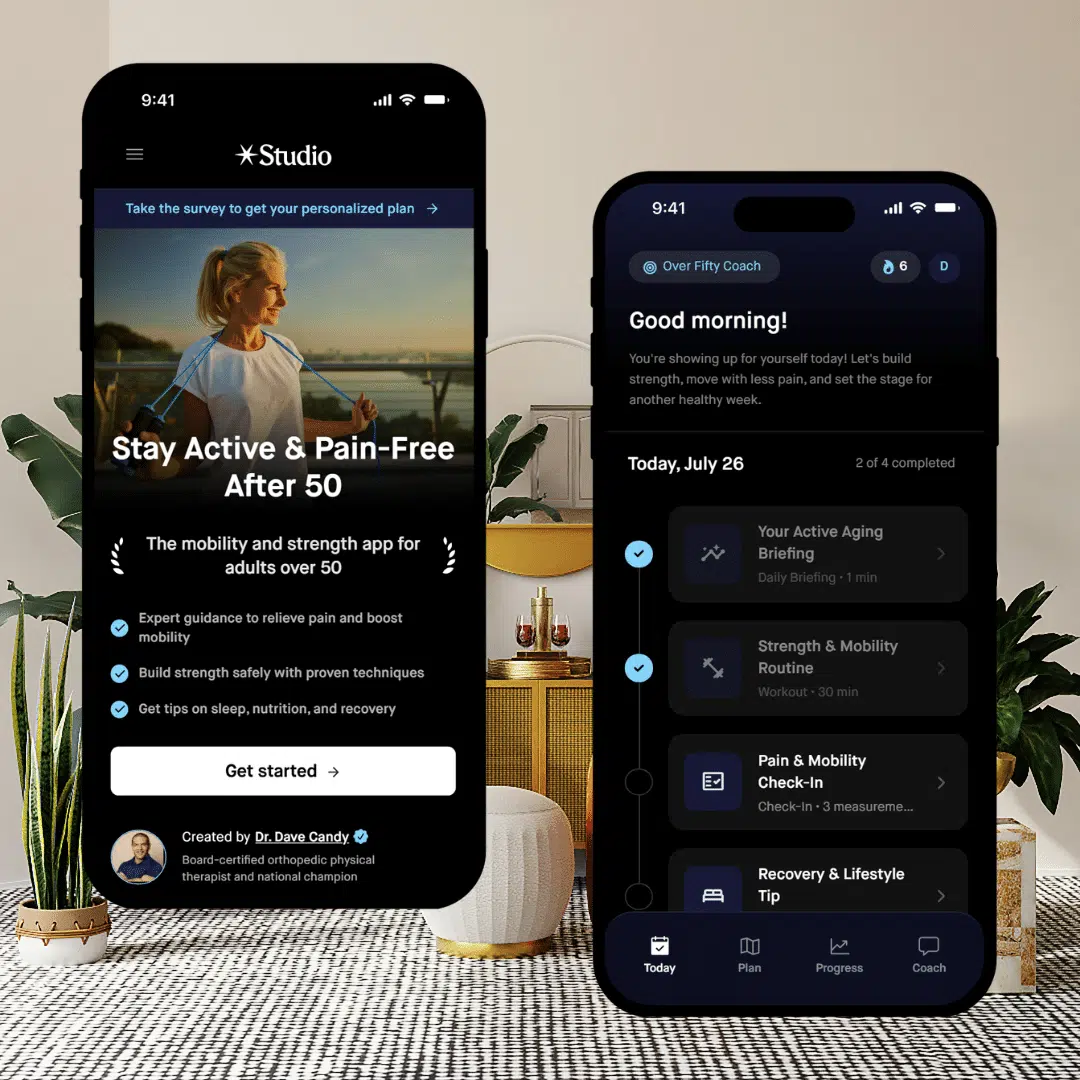
Need Help To Stay Strong and Mobile After 50?
Affiliate Disclosure: This post contains affiliate links to Amazon and/or other sites. While I only recommend products that I trust, as an Amazon Associate, I earn commission from qualifying purchases at no extra cost to you.
Medical Disclaimer: The content on this site is for educational and informational purposes only and is not intended as medical advice. Always consult with a qualified healthcare professional before beginning any new exercise program, diet, or supplement regimen, especially if you have pre-existing health conditions.