
Understanding Bunion Pain
Bunion pain can be a significant issue, especially for those who spend long hours on their feet. A bunion, characterized by a bony bump at the base of the big toe, can lead to discomfort and difficulty in finding suitable footwear. If you’re searching for effective ways to treat bunion pain in your big toe without surgery, you’re not alone. Many individuals are looking for non-invasive solutions to manage this condition.
What Causes Bunion Pain?
Bunions develop due to a combination of genetic and environmental factors. The primary cause is often wearing narrow shoes that squeeze the toes together, leading to abnormal tissue stress. Over time, your body compensates by laying down extra bone, resulting in the bunion deformity. While surgery can correct the deformity, outcomes are often mixed, with reports of dissatisfaction ranging from 10% to 50% among patients.
Why Avoid Surgery?
If bunions are not causing significant pain or restricting your daily activities, it may be wise to avoid surgery. Surgical risks, including infection, persistent pain, and the possibility of needing a second surgery, often outweigh the benefits for cosmetic corrections. Instead, consider implementing some effective non-surgical strategies to alleviate your bunion pain.
1. Switch to Wider Shoes
One of the simplest yet most effective changes you can make is to switch to wider shoes. Tight, pointed footwear is a common culprit in bunion development and exacerbation. Look for shoes that offer a wider toe box and a flat or slight heel to reduce pressure on your bunion. Shoes designed for comfort, such as those from brands like Altra, can significantly improve your overall foot health.
2. Practice Toe Exercises
Regularly performing toe exercises can help improve alignment and reduce pain. Start by gently manipulating your big toe. Here’s a simple exercise: Grab your foot and push the metatarsal bone inward while pulling the big toe outward. Hold this position for 30 seconds. This exercise can help increase mobility and alleviate discomfort.
Strengthening the Abductor Hallucis Muscle
The abductor hallucis muscle plays a crucial role in stabilizing the big toe. To strengthen this muscle, try scrunching your toes while standing. This action helps activate the muscle and supports better alignment, which may relieve some of the pressure from the bunion.
3. Utilize Toe Spreaders
Toe spreaders are an excellent tool for bunion relief. These devices gently separate your toes, helping to restore their natural alignment. Use them while relaxing at home for short periods. Be cautious not to overuse them, as this can lead to discomfort. Monitor your feet for any signs of irritation, especially if your toes have been accustomed to tight footwear.
4. Consider Ultra Running Shoes
Investing in ultra running shoes, which are designed with a wider toe box, can make a world of difference. These shoes allow your foot to maintain its natural shape and prevent further aggravation of bunion pain. Altra is known for its foot-shaped designs that cater to individuals with bunions, providing comfort and support without compromising on style.
5. Maintain Proper Foot Alignment
As you walk, aim to keep your arch domed and your big toe abducted. This alignment provides additional support and prevents over-pronation, which can worsen bunion pain. Regularly practicing the exercises mentioned above can assist in maintaining this alignment.
Next Steps for Managing Bunion Pain
By implementing these five strategies, you can effectively manage your bunion pain without resorting to surgery. Transitioning to wider shoes, performing targeted exercises, utilizing toe spreaders, and maintaining proper foot alignment are all actionable steps you can take. If your bunion pain persists or worsens, consider consulting with a healthcare professional for personalized advice. Remember, taking proactive steps today can lead to a more comfortable tomorrow.
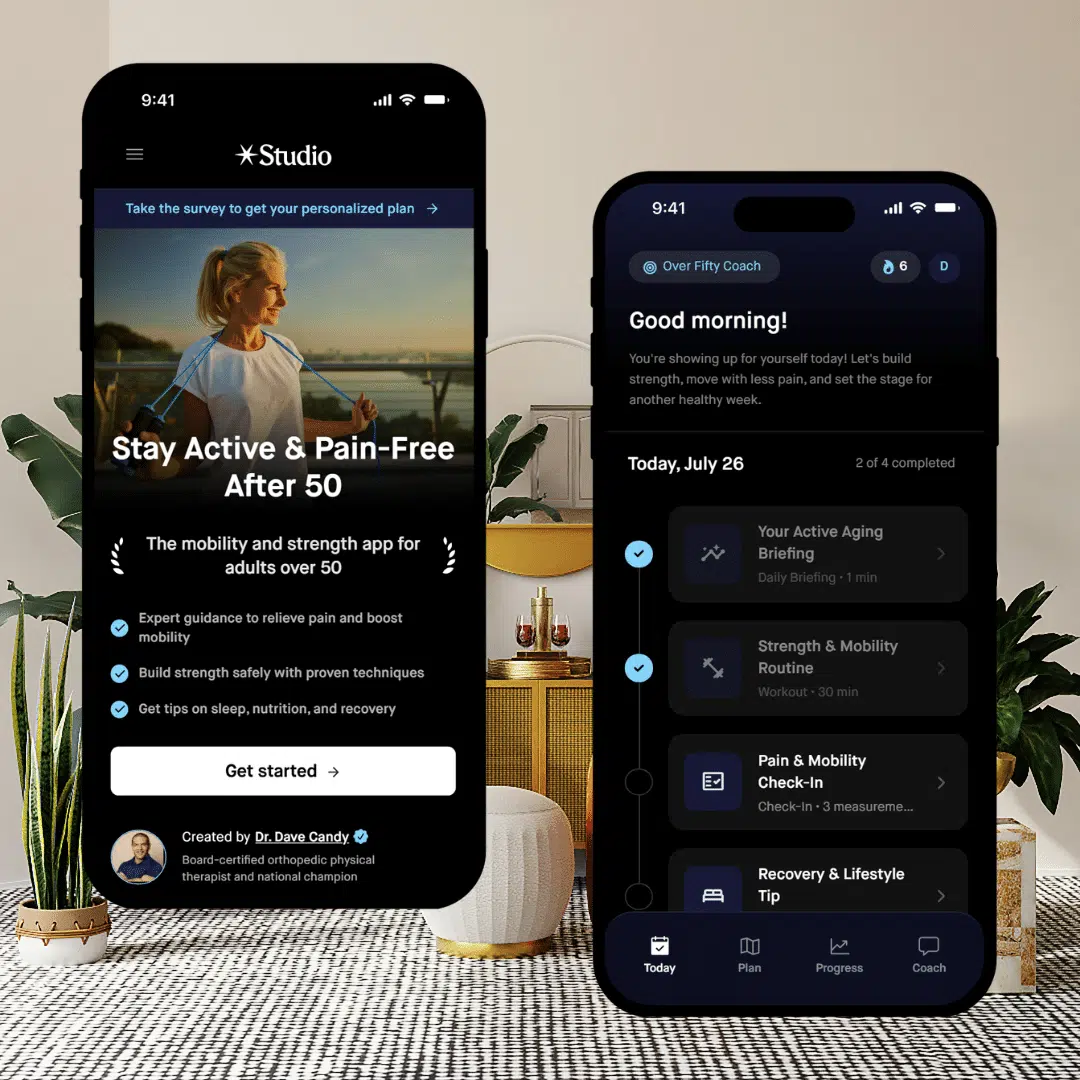
Need Help To Stay Strong and Mobile After 50?
Affiliate Disclosure: This post contains affiliate links to Amazon and/or other sites. While I only recommend products that I trust, as an Amazon Associate, I earn commission from qualifying purchases at no extra cost to you.
Medical Disclaimer: The content on this site is for educational and informational purposes only and is not intended as medical advice. Always consult with a qualified healthcare professional before beginning any new exercise program, diet, or supplement regimen, especially if you have pre-existing health conditions.