
Understanding Spinal Stenosis
Spinal stenosis can significantly impact your daily life, making standing or walking challenging. Many individuals suffering from this condition often feel that surgery is their only option after trying physical therapy or medications. However, the truth is that most people with spinal stenosis do not need surgical intervention. In this post, we will explore natural methods to relieve spinal stenosis, what may worsen your symptoms, and when surgery might be necessary.
What is Spinal Stenosis?
Spinal stenosis refers to the narrowing of the spine, which can occur in the central canal or the openings through which nerve roots exit. This narrowing often results from a loss of disc height or arthritic changes leading to bone spurs. Importantly, spinal stenosis does not heal as it is not an injury but rather a space issue within your spine.
Is There a Cure?
Unfortunately, there is no cure for spinal stenosis. However, surgery is not the only avenue for relief. Many patients have severe spinal stenosis on their MRIs yet experience minimal pain, while others with moderate stenosis may suffer greatly. This variability underscores the importance of focusing on how you feel rather than solely on imaging results.
When is Surgery Necessary?
While most cases do not require surgery, there are exceptions. Surgery may be necessary if you experience:
- Loss of bowel or bladder control, indicating a possible cauda equina syndrome.
- Progressive muscle weakness, where you notice a significant decline in leg strength over time.
In contrast, severe pain alone is not a sufficient reason for surgical intervention.
Step 1: Immediate Relief Techniques
When experiencing pain, lumbar flexion exercises can help alleviate discomfort by opening up the spaces in the spinal canal. Here are a few effective techniques:
- Forward Bending from a Sitting Position: Lean forward, placing your hands on the floor or your ankles for support.
- Standing Forward Bends: Bend forward while standing, which can feel relieving for many individuals.
- Deep Squats: If your knees allow, a deep squat can help flex your lower back for relief.
- Knee-to-Chest Exercise: Lying on your back, pull one knee up to your chest, keeping the other leg bent.
Try these exercises whenever you feel pain, holding each position for about one minute.
Step 2: Preventing Future Pain
To minimize the occurrence of pain, focus on preventing the underlying issues contributing to spinal stenosis:
- Hip Flexor Stretches: Stand tall, roll your spine under, and drive your hips forward to stretch the hip flexors.
- Thoracic Extension: Sit or stand against a wall with your arms up and rotate your arms backward to extend your upper back.
These stretches can help improve your posture and reduce the need to lean forward while walking.
Step 3: Improving Overall Nervous System Health
To enhance your overall health and alleviate symptoms, consider incorporating aerobic exercises and managing your diet. Here are some suggestions:
- Aerobic Activities: Walking, cycling, or using a treadmill can improve blood flow and oxygen to your nerves. Leaning forward on a treadmill or using a rollator walker can provide lumbar flexion, relieving spinal pressure.
- Diet Management: Maintain healthy blood sugar levels to support nerve health. Poor diet can exacerbate symptoms.
Start with short walks, gradually increasing your duration while incorporating breaks as needed.
What to Avoid
It’s crucial to avoid certain movements that could exacerbate your symptoms:
- Backward bending exercises, which narrow the spine, may worsen spinal stenosis.
- Avoid aggressive twisting motions, as these can lead to increased discomfort.
Conclusion: Taking the Next Step
While spinal stenosis is a manageable condition, understanding how to relieve pain without surgery is crucial. Implementing immediate relief techniques, preventing future pain, and improving overall nervous system health can significantly enhance your quality of life. If symptoms persist or worsen, be sure to consult with a healthcare professional for personalized advice.
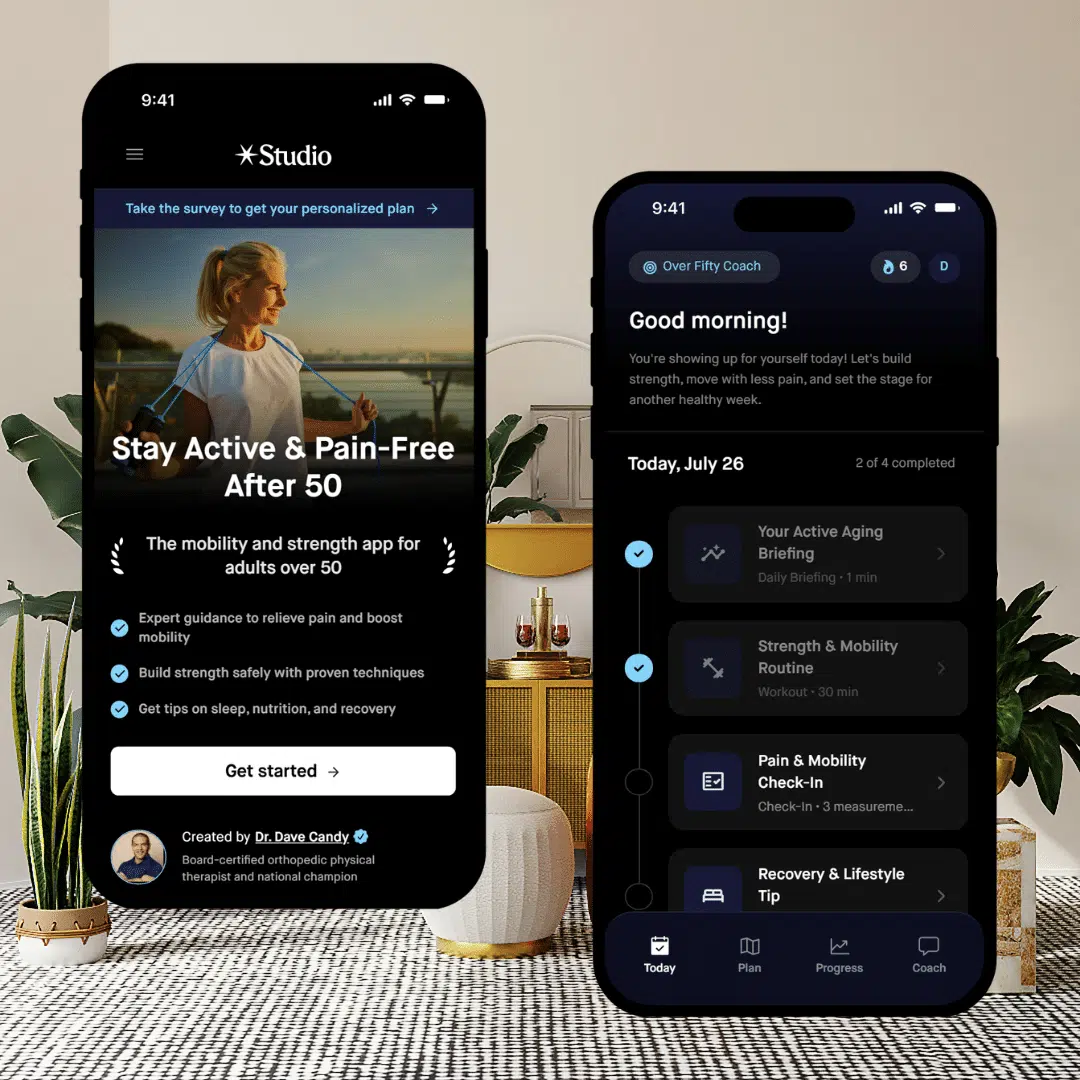
Need Help To Stay Strong and Mobile After 50?
Affiliate Disclosure: This post contains affiliate links to Amazon and/or other sites. While I only recommend products that I trust, as an Amazon Associate, I earn commission from qualifying purchases at no extra cost to you.
Medical Disclaimer: The content on this site is for educational and informational purposes only and is not intended as medical advice. Always consult with a qualified healthcare professional before beginning any new exercise program, diet, or supplement regimen, especially if you have pre-existing health conditions.