
Understanding Spinal Decompression Therapy
Spinal decompression therapy is a non-surgical treatment designed to relieve back pain and sciatica. This therapy often involves traction, where a practitioner stretches the spine to alleviate pressure on the discs. However, research indicates that the effectiveness of this therapy may not be as significant as advertised.
What is Spinal Decompression Therapy?
At its core, spinal decompression therapy aims to relieve pressure from the vertebral discs and spinal nerves. While this sounds promising, the reality is that the actual benefits may be limited. Many patients joke about the traction tables used in clinics, comparing them to medieval torture devices. These tables are designed to stretch the spine, but research suggests that the long-term benefits may not justify the costs.
Non-Surgical vs. Surgical Decompression
Surgical spinal decompression is a more invasive procedure, often required for severe cases involving radiating pain, numbness, or loss of bowel and bladder control. This involves removing bone or tissue to relieve pressure on the spinal cord. In contrast, non-surgical spinal decompression utilizes traction therapy, which is less invasive but may offer only short-term relief.
The Limitations of Spinal Decompression Therapy
While spinal decompression can provide temporary relief, the lasting effects are questionable. A study published in the Journal of Chiropractic and Osteopathy suggests limited evidence supporting the routine use of non-surgical decompression therapy. Instead, alternatives that are well-researched may be more effective.
Understanding Gravity’s Role
Gravity is a constant force that compresses the spine throughout the day, leading to discomfort. When you lie down or stretch your spine, you relieve some of this pressure. However, as soon as you stand up, gravity resumes its compressive effect. This often leads to a rebound effect, where symptoms may worsen after treatment.
Effective Home Exercises for Spinal Decompression
If you’re looking for cost-effective ways to relieve back pain at home, consider these simple exercises:
1. Desk Stretch
One effective method is to lean over a desk or hold onto a doorknob. This allows you to stretch your spine and relieve pressure from the discs. Simply bend over while holding onto a stationary object, letting gravity assist in decompressing your spine.
2. Door Frame Hang
Another beneficial exercise involves hanging from a door frame. Grasp the top of the frame and let your body weight stretch your spine. This exercise can be done at any time and requires no additional equipment.
3. Using a Decompression Brace
If you prefer a portable solution, consider using a decompression brace like the DDS 300. This device wraps around your waist and can be inflated to create a gentle stretching effect while you go about your daily activities.

4. Using an Inversion Table
Another way to do spinal decompression at home is to use an inversion table. Inversion tables allow you to hang upside down by your ankles and essentially reverse the compressive effect of gravity.
You don’t have to hang all the way upside down though. If fact, if it’s your first time using an inversion table, I would recommend NOT inverting all the way the first time. Here’s a post about how to use an inversion table for back pain.

Conclusion: Take Control of Your Back Health
Spinal decompression therapy can offer temporary relief but may not be the long-term solution for back pain and sciatica. By incorporating simple home exercises, you can manage your discomfort more effectively and at a lower cost. Always consult with a healthcare professional for personalized advice and treatment options tailored to your specific needs.
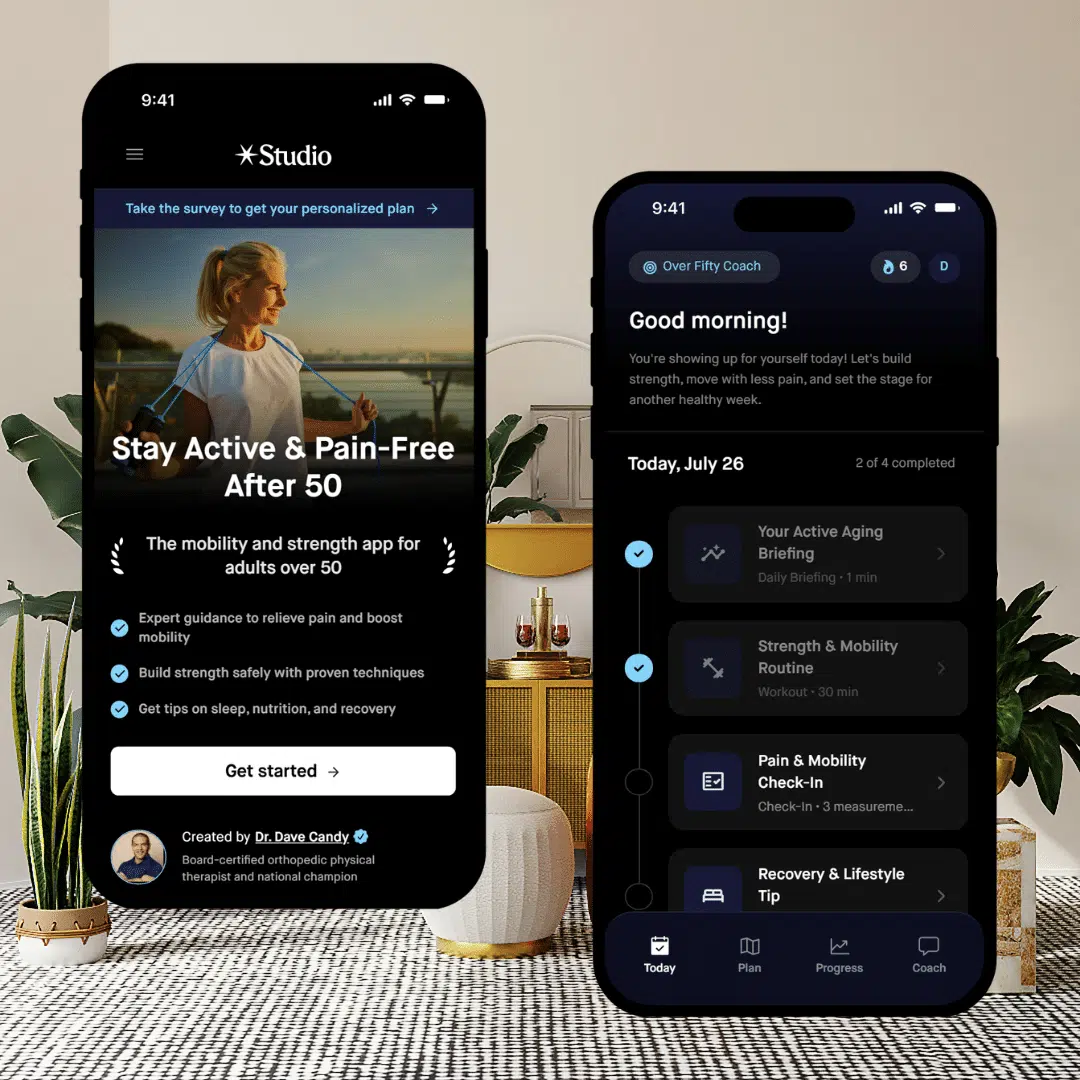
Need Help To Stay Strong and Mobile After 50?
Affiliate Disclosure: This post contains affiliate links to Amazon and/or other sites. While I only recommend products that I trust, as an Amazon Associate, I earn commission from qualifying purchases at no extra cost to you.
Medical Disclaimer: The content on this site is for educational and informational purposes only and is not intended as medical advice. Always consult with a qualified healthcare professional before beginning any new exercise program, diet, or supplement regimen, especially if you have pre-existing health conditions.