
Introduction
As we age, standing for long periods can become increasingly challenging due to conditions like knee arthritis, hip arthritis, and plantar fasciitis. Fortunately, there are effective strategies to help you stand longer without pain in your back, hips, knees, or feet. This guide provides actionable tips and stretches to enhance your standing endurance and comfort.
Understanding the Importance of Posture
When standing still, your joints bear weight on the same surfaces, leading to discomfort, especially as cartilage wears down with age. Maintaining an optimal posture helps distribute weight evenly and reduces strain on your muscles and joints.
Finding Your Ideal Standing Posture
To stand comfortably for longer periods, start by assessing your posture:
- Feet Position: Place your feet naturally, whether parallel, slightly turned out, or in. Shift your weight between your toes and heels to find a neutral position.
- Knees Alignment: Move your knees inwards and outwards, seeking a position that feels relaxed and balanced.
- Hip Movement: Experiment with pushing your hips forward and backward, rolling your pelvis under to alleviate pressure on your lower back.
- Chest and Shoulders: Lift your chest and relax your shoulders to find a comfortable upper body position without arching your lower back.
The goal is to achieve a balanced position where you can easily shift your weight between legs and maintain comfort.
Strategies for Reducing Pain While Standing
Incorporating movement into your routine is essential. The best posture is often your next posture; therefore, aim to change your position frequently.
Consider these strategies:
- Shift Weight: Alternate your weight between legs every few minutes to prevent stiffness.
- Take Short Breaks: If possible, take breaks to walk around, stretch, or change positions.
- Use Support: If standing for long periods, consider using a footrest or leaning against a counter for support.
Three Essential Stretches
To support your standing posture and alleviate discomfort, incorporate these stretches into your routine:
- Calf Stretch: Stagger one foot back, keeping the heel flat. Gently move your knee over your toes while aligning your knee and toes. Hold the position for 1-2 minutes.
- Hip Flexor Stretch: In the same staggered stance, tuck your pelvis under while keeping the heel down. Hold this position for 1-2 minutes to stretch the front of your thigh.
- Chest and Upper Back Stretch: Stand against a wall with your lower back flat. Raise your arms like a goal post and try to bring your shoulder blades back towards the wall. Hold this position while keeping your lower back flat.
Consistently practicing these stretches helps maintain flexibility and strength in key muscle groups, enhancing your ability to stand without pain.
Next Steps to Enhance Your Standing Endurance
By understanding the importance of posture and integrating these strategies and stretches into your daily routine, you can significantly improve your ability to stand longer without pain. Remember, the key is to stay mindful of your body and make adjustments as needed. If you’re struggling with persistent pain, consider seeking professional assistance for personalized guidance.
Taking proactive steps today can lead to a more comfortable, active tomorrow. Start incorporating these tips and stretches into your routine and enjoy the benefits of standing pain-free.
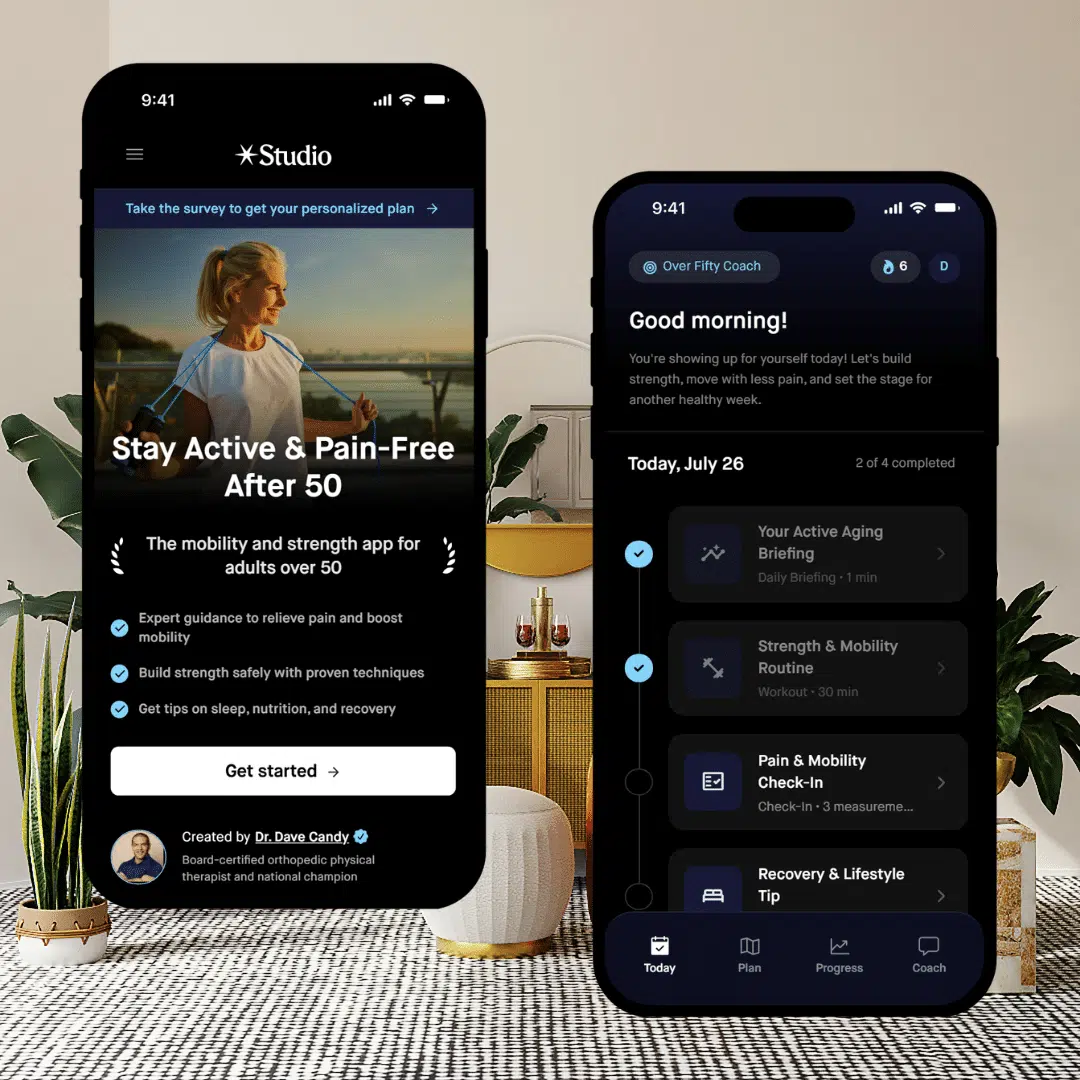
Need Help To Stay Strong and Mobile After 50?
Affiliate Disclosure: This post contains affiliate links to Amazon and/or other sites. While I only recommend products that I trust, as an Amazon Associate, I earn commission from qualifying purchases at no extra cost to you.
Medical Disclaimer: The content on this site is for educational and informational purposes only and is not intended as medical advice. Always consult with a qualified healthcare professional before beginning any new exercise program, diet, or supplement regimen, especially if you have pre-existing health conditions.