
Understanding Spinal Stenosis and Balance Problems
Spinal stenosis and balance problems often occur together, creating challenges for many individuals. This condition, characterized by the narrowing of the spinal canal, can significantly impact the sensory and motor functions necessary for maintaining balance. Understanding the relationship between spinal stenosis and balance issues is crucial for developing effective strategies to improve stability and prevent falls.
How Spinal Stenosis Affects Balance
The body’s balance relies on three primary systems: the inner ear, visual input, and sensory feedback from the feet and joints. Spinal stenosis can disrupt these systems, leading to increased risks of falls.
1. The Role of the Inner Ear
Your inner ear comprises semi-circular canals that help determine your body’s orientation. When these canals are affected, it can lead to feelings of dizziness or imbalance, often mistaken for vertigo. Individuals with spinal stenosis may not realize how much their balance issues are linked to inner ear dysfunction.
2. Visual Input and Balance
Our vision plays a vital role in maintaining balance. When visual cues are altered, the brain may misinterpret the body’s position, which can lead to falls. Those with spinal stenosis may struggle with this aspect due to the compromised sensory input from their lower body.
3. Sensory Feedback from Feet and Joints
The sensory receptors in our feet and joints provide essential feedback to the brain about our body position. Spinal stenosis can limit the information sent from the legs to the brain, making it difficult to execute proper motor responses necessary for balance.
Improving Balance with Spinal Stenosis
While spinal stenosis presents challenges, there are actionable steps you can take to improve your balance. Here are three key strategies:
1. Maintain a Neutral Spine
Reducing the arch in your lower back can help alleviate pressure on the spinal cord and nerves. By performing a pelvic tilt, you create more space for the nerves, allowing for better sensory information flow to your brain. This simple adjustment can enhance both incoming and outgoing signals, improving balance.
2. Practice Standing Balance Exercises
One effective exercise is balancing on one leg. Start by holding onto a sturdy object like a chair or countertop. Tuck your pelvis under slightly and lean forward to maintain a neutral spine. Lift one leg off the ground and hold the position. This exercise simulates real-life scenarios where balance is crucial, such as walking or navigating stairs.
3. Adjust Your Walking Technique
To improve balance while walking, consider these tips:
- Take Smaller Steps: Smaller steps reduce the time spent balancing on one leg, lowering the risk of falls.
- Widen Your Stance: Keeping your feet shoulder-width apart provides a more stable base and decreases the likelihood of tripping.
Next Steps for Better Balance
Improving balance when dealing with spinal stenosis is a gradual process. Begin with the pelvic tilt to enhance spinal positioning, then incorporate standing balance exercises into your routine. Finally, pay attention to your walking technique, focusing on smaller steps and a wider stance. Consistent practice will yield improvements over time, helping you stay safe and active.
For those in the St. Louis area seeking personalized guidance, consider professional assistance to develop a tailored plan for managing spinal stenosis and enhancing balance. Remember, small changes can lead to significant improvements in your quality of life.
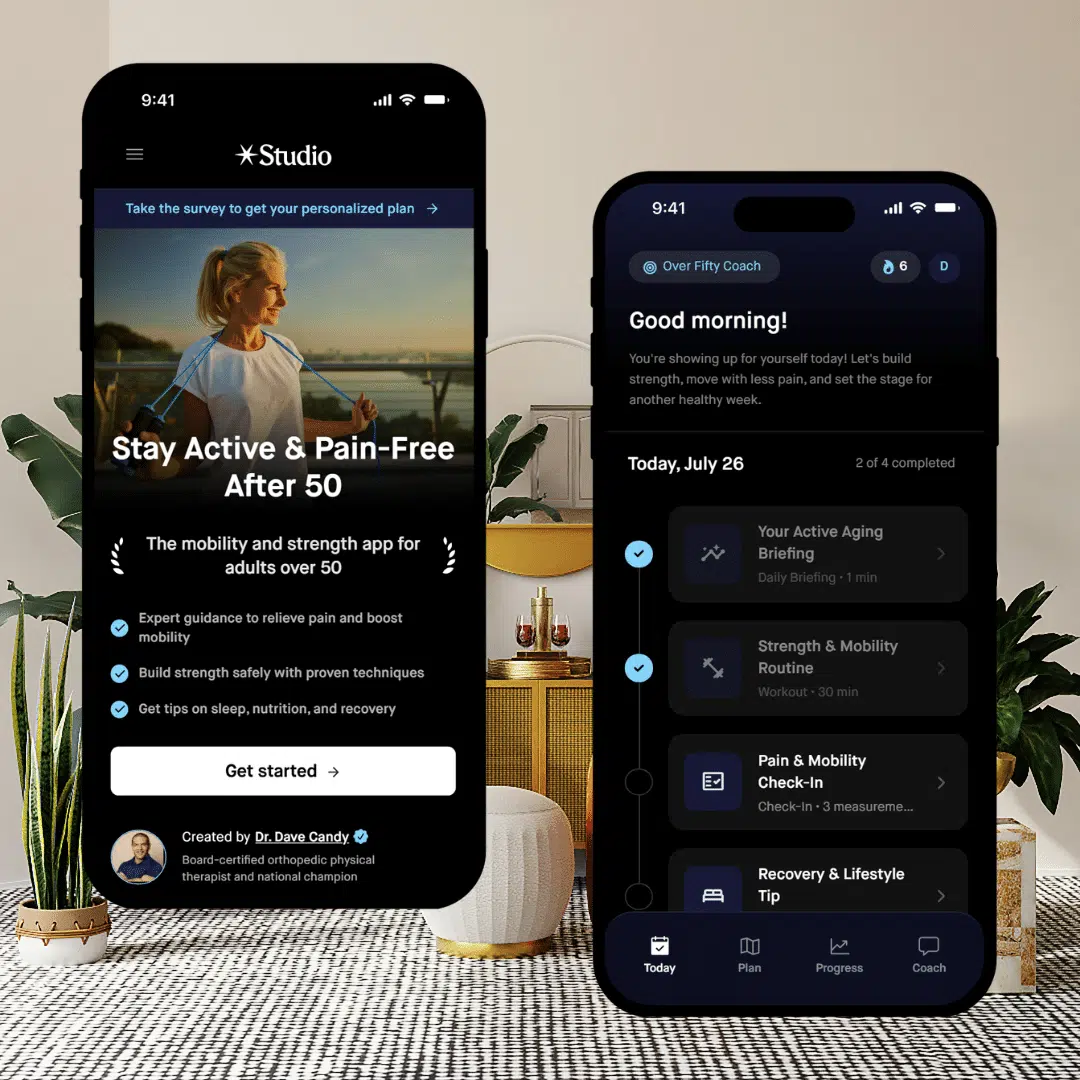
Need Help To Stay Strong and Mobile After 50?
Affiliate Disclosure: This post contains affiliate links to Amazon and/or other sites. While I only recommend products that I trust, as an Amazon Associate, I earn commission from qualifying purchases at no extra cost to you.
Medical Disclaimer: The content on this site is for educational and informational purposes only and is not intended as medical advice. Always consult with a qualified healthcare professional before beginning any new exercise program, diet, or supplement regimen, especially if you have pre-existing health conditions.