
Understanding the Psoas Muscle
The psoas muscle plays a crucial role in our body, particularly when it comes to back and hip pain. If you’re experiencing discomfort while standing or walking for extended periods, tight hip flexors could be the culprit. The iliopsoas, a group of muscles including the iliacus and psoas, can lead to pain radiating into your lower back, hips, and thighs.
Why Tight Psoas Muscles Cause Back Pain
The iliopsoas muscle group attaches to your spine and hip bones. When these muscles become stiff, they can compress the spinal discs, joints, or nerves in your lower back. This compression often results in pain, especially for individuals who spend long hours sitting.
Effects of a Sedentary Lifestyle
Many people today lead sedentary lifestyles, causing the hip flexors to shorten while sitting. When you stand up, these muscles may not lengthen properly, leading to a forward pelvic tilt. This posture further narrows the spaces in your lower back, exacerbating pain and discomfort.
Releasing the Psoas Muscle: Techniques and Tools
Releasing tight psoas muscles is a common practice in physical therapy. One effective method is the use of the Pso-Rite Psoas Release Tool. This tool mimics the pressure a therapist would apply, allowing you to release tension in the psoas muscle effectively.

How to Use the Pso-Rite Psoas Release Tool
To use the Pso-Rite Psoas Release Tool, follow these steps:
- Lay down on the floor with the tool positioned inside your iliac crests.
- Allow your body weight to apply pressure onto the tool.
- Take deep breaths, sinking deeper into the tool with each exhale.
This technique helps release tension primarily in the iliacus portion of the psoas muscle. For deeper pressure on the psoas, move the tool higher towards your abdomen.
Stretching the Hip Flexors
After releasing the psoas, stretching the hip flexors is essential for maintaining flexibility and preventing future pain.
Half-Kneeling Hip Flexor Stretch
To perform a half-kneeling hip flexor stretch:
- Place one leg in front and the other behind, ensuring your back remains flat.
- Tuck your pelvis under and push your hips forward until you feel a stretch in your thigh.
This stretch targets the iliopsoas effectively without extending your spine.
Alternative Stretching Options
If you struggle to get down on the floor, consider doing this stretch in a standing position:
- Adopt a staggered stance with one foot forward.
- Tuck your pelvis under and gently push your hips forward.
While this standing variation may not stretch the rectus femoris muscle, it’s a great alternative to engage the iliopsoas.
Using the Tool While Lying in Bed
If getting down to the floor is challenging, you can also use the Psoas Release tool while lying in bed:
- Prop your knees up with pillows or a bolster for support.
- Position the tool inside your hip bones and apply gentle pressure with your hands.
- As before, use deep breathing to enhance the release.
This method can provide significant relief, especially for those with limited mobility.
Conclusion: Taking Your Next Steps Towards Relief
Incorporating the psoas release tool and stretches into your routine can significantly alleviate back and hip pain. Regularly addressing tight hip flexors not only improves mobility but also enhances overall well-being. Consider trying these techniques today to reclaim comfort in your daily activities.
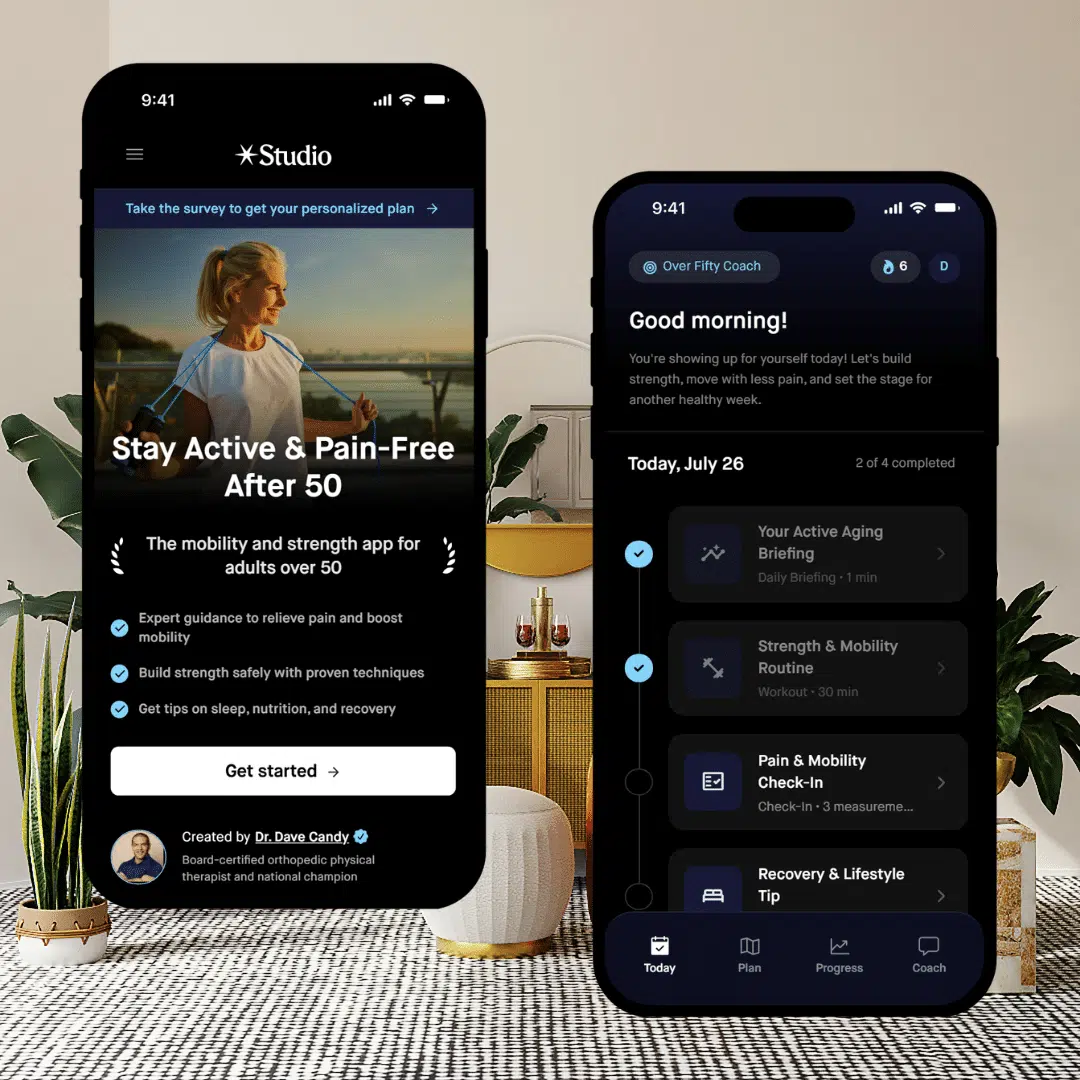
Need Help To Stay Strong and Mobile After 50?
Affiliate Disclosure: This post contains affiliate links to Amazon and/or other sites. While I only recommend products that I trust, as an Amazon Associate, I earn commission from qualifying purchases at no extra cost to you.
Medical Disclaimer: The content on this site is for educational and informational purposes only and is not intended as medical advice. Always consult with a qualified healthcare professional before beginning any new exercise program, diet, or supplement regimen, especially if you have pre-existing health conditions.