
Understanding Hip Impingement
Hip impingement, also known as femoroacetabular impingement, is a condition that results from abnormalities in the hip joint anatomy. This can lead to discomfort during activities such as deep squats, getting up from a low chair, or even bending down to put on socks. Understanding the causes of hip impingement is crucial for finding effective exercises to relieve pain and improve mobility.
What Causes Hip Impingement?
There are two main types of hip impingement: cam and pincer. Cam impingement occurs when the ball of the hip joint has an irregular shape, while pincer impingement is due to an overhang of the socket. Both types can cause pinching sensations in the hip during certain movements, particularly flexion, adduction, and internal rotation.
Five Exercises for Hip Impingement
To manage hip impingement effectively, a comprehensive approach that includes flexibility and strengthening exercises is recommended. Below are five exercises categorized into indirect flexibility, direct flexibility, and strengthening exercises.
1. Hip Flexor Stretch (Indirect Flexibility)
Begin by kneeling on one knee. The side where you experience symptoms should be the one on the floor. Gently roll your pelvis under and push it forward until you feel a stretch in the front of your hip. Hold this position for about one minute, ensuring not to arch your back excessively.
2. Piriformis Stretch (Indirect Flexibility)
For this stretch, sit with one leg crossed over the other. If this position is challenging, you may place your foot on a stool and lean forward gently until you feel a stretch in the back of your hip. This exercise helps improve flexibility in the muscles that can contribute to hip impingement.
3. Groin Stretch (Indirect Flexibility)
To stretch your hip adductors, sit back on a couch or bed and push your knees outward. You can also do this stretch on the floor, ensuring that you are comfortable and not forcing the stretch too much. Over time, you should be able to lower your knees further to the ground.
4. Rocking Back Stretch (Direct Flexibility)
Position yourself on all fours and gently rock backward, using your body weight to mobilize the hip joint. Be mindful of your lower back and keep it flat as you tilt your pelvis forward. Only stretch to the point where you feel comfortable and avoid any pinching sensation.
5. Deep Squat (Strengthening Exercise)
As you progress, incorporating a deep squat into your routine can help strengthen the gluteal muscles. Start by hinging at the hips and lowering your body while keeping your back flat. Ensure your knees are turned outward slightly. Gradually work on your depth as your flexibility improves, but never push through pain.
Conclusion: Moving Forward with Hip Impingement
Implementing these five exercises into your routine can significantly improve your mobility and reduce pain associated with hip impingement. Remember to listen to your body and progress gradually. If your symptoms persist, consider consulting a physical therapist for personalized guidance.
By focusing on flexibility and strength, you can help create more space in the hip joint and reduce the risk of further impingement. Start today and take the first step towards a more active and pain-free lifestyle!
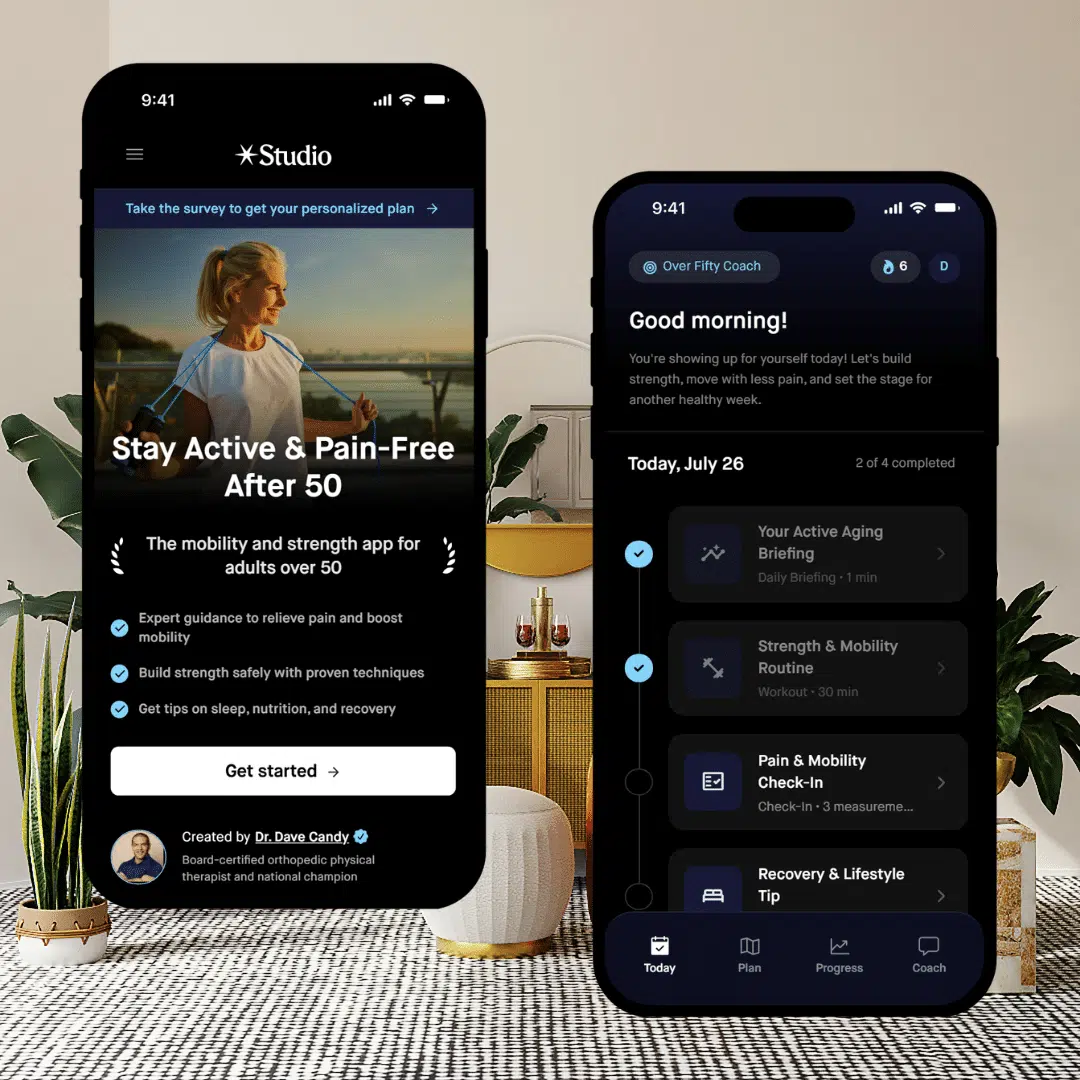
Need Help To Stay Strong and Mobile After 50?
Affiliate Disclosure: This post contains affiliate links to Amazon and/or other sites. While I only recommend products that I trust, as an Amazon Associate, I earn commission from qualifying purchases at no extra cost to you.
Medical Disclaimer: The content on this site is for educational and informational purposes only and is not intended as medical advice. Always consult with a qualified healthcare professional before beginning any new exercise program, diet, or supplement regimen, especially if you have pre-existing health conditions.