
Understanding Spinal Stenosis
Spinal stenosis refers to the narrowing of the spaces within your spine, which can cause pressure on the spinal cord and nerves. This condition often affects the lower back and can lead to significant discomfort and mobility issues. Fortunately, you can manage spinal stenosis without resorting to surgery. In this post, we’ll explore five effective exercises designed to alleviate symptoms and improve your quality of life.
Immediate Relief for Spinal Stenosis Symptoms
When experiencing acute symptoms of spinal stenosis, such as pain radiating down the legs, immediate relief is crucial. One of the most effective ways to relieve these symptoms is through forward bending exercises.
Forward Bending Stretches
Engaging in forward bending stretches can help to open up the spaces where the nerves exit the spine. Here are two variations:
- Standing Forward Bend: Stand tall and gently bend forward at the hips, allowing your upper body to hang down towards your feet. This position can help alleviate pressure on the nerves.
- Sitting Forward Bend: Sit on the floor with your legs extended. Slowly reach forward, bending at the waist, to stretch your lower back and relieve tension.
If symptoms are particularly severe, lying down may provide the best relief.
Knees to Chest Stretch
While lying on your back, bring both knees towards your chest. This position not only takes pressure off your spine but also encourages a flexed position that can relieve discomfort.
Long-Term Strategies for Managing Spinal Stenosis
While immediate relief is important, it’s equally essential to address the underlying issues contributing to spinal stenosis. Here are some long-term strategies to consider:
Hip Flexor Stretching
Tight hip flexors can exacerbate spinal stenosis symptoms. To stretch your hip flexors:
- Start in a staggered stance with one leg forward and the other back.
- Gently push your hips forward while keeping your spine flat. You should feel a stretch in the front of the hip on the back leg.
Perform this stretch regularly, especially when you’re not experiencing pain, to prevent flare-ups.
Pelvic Tilt Exercise
Practicing pelvic tilts can help to flatten the curve in your back, mitigating symptoms of spinal stenosis:
- Stand with your feet shoulder-width apart.
- Gently roll your pelvis under, flattening your lower back. Hold for a few seconds and then release.
This exercise can be done throughout your day, whether you’re cooking or standing in line.
The Importance of Walking
Walking is a valuable exercise for individuals with spinal stenosis, as long as it is done carefully. Start with short distances and focus on maintaining good posture. Leaning slightly forward can help reduce discomfort.
Additional Resources
For tailored guidance, consider consulting a physical therapist who specializes in spinal conditions. They can provide personalized exercises and techniques to help manage your symptoms effectively.
Next Steps for Managing Spinal Stenosis
Managing spinal stenosis often requires a combination of immediate relief strategies and long-term exercises. Incorporate these five exercises into your routine to help alleviate symptoms and improve your spinal health. Remember, consistency is key for lasting improvement.
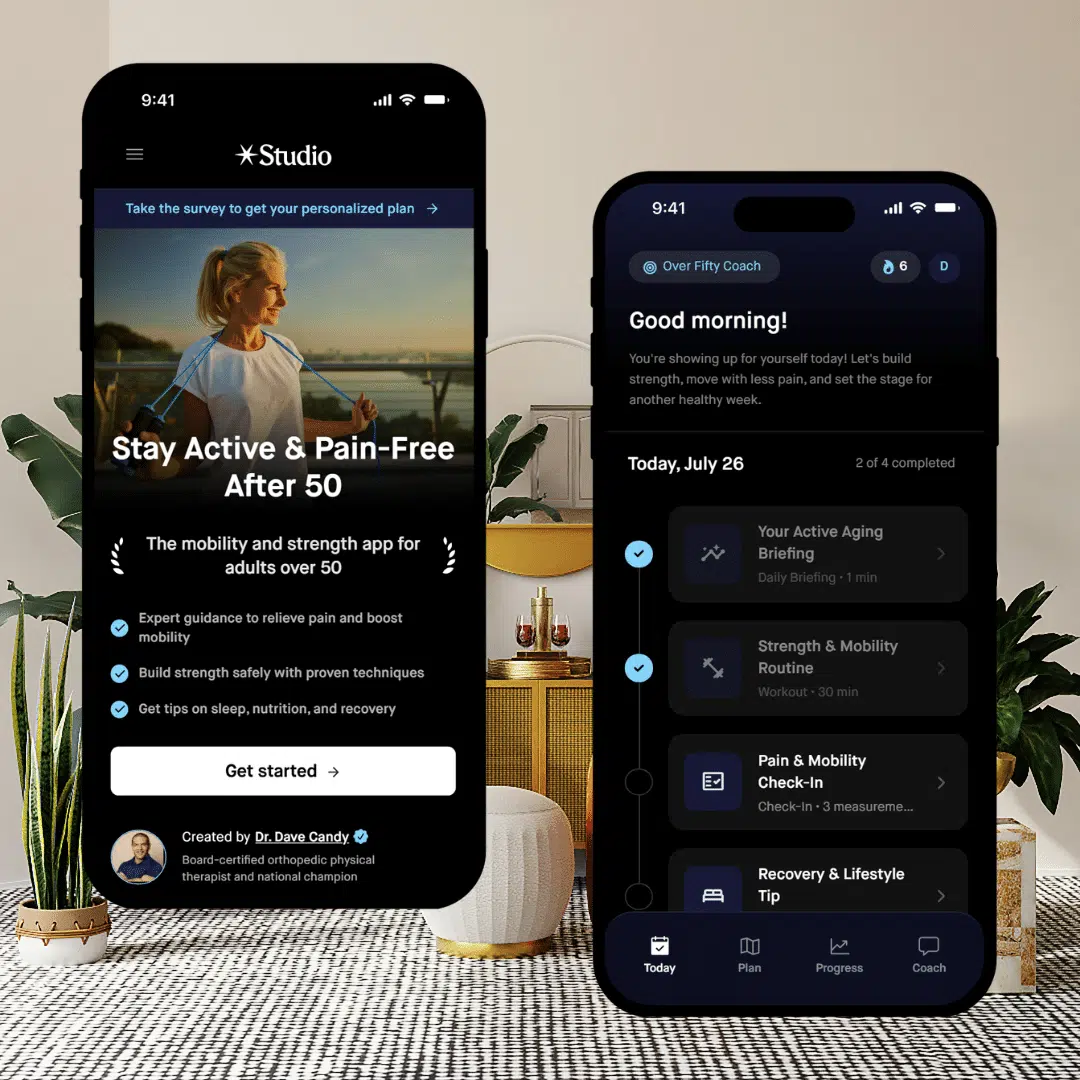
Need Help To Stay Strong and Mobile After 50?
Affiliate Disclosure: This post contains affiliate links to Amazon and/or other sites. While I only recommend products that I trust, as an Amazon Associate, I earn commission from qualifying purchases at no extra cost to you.
Medical Disclaimer: The content on this site is for educational and informational purposes only and is not intended as medical advice. Always consult with a qualified healthcare professional before beginning any new exercise program, diet, or supplement regimen, especially if you have pre-existing health conditions.