
Understanding SI Joint Pain
Sacroiliac (SI) joint pain can be debilitating, often arising when standing up from a seated position or navigating stairs. The discomfort can manifest in the lower back, hips, or buttocks, and is frequently caused by muscle imbalances affecting the SI joints. If you’re seeking a quick solution for SI joint pain, you’re in the right place.
Quick Fix for SI Joint Pain
To alleviate SI joint pain in just 30 seconds, it’s important to first identify whether your joint is rotated forward or backward. This can usually be determined by testing the flexibility of your hip flexors and hamstrings.
Testing for Muscle Imbalances
Start with a simple test for the hip flexors. Laying on a bed or couch, pull both knees to your chest, then let one leg drop. Ideally, the dropped leg should fall parallel to the bed. A tight hip flexor will prevent this.
Next, test your hamstrings by extending one leg towards 90 degrees. If one leg feels tighter than the other, this may indicate an imbalance affecting the SI joint’s position.
Correcting Forward Rotation
If your SI joint is rotated forward, the goal is to rotate it backward. Lay down on a flat surface, pulling the affected leg toward your chest. Maintain this position while pushing against your hands for resistance. After five seconds, relax and pull the leg closer to your chest, then push again. Repeat this process for 15 to 30 seconds to help realign the SI joint.
Correcting Backward Rotation
For a backward-rotated SI joint, the approach is slightly different. Allow the affected leg to hang off the bed, pulling it downward repeatedly. Each time you do this, you are promoting forward rotation of the SI joint. Alternatively, you can push against your hand while letting the leg fall to facilitate the same movement.
Long-Term Solutions for SI Joint Pain
While the above techniques provide quick relief, it’s crucial to address underlying issues to prevent recurrence. Stiff muscles often contribute to SI joint pain, so regular stretching is essential. Focus on your hip flexors if they are tight and consider incorporating hamstring stretches if they are contributing to the problem.
Strengthening Weak Muscles
In addition to stretching, strengthening the muscles that are too weak is vital. If your hip flexors are tight and your abdominals are overly long, strengthening these muscles can help maintain proper alignment. Conversely, if your hamstrings are stiff, focus on strengthening your hip flexors and back extensors to keep the pelvis balanced.
Seek Professional Help
For persistent SI joint issues, consulting a physical therapist experienced in treating this condition is recommended. They can provide personalized assessments and create a targeted exercise plan to ensure your recovery is both effective and sustainable.
Next Steps for Managing SI Joint Pain
In summary, understanding the mechanics behind SI joint pain and employing quick corrective techniques can provide immediate relief. However, for long-lasting results, consider a comprehensive approach that includes stretching, strengthening, and professional guidance. Implement these strategies, and you can regain comfort and mobility in your daily activities.
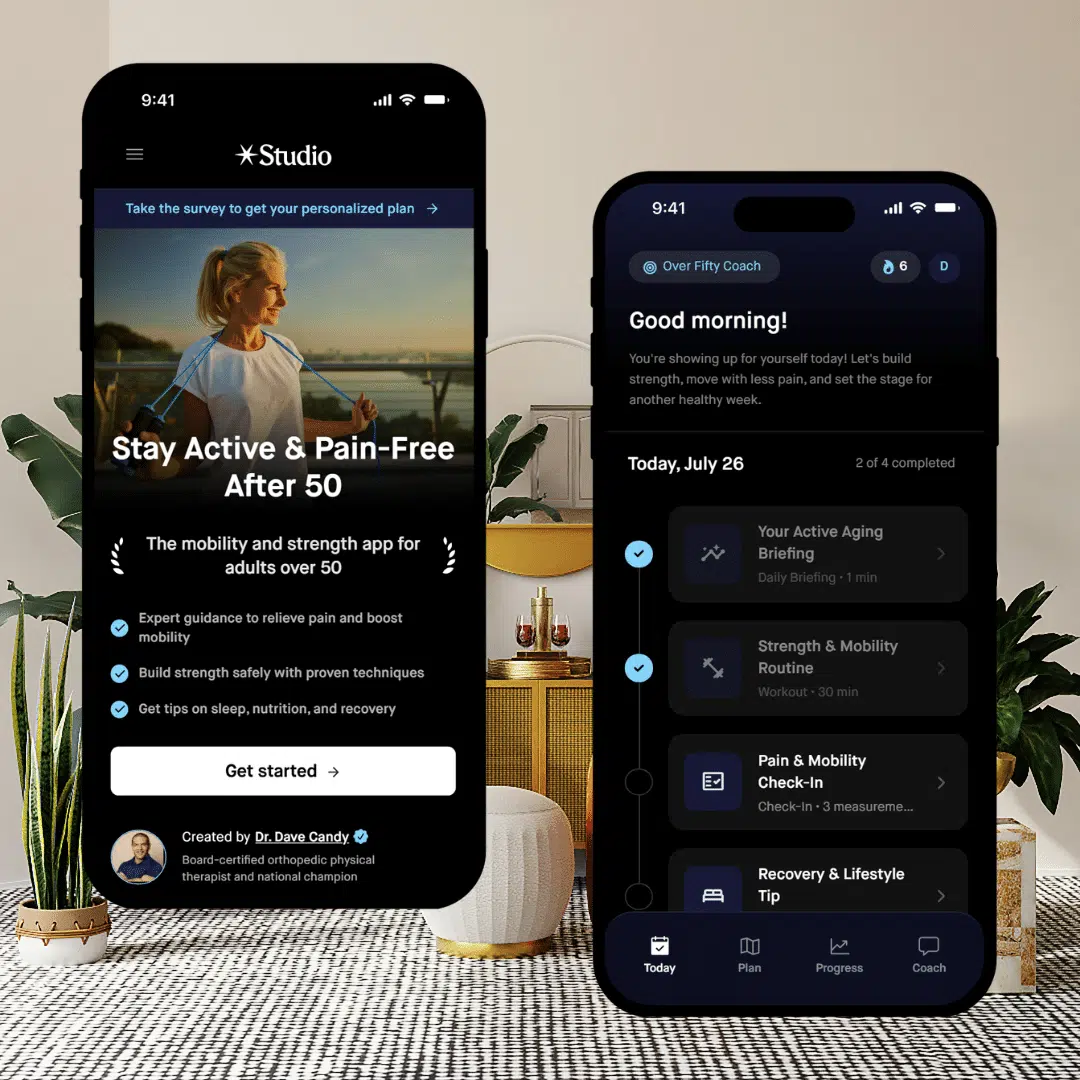
Need Help To Stay Strong and Mobile After 50?
Affiliate Disclosure: This post contains affiliate links to Amazon and/or other sites. While I only recommend products that I trust, as an Amazon Associate, I earn commission from qualifying purchases at no extra cost to you.
Medical Disclaimer: The content on this site is for educational and informational purposes only and is not intended as medical advice. Always consult with a qualified healthcare professional before beginning any new exercise program, diet, or supplement regimen, especially if you have pre-existing health conditions.