
Understanding Back Braces for Degenerative Disc Disease
When dealing with conditions like degenerative disc disease, spinal stenosis, or sciatica, choosing the right back brace can significantly impact your comfort and mobility. Two popular options are the DDS 300 and the G2, both designed by Disc Disease Solutions. While they serve similar purposes, understanding their differences can help you make an informed decision.
Key Features of the DDS 300 and G2
Both the DDS 300 and G2 are not your typical back braces. Unlike standard models that simply compress around your abdomen, these braces are engineered to unload your spine. They work by expanding vertically, alleviating some of the gravitational pressure on your back. This can be especially beneficial for those with degenerative disc disease who experience back or leg pain when standing or walking.

How These Braces Work
As gravity exerts pressure on the spine, conditions like degenerative disc disease can worsen during weight-bearing activities. The unique design of both braces helps create space between the vertebrae, offering temporary relief from pain. While they won’t completely eliminate discomfort, they enable longer periods of standing and walking, allowing you to engage in daily activities more comfortably.

Comparing the DDS 300 and G2
The DDS 300 is the original model, known for its effective design, while the G2 is a newer iteration aimed at providing more accessibility at a lower price point. Both models share a common goal: unloading your spine and providing relief from back pain.
Design Differences
The DDS 300 has a tapered design, which may be more suitable for shorter individuals, as it fits snugly between the rib cage and pelvis. In contrast, the G2 maintains a consistent thickness throughout and may offer a better fit for taller users. Each brace also features a Velcro strap for adjustable sizing, making them versatile for various body types.
Using the Braces Effectively
Both models come equipped with a pump that allows you to adjust the level of inflation. When wearing either brace, position it underneath your rib cage and above your pelvis, then tighten the strap for a secure fit. Inflate the brace to the green zone indicated on the pump to ensure optimal support. This vertical expansion is crucial for relieving pressure on the nerve roots that can cause pain and discomfort.
Limitations and Recommendations
It’s important to note that while both the DDS 300 and G2 can provide temporary relief, they are not long-term solutions. For ongoing back pain management, seeking professional help from a physical therapist is highly recommended. A therapist can help identify the root causes of your pain and develop a personalized treatment plan.
Final Thoughts
Choosing between the DDS 300 and G2 depends on your personal needs and body type. If you’re shorter and require a more contoured fit, the DDS 300 may be the better choice. However, if you’re taller and need a more universally fitting option, the G2 could be ideal. Both braces are effective tools in managing back pain but should be complemented with other therapies for long-term relief.
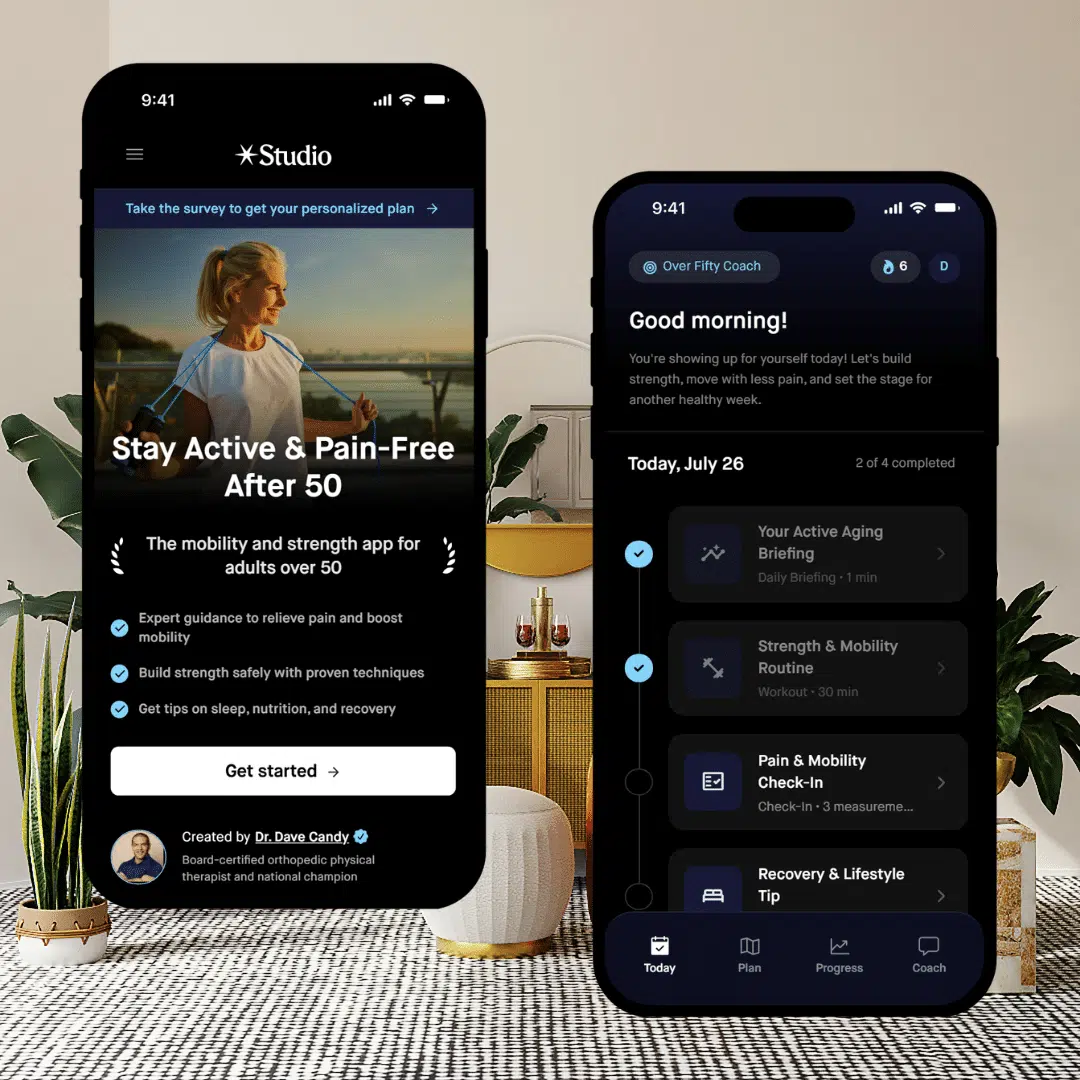
Need Help To Stay Strong and Mobile After 50?
Affiliate Disclosure: This post contains affiliate links to Amazon and/or other sites. While I only recommend products that I trust, as an Amazon Associate, I earn commission from qualifying purchases at no extra cost to you.
Medical Disclaimer: The content on this site is for educational and informational purposes only and is not intended as medical advice. Always consult with a qualified healthcare professional before beginning any new exercise program, diet, or supplement regimen, especially if you have pre-existing health conditions.