
Understanding the Rotator Cuff
The rotator cuff is a critical group of muscles and tendons that stabilize your shoulder joint. If you’re experiencing shoulder pain, strengthening these muscles can be vital for relief and improved function. Here, we explore eight effective exercises for rotator cuff strengthening while addressing common mistakes to avoid.
Common Misconceptions
Many individuals mistakenly believe that simply performing external and internal rotations using resistance bands will effectively strengthen their rotator cuff. While these exercises do activate the muscles, they may not translate into functional improvements, especially for those experiencing pain.
1. External Rotation with Control
To perform this exercise correctly, use a resistance band. Stand with your elbow tucked into your side, holding the band with the opposite hand. Slowly rotate your forearm outward, keeping your elbow stationary. Avoid quick, jerky movements which can engage other muscles, like the rhomboids, rather than focusing on the rotator cuff.
2. Internal Rotation with Stability
For the internal rotation, again use a resistance band. Stand with your elbow at your side and rotate your forearm inward. Like the external rotation, slow, controlled movements are essential. Ensure your elbow remains close to your body to maximize the effectiveness of the exercise.
3. Arm Raises for Stability
One of the most functional exercises involves raising your arms while focusing on maintaining proper shoulder alignment. Stand against a wall with your back straight, and slide your arms up, keeping them in an external rotation. This movement helps engage the rotator cuff in a more relevant functional capacity.
4. Towel Roll Technique
A simple but effective modification can enhance your internal and external rotation exercises. Roll a towel and place it under your elbow to keep it in the correct anatomical position. This adjustment reduces strain on your rotator cuff and ensures you’re targeting the right muscles.
Functional Movements
5. Overhead Arm Movement
To simulate real-life activities, practice raising your arms overhead. Begin without weights to focus on control. As you progress, add light weights to challenge your muscles further. This exercise mimics the natural movements you perform daily and engages the rotator cuff effectively.
6. Resistance Bands Above Shoulder Level
Using resistance bands above shoulder level can significantly enhance your rotator cuff’s stabilizing function. Stand tall and pull the band back, focusing on maintaining control and proper form. This position engages the rotator cuff in a functional manner similar to sports activities.
Advanced Techniques
7. Throwing Mechanics
If you’re an athlete, particularly in sports like baseball or swimming, focusing on your throwing mechanics is essential. Practice slow, controlled rotations of your arm, simulating throwing. This will help strengthen the rotator cuff’s role in slowing down the arm after a throw, preventing injuries.
8. Weighted Rotational Exercises
For added difficulty, incorporate light dumbbells into your rotation exercises. Ensure you maintain control and proper form to avoid any strain. This approach not only builds strength but also enhances your coordination and stability.
Conclusion: Take the Next Step
Strengthening your rotator cuff is crucial for shoulder health, especially if you’re dealing with pain or discomfort. By incorporating these exercises and avoiding common mistakes, you can effectively improve your shoulder function. Always consult a healthcare professional if you’re unsure about your exercise regimen or if you experience pain during any activities.
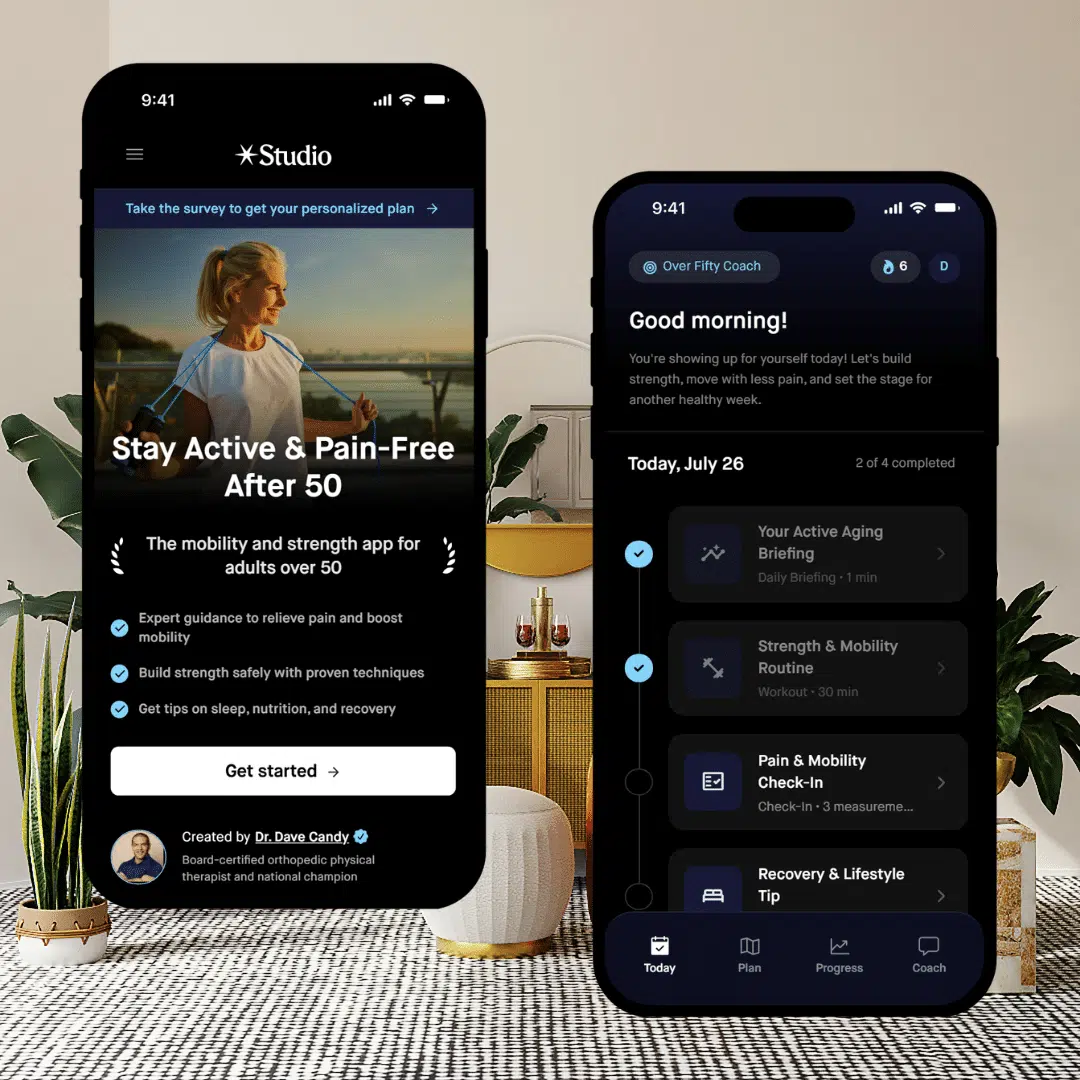
Need Help To Stay Strong and Mobile After 50?
Affiliate Disclosure: This post contains affiliate links to Amazon and/or other sites. While I only recommend products that I trust, as an Amazon Associate, I earn commission from qualifying purchases at no extra cost to you.
Medical Disclaimer: The content on this site is for educational and informational purposes only and is not intended as medical advice. Always consult with a qualified healthcare professional before beginning any new exercise program, diet, or supplement regimen, especially if you have pre-existing health conditions.