
What is Chronic Pain?
Chronic pain is a complex and often misunderstood condition that can significantly impact a person’s quality of life. Unlike acute pain, which is a direct result of an injury or illness and typically resolves as the body heals, chronic pain persists beyond the expected recovery time, often lasting for months or even years. This blog aims to explore the nature of chronic pain, its classifications, and treatment approaches.
Types of Chronic Pain
Chronic pain can be categorized into three main types, each with distinct characteristics:
1. Neuropathic Pain
Neuropathic pain arises from damage or disease affecting the somatosensory system. This type of pain may not be associated with an acute injury, and it is often described as sharp, shooting, or burning pain. Conditions like diabetic neuropathy or postherpetic neuralgia are common examples.
2. Nociplastic Pain
This type of chronic pain results from altered pain perception. It is characterized by a persistent pain that does not correlate with a specific injury or tissue damage. Symptoms often include regional pain and hypersensitivity, making the affected area painful to light touch.
3. Central Sensitization
Central sensitization refers to an amplified pain response resulting from changes in the nervous system. Individuals with this condition may experience pain from stimuli that would not typically cause discomfort. This can lead to a lowered pain threshold, making everyday activities painful.
The Role of Psychosocial Factors
Psychosocial factors play a crucial role in the experience of chronic pain. Conditions such as PTSD, depression, and anxiety can exacerbate pain symptoms. Studies show that individuals with a history of trauma often report higher pain levels due to the emotional and psychological responses elicited by their experiences.
For instance, veterans returning from service may experience chronic pain linked to both physical injuries and psychological issues. The interplay between mind and body is significant; emotional distress can heighten pain perception, while chronic pain can lead to feelings of hopelessness and frustration.
Understanding Pain Management
Managing chronic pain requires a comprehensive approach that includes both physical and psychological strategies. Here are some effective techniques:
1. Movement and Exercise
Engaging in regular physical activity is vital for managing chronic pain. Gentle exercises like walking, swimming, or yoga can help maintain joint mobility and reduce stiffness. Movement also aids in retraining the nervous system to respond appropriately to everyday stimuli, preventing the development of kinesiophobia—the fear of movement.
2. Mindfulness and Cognitive Behavioral Therapy
Mindfulness techniques, including meditation and deep breathing exercises, can help individuals manage their pain perception. Cognitive Behavioral Therapy (CBT) is another effective method that addresses negative thought patterns and teaches coping strategies to deal with chronic pain.
3. Interdisciplinary Pain Management
Collaborative care involving various specialists—such as occupational therapists, psychologists, and physiotherapists—can provide a holistic treatment plan. This approach ensures that all aspects of a patient’s health are considered, including their emotional and social well-being.
Expectations for Recovery
It’s essential to have realistic expectations when dealing with chronic pain. While some individuals may find relief through treatment, others may need to manage their pain long-term. Recovery can be a journey of small steps, focusing on enhancing daily functioning rather than achieving a complete absence of pain.
It’s vital to remember that chronic pain does not define you. With the right strategies and support, individuals can regain control over their lives and find joy in activities that matter to them.
Next Steps
If you or someone you know is struggling with chronic pain, seek guidance from healthcare professionals who specialize in pain management. By exploring various treatment options and focusing on the mind-body connection, it is possible to improve your quality of life.
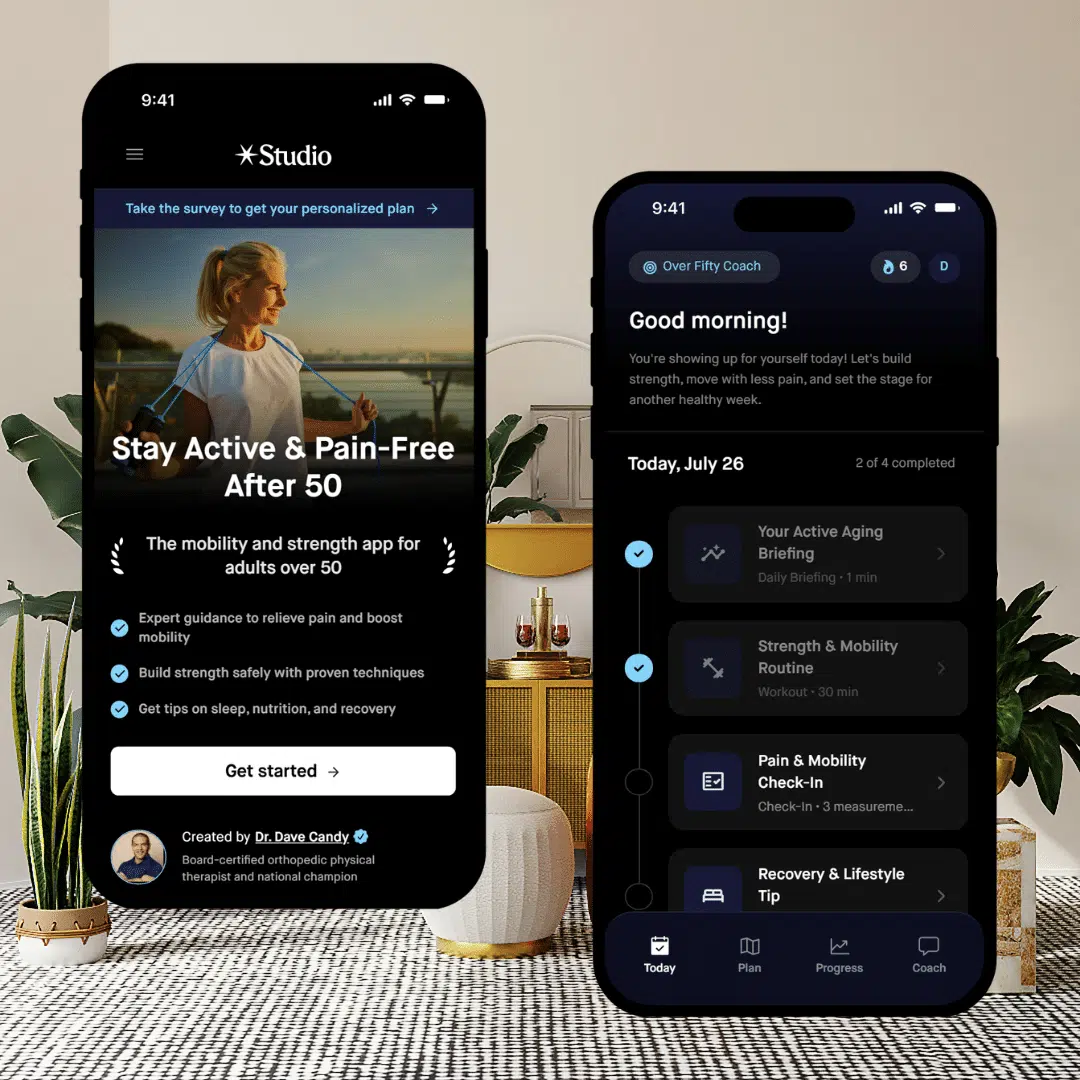
Need Help To Stay Strong and Mobile After 50?
Affiliate Disclosure: This post contains affiliate links to Amazon and/or other sites. While I only recommend products that I trust, as an Amazon Associate, I earn commission from qualifying purchases at no extra cost to you.
Medical Disclaimer: The content on this site is for educational and informational purposes only and is not intended as medical advice. Always consult with a qualified healthcare professional before beginning any new exercise program, diet, or supplement regimen, especially if you have pre-existing health conditions.