
Understanding Pain: Respect It, Don’t Fear It
Pain is often misunderstood. It is crucial to recognize that pain is not merely a signal from your body; rather, it is a response generated by your brain. This response is influenced by various factors including your environment, past experiences, and emotional state. Thus, instead of fearing pain, respect it. Understand its source and take proactive steps to address it.
What Pain Means
In many cases, pain serves a protective function, alerting you to potential harm. For instance, a sprained ankle may cause you to limp, preventing further injury. However, chronic pain can inhibit recovery by causing avoidance of activities that are essential for healing. Therefore, rather than shying away from pain, investigate its causes and work towards finding solutions.
Tip #1: Stay Active
As a physical therapist, I cannot emphasize enough the importance of movement. Staying active benefits nearly every aspect of your health. It is not necessary to engage in intense workouts at the gym; simple activities like walking, gardening, or even household chores can significantly improve your well-being.
Benefits of Movement
Regular activity helps maintain cardiovascular health, strengthens muscles, and supports bone density. It also plays a vital role in reducing stress and enhancing sleep quality. Incorporating movement into your daily routine can alleviate pain and promote a more active lifestyle.
Tip #2: Eat a Healthy Diet
Your diet significantly impacts your body’s ability to heal and function. Consuming nutrient-rich foods provides your body with the necessary components for tissue repair and overall health. Remember, you are what you eat!
Essential Nutrients
Proteins are crucial for muscle repair, while calcium is vital for bone health. Vitamins act as catalysts for essential chemical reactions in your body. By focusing on a balanced diet, you can enhance your body’s healing processes and reduce pain over time.
Tip #3: Find Your Purpose
Having a higher purpose can be a game changer in your journey towards becoming pain-free. When the focus shifts from merely eliminating pain to pursuing meaningful goals, the journey becomes more fulfilling and sustainable.
Personal Story
Consider a patient I once treated who struggled with chronic TMJ pain. Initially, she was solely focused on alleviating her discomfort. However, after discussing her life aspirations, she redirected her focus toward her career and family. Surprisingly, by prioritizing her goals over her pain, she experienced a significant reduction in her symptoms.
Tip #4: Choose Happiness
It’s vital to understand that while pain is often unavoidable, suffering is optional. Life can throw unforeseen challenges your way, but your reaction to these challenges is within your control. Choosing happiness can make a substantial difference in your pain experience.
Mindset Matters
By actively choosing a positive mindset, you can lessen the burden of pain. This does not mean ignoring underlying issues; rather, it signifies a commitment to addressing them without allowing pain to dominate your life.
Tip #5: Don’t Lose Hope
Lastly, it’s essential to maintain hope throughout your journey. Just because you haven’t discovered a solution yet doesn’t mean one does not exist. Becoming pain-free is not merely a destination; it is a journey filled with learning and growth.
Your Next Steps
If you find yourself struggling with pain, take the first step towards a pain-free life by reaching out for support. Whether through professional help or community resources, remember that you are not alone in this journey.
In conclusion, by respecting pain, staying active, eating well, finding purpose, choosing happiness, and maintaining hope, you can pave the way towards a healthier, pain-free life. Embrace these lifestyle changes and enjoy the ride towards recovery.
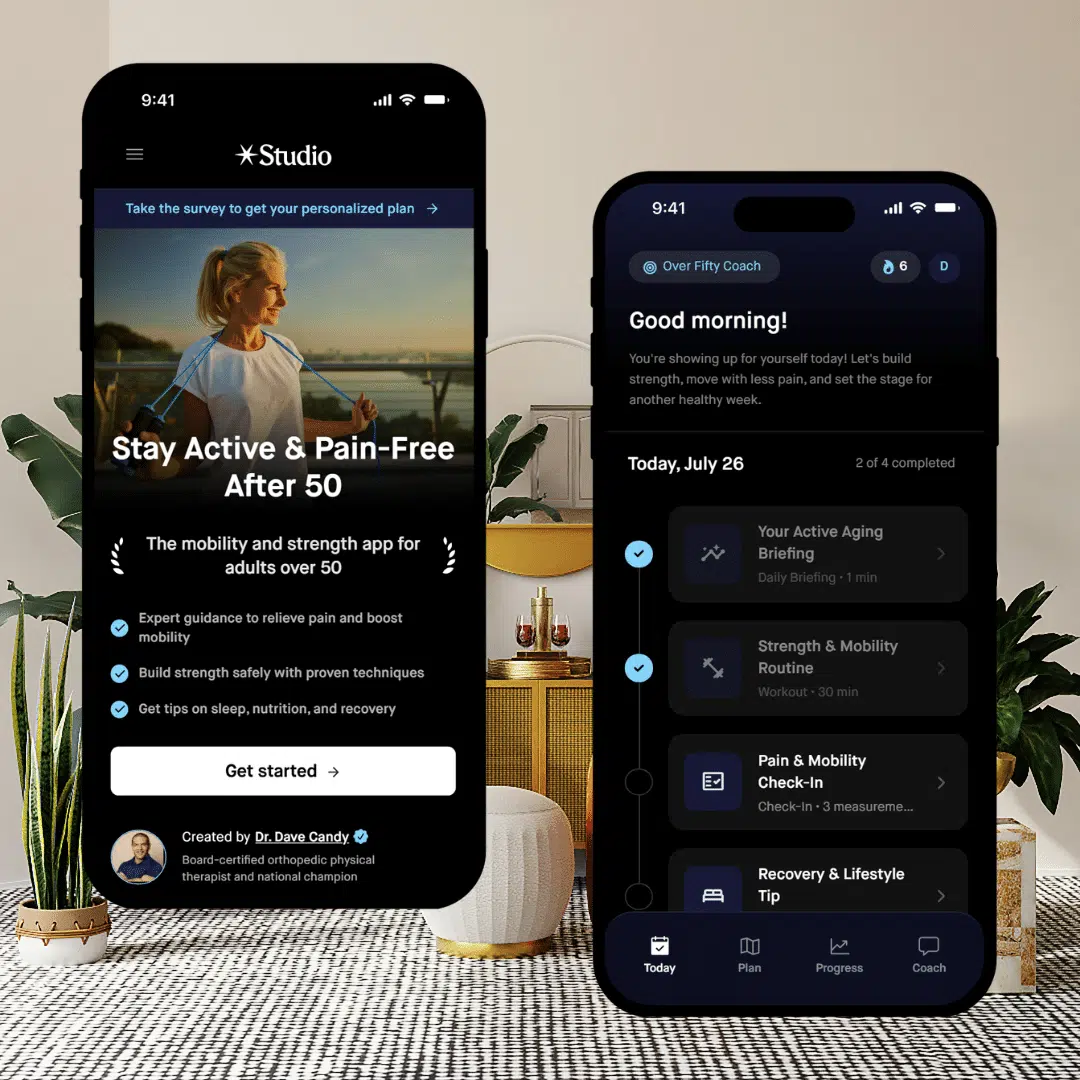
Need Help To Stay Strong and Mobile After 50?
Affiliate Disclosure: This post contains affiliate links to Amazon and/or other sites. While I only recommend products that I trust, as an Amazon Associate, I earn commission from qualifying purchases at no extra cost to you.
Medical Disclaimer: The content on this site is for educational and informational purposes only and is not intended as medical advice. Always consult with a qualified healthcare professional before beginning any new exercise program, diet, or supplement regimen, especially if you have pre-existing health conditions.