
Introduction to Strength Training for Seniors
Are you over 60 and looking to strengthen your body? Many people fear lifting heavy weights due to concerns about back, knee, or shoulder issues. However, using light weights, such as 5, 10, or 15 lb dumbbells, can provide significant strength benefits. After age 30, individuals lose 3 to 8% of muscle mass per decade, a process known as sarcopenia, which accelerates after age 60. Fortunately, research shows that progressive resistance training can slow down or even reverse this muscle loss.
Why Light Weights Matter
Using lighter weights can be incredibly beneficial for those new to strength training or those who have been inactive. It’s essential to choose a weight that challenges you but is also manageable. If you’ve been lifting the same weights for a while, it’s time to increase the resistance.
Understanding Your Fitness Level
Everyone’s fitness level varies significantly after 60. If 15 lb weights feel heavy, that indicates potential muscle loss due to sarcopenia. Conversely, if you find them light, you may already be on the right track. Regardless of where you start, this workout can be adjusted to fit your needs.
Full-Body Workout with Dumbbells
Let’s dive into a full-body workout designed for older adults using light weights. We’ll begin with exercises that target large muscle groups before moving to smaller ones. Remember to focus on form and alignment to prevent injury.
1. Goblet Squats
Start with goblet squats, which target your quadriceps and glutes. Hold a 15 lb dumbbell against your chest with your forearms vertical. Keep your knees slightly outward and your hips aligned. Squat down as deep as you feel comfortable, ensuring your knees do not buckle inward.
2. Lunges
Next, let’s progress to lunges. You may find that lunges are more challenging than squats, especially when adding weight. Maintain the same hip, knee, and toe alignment as with squats. If you experience any discomfort, consider starting with bodyweight lunges or reverse lunges to reduce strain on your knees.
3. Romanian Deadlifts
To work your hamstrings, perform Romanian deadlifts (RDLs). Hold the dumbbells close to your body and push your hips back while keeping your spine neutral. Lower the weights while maintaining this posture, then return to standing. It’s crucial to avoid rounding your back during this exercise.
4. Standing Calf Raises
For calf strength, do standing calf raises. If this becomes too easy, switch to single-leg calf raises to increase the challenge. Ensure you’re using flat-sided dumbbells to avoid rolling during the exercise.
Upper Body Strengthening
Next, we’ll focus on upper body exercises, starting with the back.
5. Single Arm Rows
To target the lats and rhomboids, perform single-arm rows. Use a partial lunge position, pulling the dumbbell towards your side while keeping your elbow close. Maintain this position to avoid shoulder strain.
6. Shoulder Press
For shoulder strength, do shoulder presses. Hold the dumbbells at shoulder height and press them overhead. If 15 lb feels too heavy, drop to lighter weights to maintain proper form.
7. Push-ups with Dumbbells
Incorporate push-ups using dumbbells as handles to reduce wrist strain. Keep your elbows at a 45-degree angle and focus on maintaining a plank position. If traditional push-ups are too difficult, try them on your knees or against a wall.
Finishing Strong with Arm Exercises
Finally, let’s target the arms.
8. Bicep Curls
For biceps, perform two-arm curls. Make sure to avoid going completely vertical to keep tension on the muscles. An alternating supinating curl is also effective; twist your wrists halfway up for added engagement.
9. Triceps Extensions
Finish with triceps extensions. Hold a dumbbell behind your head and extend it upwards. You can do this one arm at a time or with both arms simultaneously.
Conclusion: Take the Next Step
Incorporating light weight exercises into your routine can help you regain strength and combat sarcopenia effectively. Start with these exercises, adjusting weights and repetitions based on your comfort level. Aim for three to four sets of each exercise, focusing on form and gradual progression. By committing to this routine, you’ll enhance your overall physical health and well-being.
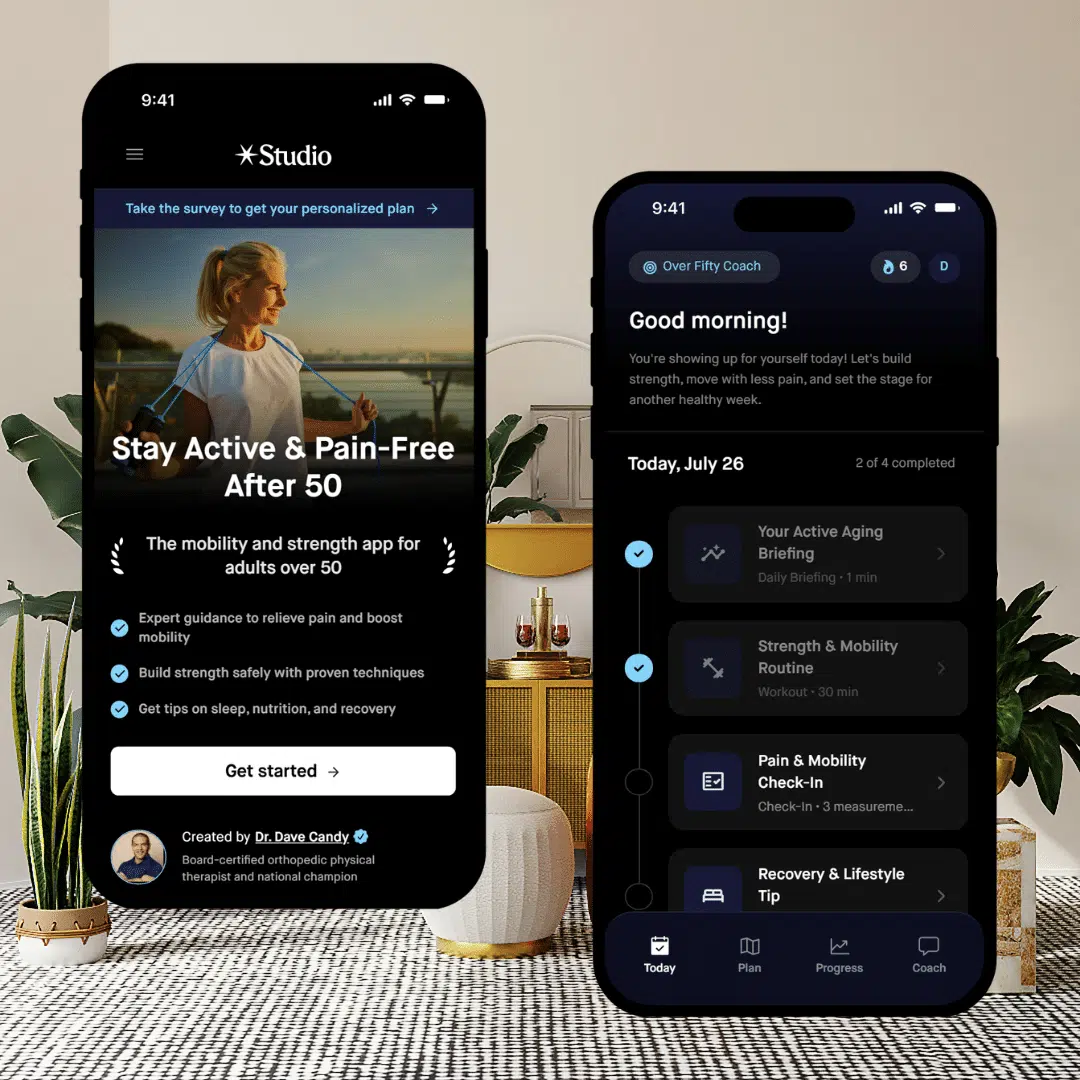
Need Help To Stay Strong and Mobile After 50?
Affiliate Disclosure: This post contains affiliate links to Amazon and/or other sites. While I only recommend products that I trust, as an Amazon Associate, I earn commission from qualifying purchases at no extra cost to you.
Medical Disclaimer: The content on this site is for educational and informational purposes only and is not intended as medical advice. Always consult with a qualified healthcare professional before beginning any new exercise program, diet, or supplement regimen, especially if you have pre-existing health conditions.