
Understanding Knee Popping: Causes and Solutions
If you have a knee that pops, it can be a cause for concern. Many individuals wonder what causes this phenomenon and whether it signals a serious problem. In this article, we’ll explore the reasons behind a popping knee and provide actionable tips to manage any associated pain.
What Causes a Knee That Pops?
Knee popping can stem from various factors, which can generally be categorized as internal or external to the knee joint. Understanding these causes is crucial for deciding how to address the issue.
Internal Causes of Knee Popping
Internal knee popping may arise from issues within the joint itself, such as:
- Torn Meniscus: This injury can lead to a locking sensation in the knee, which may be accompanied by popping sounds.
- Arthritis: As cartilage wears down, it can cause the bones to grind against each other, resulting in popping or clicking noises.
If you experience popping without pain or locking, it may not be serious. However, if you do have pain along with the popping, it’s essential to seek solutions.
External Causes of Knee Popping
External popping is often linked to the iliotibial (IT) band, a tendon that runs along the outside of your leg. When the IT band rubs against the knee as you bend and straighten it, particularly around a 30-degree angle, it can produce a popping sound. This is commonly seen in conditions like IT band syndrome.
Another external factor could be the position of your kneecap. If it is misaligned and not tracking correctly in its groove, it can also lead to popping sounds during movement.
How to Manage a Popping Knee
Regardless of whether your knee popping is internal or external, there are several strategies you can implement to alleviate discomfort and improve function.
Strengthening Hip Muscles
Strengthening the muscles around your hips can significantly impact your knee’s stability. Exercises like single-leg stands help improve balance and reduce unwanted side-to-side movement, thereby minimizing the chances of your knee popping.
Stretching Calf Muscles
Stiffness in the calf muscles can contribute to knee problems. Incorporate calf stretches into your routine to improve flexibility and reduce the likelihood of knee popping. This can help maintain proper alignment and function of the knee joint.
Tips for Daily Activities
When engaging in activities that involve your knees, such as climbing stairs or lunging, be mindful of your technique:
- Weight Distribution: Ensure you keep your weight on your heels rather than your toes while squatting or descending stairs. This shift can alleviate compression behind the kneecap and reduce popping.
- Use Proper Form: When going downstairs, let your heels lead to minimize pressure on the knee joint.
When to Seek Professional Help
If knee popping is accompanied by severe pain, swelling, or instability, it’s essential to consult a healthcare professional. Physical therapy can provide targeted treatments to address any underlying issues.
Consider Knee Braces
For those experiencing recurrent knee popping, especially with instability, a knee brace with a stabilizer can help keep the kneecap aligned and reduce discomfort. Consult with a professional for recommendations tailored to your needs.
Conclusion: Take Action for Better Knee Health
Living with a knee that pops doesn’t have to limit your mobility. By understanding the causes and implementing these strategies, you can manage symptoms effectively. Always remember to listen to your body and seek professional advice when necessary.
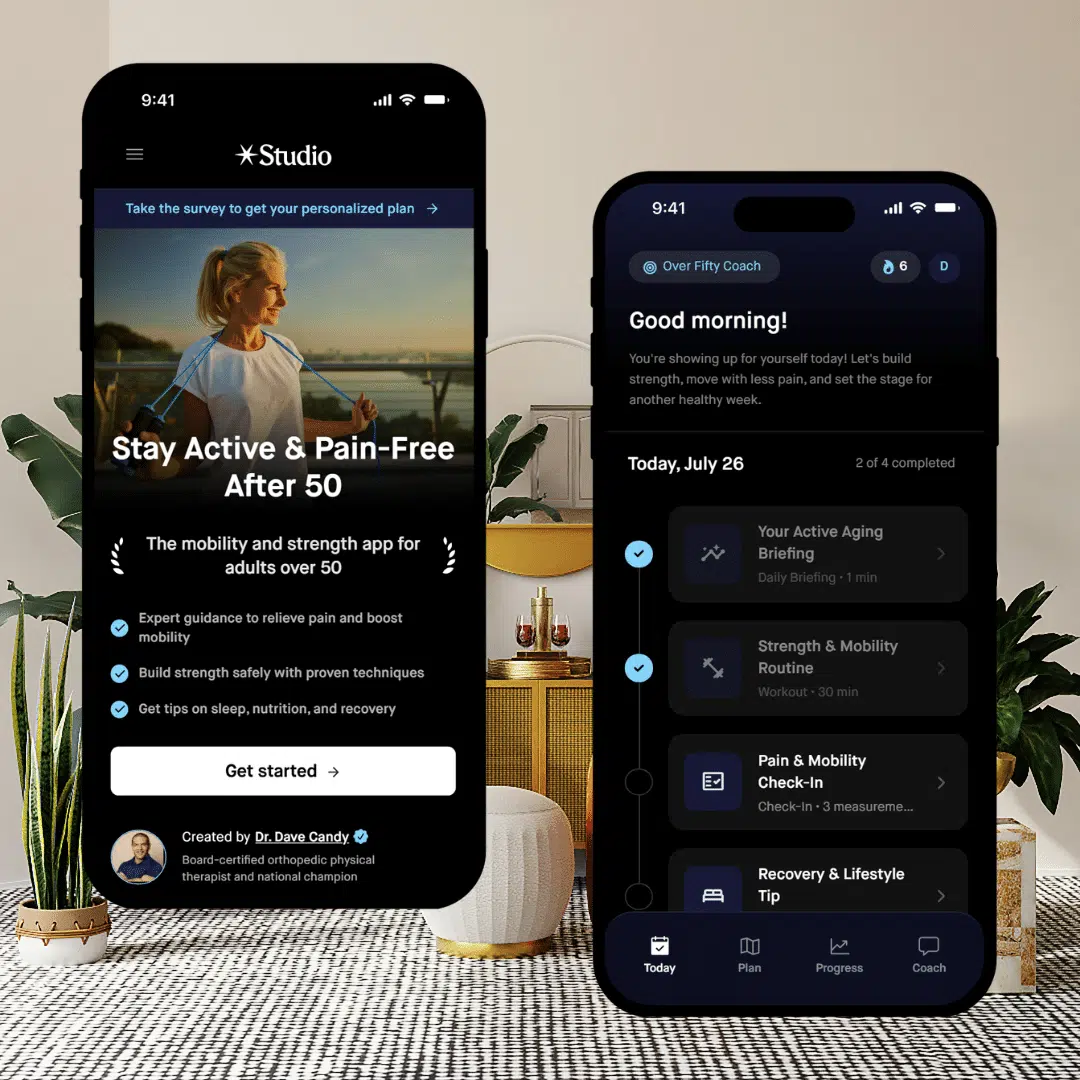
Need Help To Stay Strong and Mobile After 50?
Affiliate Disclosure: This post contains affiliate links to Amazon and/or other sites. While I only recommend products that I trust, as an Amazon Associate, I earn commission from qualifying purchases at no extra cost to you.
Medical Disclaimer: The content on this site is for educational and informational purposes only and is not intended as medical advice. Always consult with a qualified healthcare professional before beginning any new exercise program, diet, or supplement regimen, especially if you have pre-existing health conditions.