
Understanding Hip Labral Tears
A labral tear in the hip can be a painful and debilitating condition. The hip labrum, a cartilage structure lining the hip socket, helps to stabilize the hip joint. When this cartilage is torn, it can lead to instability and discomfort during movement.
What Causes a Labral Tear?
Labral tears can arise from a variety of factors. Common causes include:
- Traumatic injury: Events like dislocations or falls can lead to acute tears.
- Repetitive activities: Activities such as distance running or golfing can contribute to overuse injuries.
- Congenital malformations: A hip socket that is too shallow or too deep can increase the risk of injury.
- Degeneration: Conditions like osteoarthritis can wear down the labrum over time.
Recognizing Symptoms of a Labral Tear
If you suspect you have a labral tear in your hip, look out for these symptoms:
- Instability: A sensation of your hip feeling unstable during weight-bearing activities.
- Pain: Discomfort in the groin area or buttocks.
- Grinding or popping: Sensations during movement, especially when the hip is flexed.
Diagnosing a Labral Tear
To determine if you have a labral tear, it’s essential to consult with a healthcare professional. They may conduct clinical tests and recommend imaging, such as an MRI, though the latter is often only necessary if surgical options are being considered.
Treatment Options for a Labral Tear
There are two primary approaches to treating a labral tear: conservative and surgical.
Conservative Treatment
Most patients benefit from conservative options, including:
- Physical therapy: A tailored exercise program can strengthen muscles around the hip and improve stability.
- Cortisone injections: These can help reduce inflammation and pain.
- Activity modification: Avoiding activities that exacerbate symptoms is crucial.
Surgical Treatment
In cases where conservative treatment fails, arthroscopic surgery may be necessary. Recovery typically takes four to six months and often involves extensive post-operative physical therapy.
Exercises for Recovery and Prevention
Engaging in specific exercises can aid recovery and help prevent future labral tears. Focus on:
Flexibility Exercises
Improving flexibility in your hip flexors and hamstrings can alleviate unnecessary pressure on the labrum. Incorporate stretches targeting these muscle groups into your routine.
Strengthening Exercises
Strengthening the glutes and hip rotators is essential for maintaining stability. Here are a couple of effective exercises:
- Clamshells: Lie on your side and lift your top knee while keeping your feet together.
- Single-leg stands: Practice balancing on one leg to improve stability.
Conclusion: Take Action for Your Hip Health
If you suspect a labral tear in your hip, it’s crucial to seek professional evaluation and treatment. Whether through conservative methods or surgery, appropriate care can lead to recovery and a return to your regular activities. Don’t hesitate to reach out to a physical therapist for personalized guidance on exercises and rehabilitation strategies.
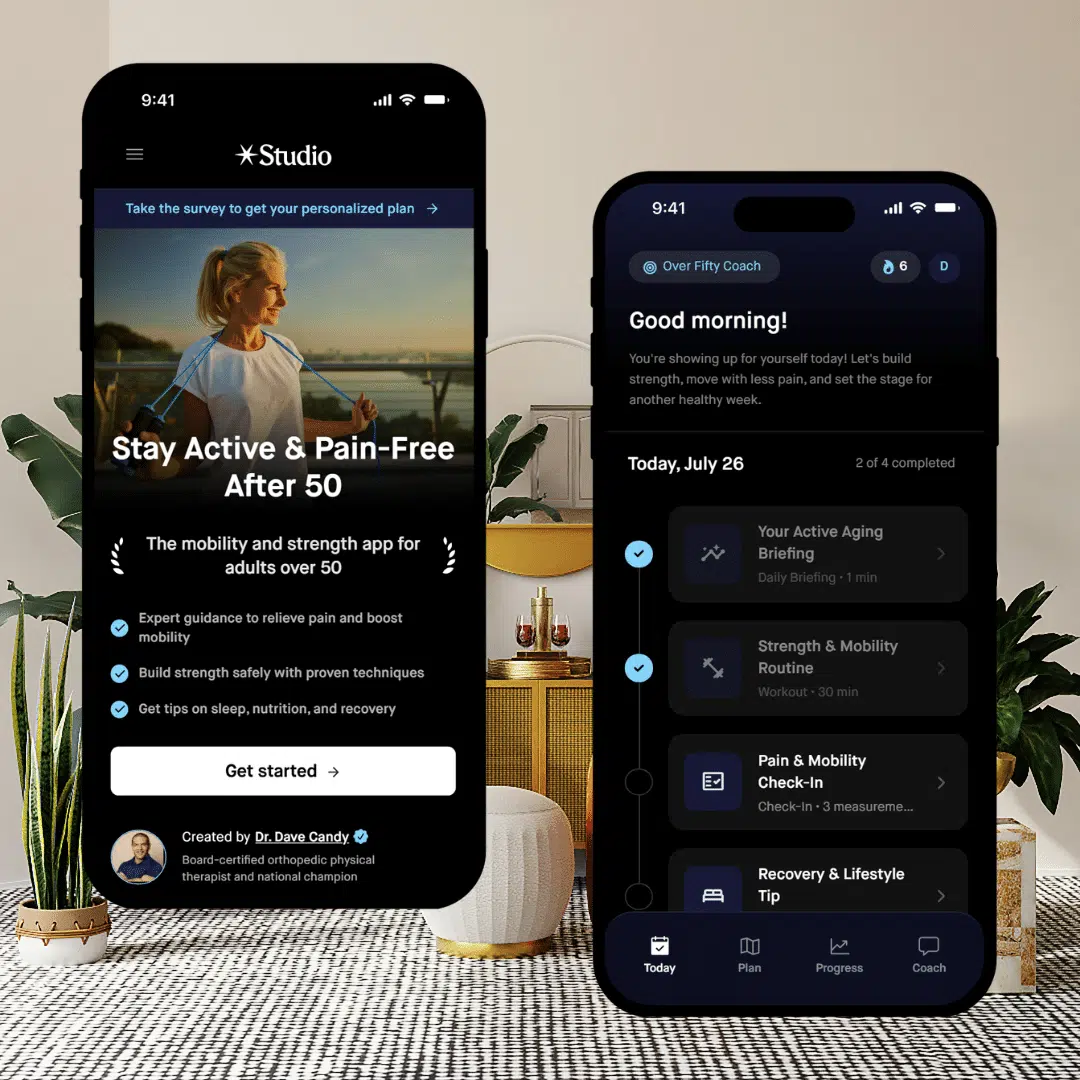
Need Help To Stay Strong and Mobile After 50?
Affiliate Disclosure: This post contains affiliate links to Amazon and/or other sites. While I only recommend products that I trust, as an Amazon Associate, I earn commission from qualifying purchases at no extra cost to you.
Medical Disclaimer: The content on this site is for educational and informational purposes only and is not intended as medical advice. Always consult with a qualified healthcare professional before beginning any new exercise program, diet, or supplement regimen, especially if you have pre-existing health conditions.