
Understanding Core Strengthening for Lower Back Pain
Core strengthening is essential for managing lower back pain effectively. The core comprises your abdominal muscles, lower back muscles, and hip muscles, all working together to stabilize your trunk. While many believe that brute strength is necessary, it’s crucial to focus on balance and function instead. Engaging in core exercises that mimic everyday activities can significantly enhance your stability and reduce pain.
The Importance of Core Balance
When assessing core strength, it’s important to understand that you may be strong in some areas and weak in others. Everyday activities utilize only about 20% of your core’s total strength, emphasizing the need for a balanced approach. By incorporating functional movements into your routine, you can improve your core’s effectiveness and alleviate lower back pain.
Best Core Strengthening Exercises
Here are seven core strengthening exercises that can help you manage your lower back pain:
1. Squats
Squats are a fantastic way to engage your core while performing a movement you do daily. Aim to maintain a neutral spine, ensuring your back is flat as you lower yourself. Avoid rounding or excessively arching your back. This exercise promotes strength and stability.
2. Deadlifts
Deadlifts are commonly misunderstood but are a fundamental movement in everyday life. They can be beneficial for your back if performed correctly. Focus on keeping a neutral spine and pushing your hips back. This helps to protect your discs and joints while strengthening your core.
3. Lunges
Lunges help improve balance and engage both the front and side of your core. When lunging, ensure your knee aligns with your toes to prevent strain. This exercise is especially useful for improving mobility and stability as you age.
4. Planks
Planks are one of the best exercises for core strengthening. They require isometric contraction, meaning your muscles stabilize without movement. Start on your hands and knees or forearms, ensuring your spine remains neutral. Gradually progress to a full plank as your strength increases.
5. Crunches
Traditional sit-ups can be detrimental due to their reliance on hip flexors. Instead, focus on crunches, which engage your abdominal muscles without putting excessive strain on your lower back. Aim for small, controlled movements that emphasize the connection between your ribcage and pelvis.
6. Leg Raises
Leg raises target your lower abdominals, which can be weaker in individuals with back pain. Ensure your lower back stays flat against the ground to prevent strain. If full leg raises prove challenging, start with knee tucks, gradually progressing to the full movement.
7. Bird Dog
The Bird Dog exercise enhances stability by challenging your core while coordinating limb movement. Focus on maintaining a neutral spine and avoid excessive arching or rotation. This exercise is excellent for developing control and strength in your lower back muscles.
Common Mistakes to Avoid
While performing core strengthening exercises, be mindful of common mistakes that can hinder progress:
- Neglecting Neutral Spine: Always strive to maintain a neutral spine during exercises to avoid unnecessary pressure on your back.
- Overdoing It: Quality over quantity is essential. Focus on proper form rather than performing numerous repetitions.
- Ignoring Body Signals: Listen to your body. If an exercise causes pain, stop and reassess your technique.
Utilizing Your Core in Everyday Life
It’s important to remember that core strengthening exercises should complement your daily activities. The way you move throughout the day can greatly influence your back pain. Focus on maintaining good posture while standing, sitting, or bending. Engaging your core during these activities can lead to better alignment and reduced discomfort.
Conclusion: Next Steps for a Healthier Back
Incorporating core strengthening exercises into your routine is a proactive step toward managing lower back pain. However, it’s equally crucial to apply these principles to your daily life. By focusing on functional movements and maintaining proper posture, you can significantly enhance your overall core stability. If you’re struggling with lower back pain, consider consulting a physical therapist for personalized guidance.
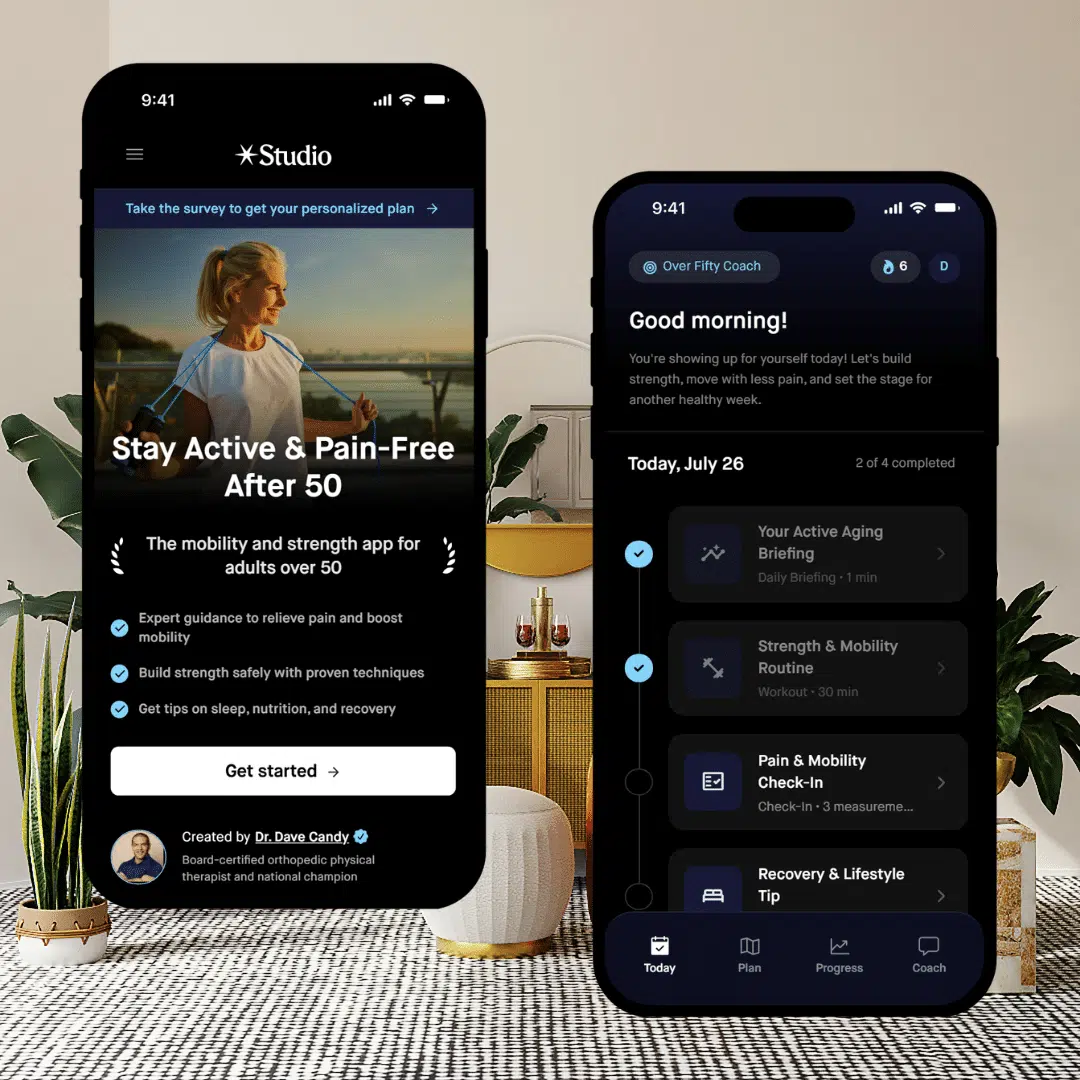
Need Help To Stay Strong and Mobile After 50?
Affiliate Disclosure: This post contains affiliate links to Amazon and/or other sites. While I only recommend products that I trust, as an Amazon Associate, I earn commission from qualifying purchases at no extra cost to you.
Medical Disclaimer: The content on this site is for educational and informational purposes only and is not intended as medical advice. Always consult with a qualified healthcare professional before beginning any new exercise program, diet, or supplement regimen, especially if you have pre-existing health conditions.