
Understanding Why Insoles Often Fail
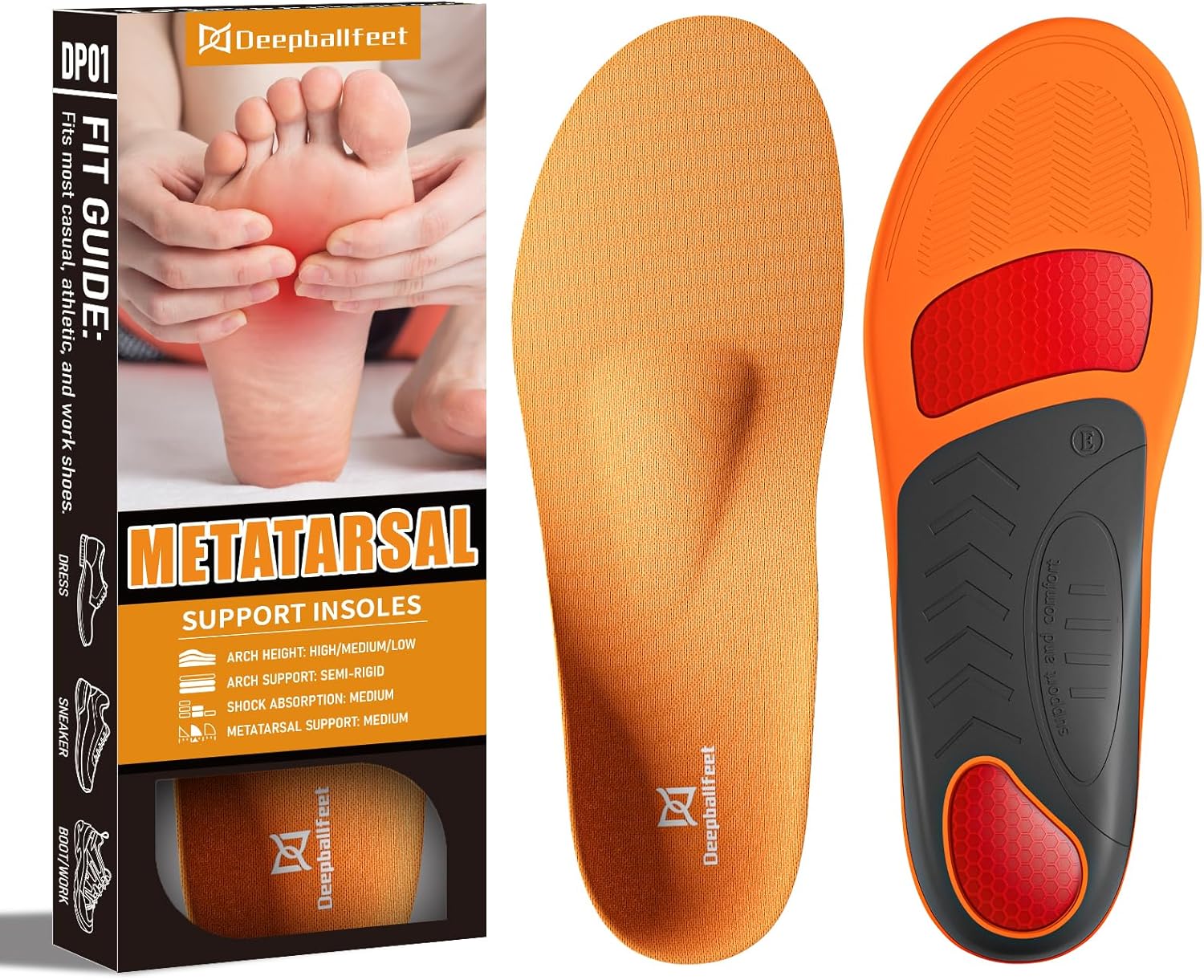
If you’ve ever purchased insoles, you might have noticed that many don’t deliver the relief you expect. Understanding why many insoles don’t help your feet can empower you to make better choices for your foot health. In this post, we will explore the common pitfalls of insoles and how to select the right support for your needs.
The Misconception About Insoles
Many people believe that any insole will provide the necessary support for their feet. However, insoles come in various shapes and materials, and not all are created equal. The misconception that all insoles serve the same purpose leads to disappointment and discomfort.
Common Issues with Insoles
Understanding the common issues can help you identify if your insoles are actually providing the support you need:
- Inadequate Arch Support: Many insoles lack proper arch support, which can lead to foot pain and exacerbate existing conditions.
- Poor Fit: If insoles don’t fit properly in your shoes, they can cause more harm than good, leading to discomfort and instability.
- Material Quality: Cheap materials may compress over time, losing their ability to provide effective support.
Signs Your Insoles Aren’t Working
Are you experiencing ongoing foot pain despite using insoles? Here are some signs that your insoles might not be effective:
- Persistent discomfort in the arch or heel
- Increased fatigue in your feet after standing or walking
- Difficulty finding a comfortable fit in shoes
Finding the Right Insoles
To ensure that your insoles effectively support your feet, consider these factors:
- Consult a Professional: A podiatrist or physical therapist can assess your foot type and recommend appropriate insoles.
- Choose Custom Options: Custom orthotics can provide tailored support based on your specific foot structure and needs.
- Test Before You Commit: Many stores allow you to try insoles before purchasing. Take advantage of this to find the right fit.
Types of Insoles to Consider
When looking for effective support, consider these options:
- Gel Insoles: These are great for cushioning but may not provide the necessary support for everyone.
- Orthotic Insoles: Designed to support the foot’s natural alignment, these are ideal for those with specific foot issues.
- Sport-Specific Insoles: If you’re an athlete, look for insoles designed for your particular sport to provide adequate support during activity.
Next Steps for Foot Health
Improving your foot health goes beyond just choosing the right insoles. Here are some actionable steps to take:
- Evaluate your footwear: Ensure your shoes fit well and are appropriate for your activities.
- Incorporate foot exercises: Strengthening your feet can improve overall support and reduce pain.
- Stay informed: Keep learning about foot health and the latest advancements in supportive footwear.
By understanding why many insoles don’t help your feet and taking proactive steps, you can enhance your foot health and comfort.
Need Help To Stay Strong and Mobile After 50?
Affiliate Disclosure: This post contains affiliate links to Amazon and/or other sites. While I only recommend products that I trust, as an Amazon Associate, I earn commission from qualifying purchases at no extra cost to you.
Medical Disclaimer: The content on this site is for educational and informational purposes only and is not intended as medical advice. Always consult with a qualified healthcare professional before beginning any new exercise program, diet, or supplement regimen, especially if you have pre-existing health conditions.