
Understanding the Causes of Limping
If you find yourself limping when you walk, it’s essential to understand the underlying causes. While many believe that limping indicates pain, this is often a misconception. The most common reason for limping is actually muscle weakness, particularly in the hip abductors, rather than pain from an injury like an ankle sprain or sore knee.
Recognizing the Trendelenburg Gait
One prevalent pattern of limping is known as the Trendelenburg gait. This occurs when there is weakness in the hip abductor muscles, specifically the gluteus medius and minimus. These muscles play a crucial role in stabilizing the pelvis when standing on one leg. When they are weak, gravity pulls the pelvis down, causing a side-to-side lean.
Identifying Muscle Weakness
The direction of your lean can reveal the severity of the weakness. A slight lean indicates less severe weakness, while a more pronounced lean suggests that compensatory mechanisms are at play. Understanding these patterns is vital in addressing the issue effectively.
Three Simple Fixes to Improve Your Walk
Here are three actionable strategies to help you reduce or eliminate your limp:
1. Use a Cane for Support
The quickest way to stop limping is to use a cane in the opposite hand of your weak leg. While this is a temporary solution, it can help alleviate the strain on your muscles. Ensure the cane is the right height, allowing for a 20 to 30-degree bend in your elbow. Move the cane in conjunction with your weak leg to maintain balance.
2. Strengthening Exercises
Strengthening your hip abductor muscles is essential for long-term improvement. Here are two effective exercises:
Standing Balance
Stand on one leg and focus on keeping your pelvis level. Ideally, do this in front of a mirror to monitor your form. Initially, you can use a chair for support. Aim to hold this position for 10 seconds or longer as you build strength.
The Clam Exercise
Lie on your side with your knees bent. Keeping your body slightly rolled forward, lift your top knee while squeezing your glutes. This exercise helps activate the gluteal muscles and can be progressed by performing it with your legs straight.
Next Steps for Improvement
Improving your walk requires patience and consistency. It may take two months or more to strengthen your hip abductors adequately. Remember that using a cane is a temporary fix; the goal is to strengthen your muscles to regain normal walking patterns.
As you work on these strategies, remain aware of your body mechanics and consider consulting a physical therapist for personalized guidance. This can help ensure that you are on the right track and prevent further complications.
Conclusion
Limping can be a complex issue, but with the right understanding and exercises, it is possible to regain a normal walking pattern. Start by implementing these three simple fixes and be proactive in your recovery journey.
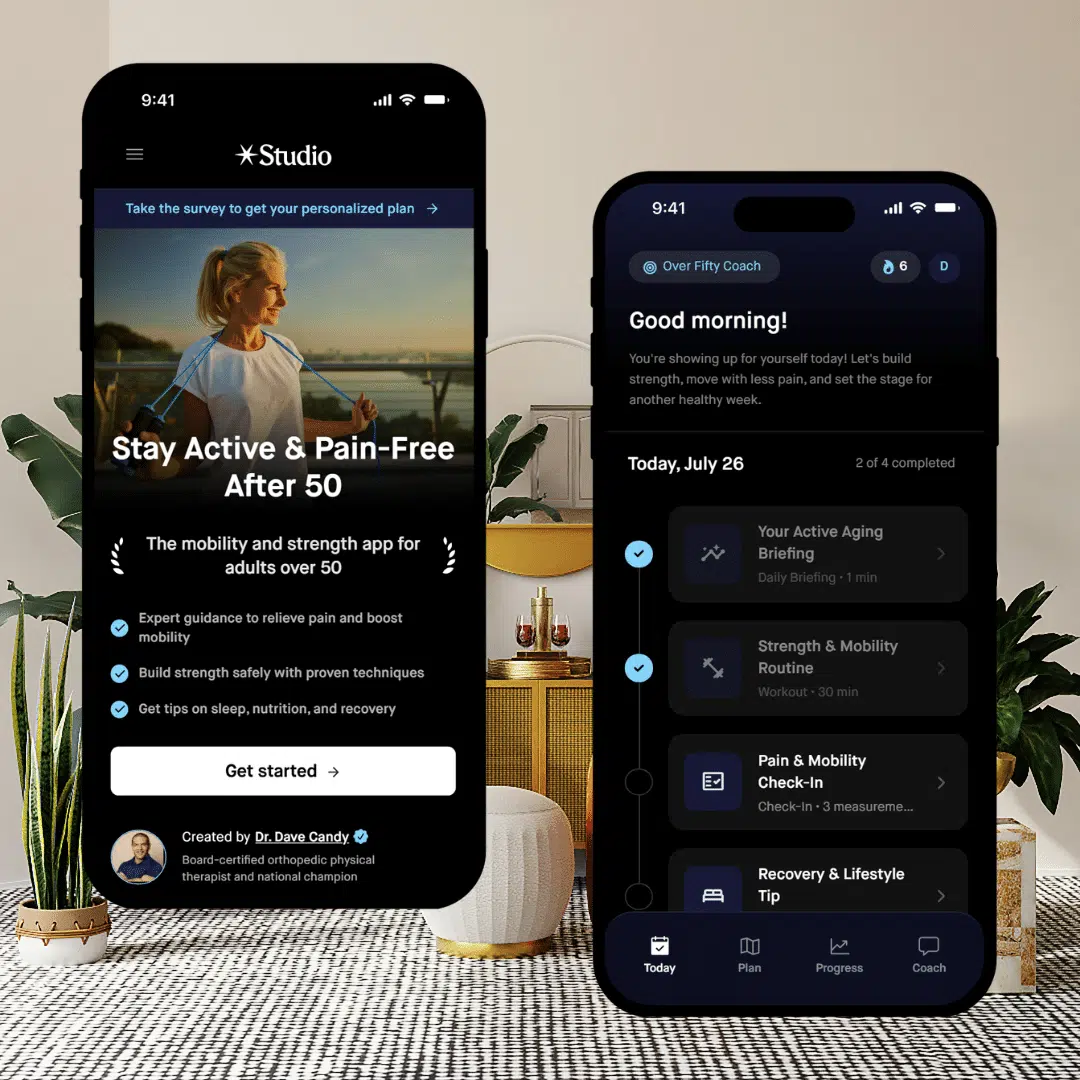
Need Help To Stay Strong and Mobile After 50?
Affiliate Disclosure: This post contains affiliate links to Amazon and/or other sites. While I only recommend products that I trust, as an Amazon Associate, I earn commission from qualifying purchases at no extra cost to you.
Medical Disclaimer: The content on this site is for educational and informational purposes only and is not intended as medical advice. Always consult with a qualified healthcare professional before beginning any new exercise program, diet, or supplement regimen, especially if you have pre-existing health conditions.