
Introduction to Weightlifting Belts
Choosing the best weightlifting belt can significantly impact your performance and safety in the gym. With various options available, including nylon, leather, and hybrid designs, it’s crucial to understand the pros and cons of each type. This guide will help you make an informed decision based on your lifting goals and needs.
What Does a Weightlifting Belt Do?
Many believe that weightlifting belts primarily protect your back, but their function extends beyond that. Rather than acting as a back brace, weightlifting belts help you engage your abdominal muscles to create intra-abdominal pressure. This pressure is essential for stabilizing your spine during heavy lifts, allowing you to lift more safely and effectively.
Common Misconceptions
It’s important to note that wearing a weightlifting belt can provide a false sense of security. While they can enhance support, they do not replace the need for proper lifting technique and muscle engagement.
Types of Weightlifting Belts
When selecting a weightlifting belt, consider the following types:
Nylon Belts
Nylon belts are ideal for those who prioritize mobility. These belts are lightweight and flexible, making them suitable for Olympic lifts like cleans and snatches. They usually feature a Velcro closure, allowing for easy adjustments. However, they may not provide the same level of support as leather belts.
Leather Belts
Leather belts are often favored for their durability and support, particularly among powerlifters. A standard leather belt is typically 10 mm thick, providing excellent stability for heavy lifts. However, they can be less adjustable than nylon belts. When selecting a leather belt, look for one that is uniformly wide, ideally around 4 inches, to ensure even support across your abdomen.
Hybrid Belts
Hybrid belts combine the benefits of leather and nylon. They often feature a leather body with a Velcro closure, providing both strength and flexibility. These belts are designed for versatility, catering to both CrossFit enthusiasts and those who lift heavy weights in the gym.
Single-Prong and Double-Prong Belts
Single-prong belts are easier to fasten than double-prong belts, which can be cumbersome. For most gym-goers, a single-prong belt is sufficient, offering the support needed without the hassle of adjusting two prongs.
Lever Belts
Lever belts are designed for maximum support and are popular among competitive powerlifters. They feature a lever mechanism that allows for quick adjustments and a secure fit. However, they may not be permitted in all competition settings, so check the regulations of your specific federation.
How to Choose the Right Weightlifting Belt
When selecting the best weightlifting belt for your needs, consider the following factors:
- Your Lifting Goals: Are you lifting for general fitness, powerlifting, or Olympic weightlifting? Your goals will dictate the type of belt you need.
- Fit and Comfort: Ensure the belt fits snugly without being overly restrictive. It should allow you to brace effectively without limiting your movement.
- Material: Decide between nylon and leather based on your need for mobility versus support.
- Adjustability: Consider how easy it is to adjust the belt. Velcro belts offer infinite adjustability, while leather belts may require specific sizing.
Conclusion
In summary, the best weightlifting belt for you depends on your individual lifting style and goals. For general use, a nylon belt may provide enough support while allowing for mobility. If you are serious about powerlifting, consider investing in a thicker leather or lever belt for maximum stability. Always prioritize proper lifting technique and muscle engagement, regardless of the belt you choose.
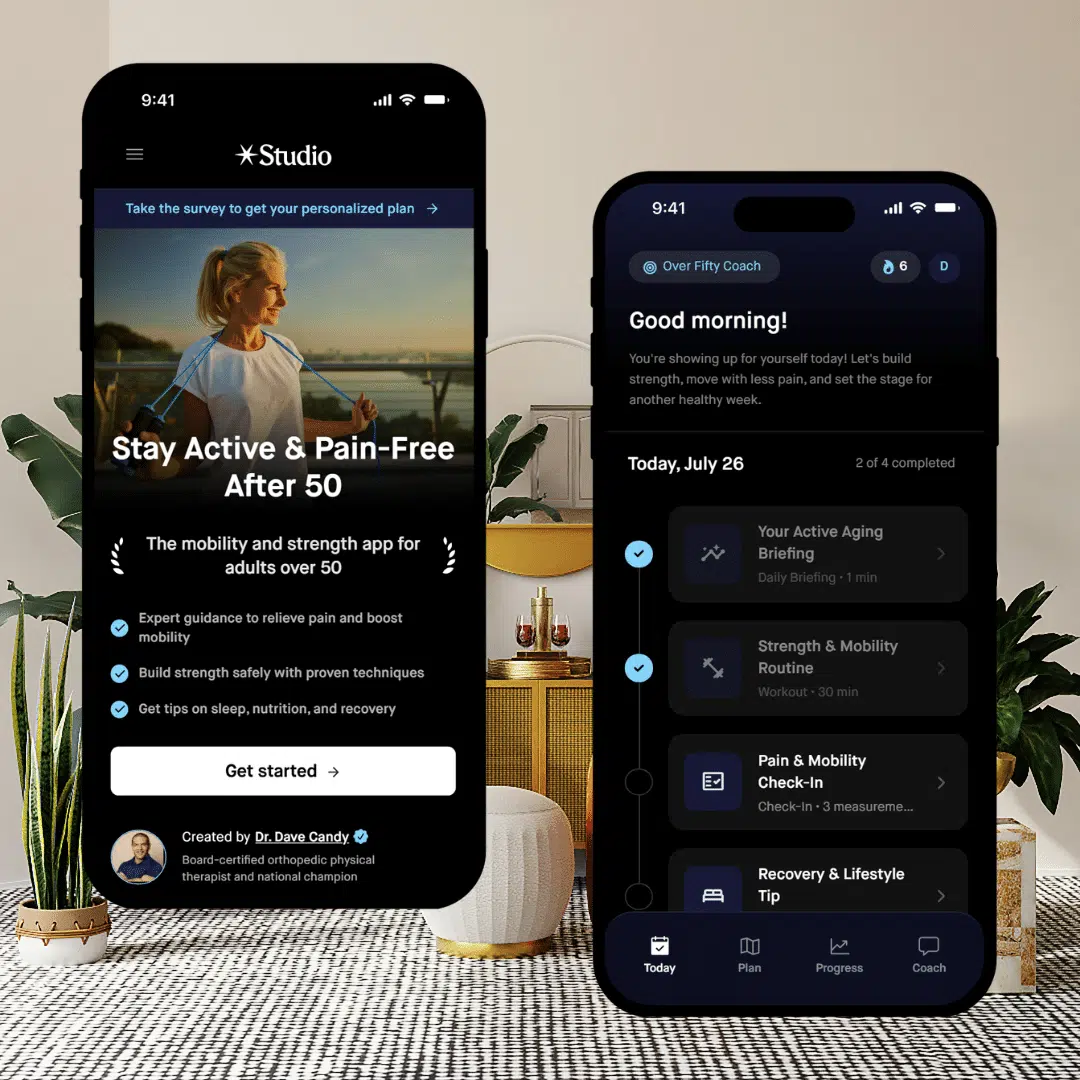
Need Help To Stay Strong and Mobile After 50?
Affiliate Disclosure: This post contains affiliate links to Amazon and/or other sites. While I only recommend products that I trust, as an Amazon Associate, I earn commission from qualifying purchases at no extra cost to you.
Medical Disclaimer: The content on this site is for educational and informational purposes only and is not intended as medical advice. Always consult with a qualified healthcare professional before beginning any new exercise program, diet, or supplement regimen, especially if you have pre-existing health conditions.