
Understanding Stiffness After 50
If you’re over 50, you may notice increased stiffness when getting up in the morning or after prolonged sitting. While many attribute this discomfort to aging, the reality is more nuanced. Stiffness is less about age and more about cellular changes in your tissues. Therefore, understanding the reasons behind this sensation can help you combat it effectively.
Why Do We Experience Stiffness?
As we age, our hormone levels, particularly testosterone and estrogen, decline. This reduction affects the activity of fibroblasts, the cells responsible for producing collagen. Additionally, estrogen plays a crucial role in producing hyaluronic acid, which is essential for keeping our tissues lubricated. Without these elements, we may feel like a dried-out sponge, lacking the flexibility we once had.
The Role of Sugar in Stiffness
One significant factor contributing to stiffness is elevated blood sugar levels. Chronic high blood sugar can lead to a process called glycation, where excess sugar binds to proteins in the body. This forms advanced glycation end products (AGEs), which stiffen collagen fibers, making them less pliable. Reducing sugar intake can help control your AGEs and improve your overall tissue health.
Managing Stress for Better Flexibility
Stress also plays a vital role in our physical condition. When we experience stress, our body releases cortisol, which can lead to stiffness. High cortisol levels encourage the breakdown of body tissues instead of their repair. Therefore, managing stress through techniques such as deep breathing, meditation, or spending time in nature can significantly improve your mobility.
Diet and Its Impact on Joint Health
A balanced diet rich in the necessary nutrients is crucial for maintaining flexibility. To support collagen production, ensure you consume adequate protein, particularly amino acids like glycine and proline. Furthermore, vitamins C, copper, and zinc are essential for collagen synthesis. If your diet lacks these nutrients, consider taking a collagen supplement or a multivitamin.
The Importance of Movement
Regular movement is vital for keeping your tissues hydrated and flexible. Just like a dried sponge needs water to regain its pliability, your body requires movement to increase circulation and hydrate your tissues. Start your day with gentle movements, such as swinging your legs or performing shoulder circles. These simple actions can significantly enhance your mobility.
Rethinking Stretching Techniques
Many people rely on traditional static stretching to alleviate stiffness, but this approach may not be effective for everyone. Stretching too quickly can trigger a protective reflex in your muscles, causing them to contract. Instead, focus on eccentric strengthening exercises, which involve slow, controlled movements that stretch and strengthen your muscles simultaneously. For example, try a Romanian deadlift or a deep squat with a pause at the bottom.
Aerobic Activity for Enhanced Mobility
Aerobic exercise is not only beneficial for heart health—it also promotes circulation throughout your body, helping to maintain tissue mobility. Activities like walking, swimming, or cycling raise your core body temperature, aiding the effectiveness of hyaluronic acid, making it act like a lubricant for your tissues.
Practical Steps to Combat Stiffness
- Reduce sugar intake to lower AGEs.
- Manage stress through mindfulness practices.
- Maintain a balanced diet rich in proteins and essential vitamins.
- Incorporate regular movement into your daily routine.
- Focus on eccentric strengthening exercises instead of static stretching.
- Engage in regular aerobic activities.
Conclusion
Feeling stiff after 50 doesn’t have to be your reality. By focusing on diet, movement, and stress management, you can combat stiffness effectively. Take control of your health and mobility—because aging doesn’t mean you have to give in to discomfort.
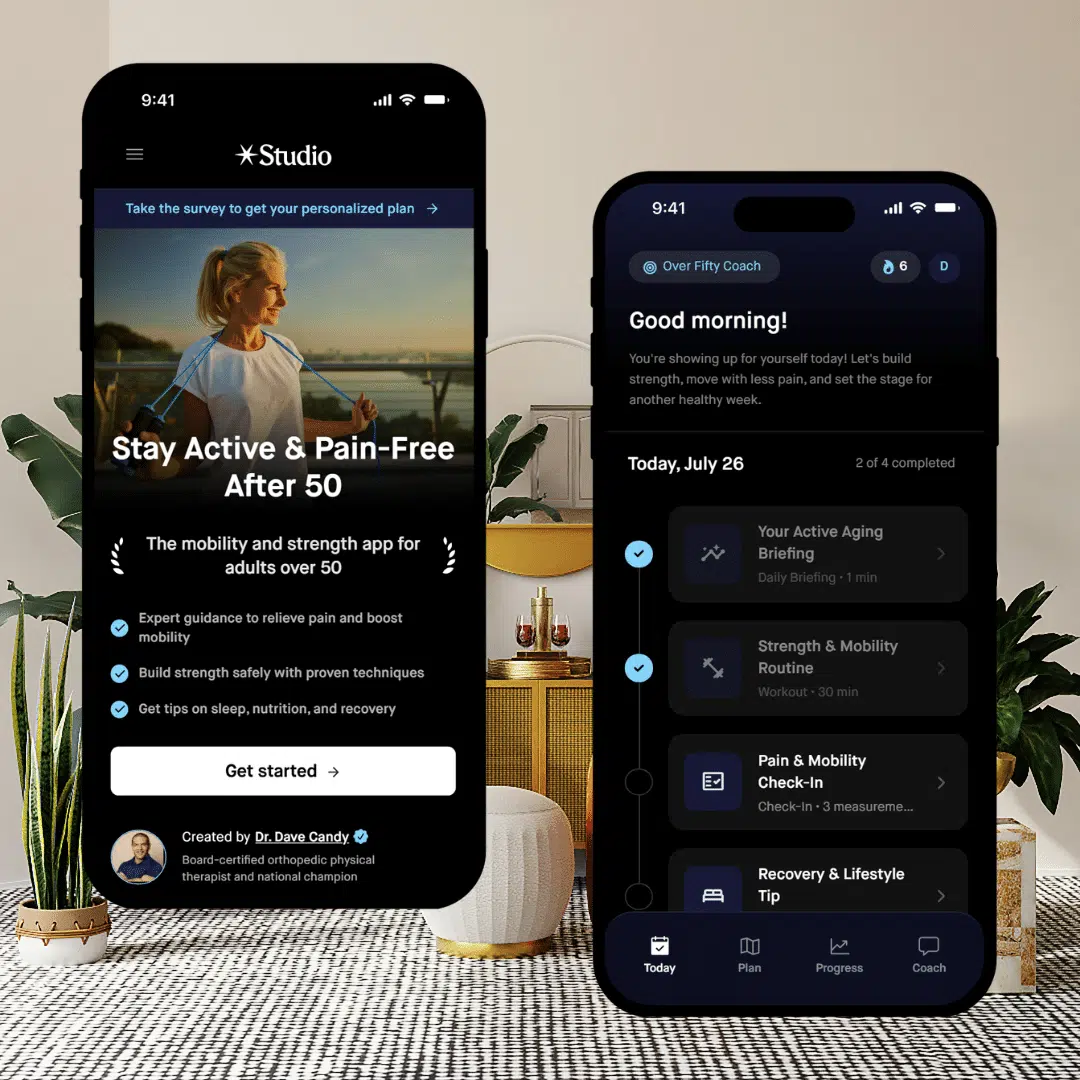
Need Help To Stay Strong and Mobile After 50?
Affiliate Disclosure: This post contains affiliate links to Amazon and/or other sites. While I only recommend products that I trust, as an Amazon Associate, I earn commission from qualifying purchases at no extra cost to you.
Medical Disclaimer: The content on this site is for educational and informational purposes only and is not intended as medical advice. Always consult with a qualified healthcare professional before beginning any new exercise program, diet, or supplement regimen, especially if you have pre-existing health conditions.