
Introduction
If you’re trying to lose fat, build muscle, or both, relying solely on a scale can mislead your progress. A scale only provides your weight, failing to differentiate between fat, muscle, and water content. To effectively track your fitness journey, you need to measure body composition. This article will guide you through understanding body composition and how to accurately measure it.
The Importance of Body Composition
Body composition refers to the ratio of fat mass to lean mass in your body. Unlike weight alone, which can fluctuate due to various factors, body composition offers a more accurate picture of your health and fitness status. Knowing your body composition helps you understand the effectiveness of your diet and exercise regimen.
Gold Standard Measurement Techniques
Two of the most reliable methods for measuring body composition are:
- DEXA Scans: Dual-Energy X-ray Absorptiometry scans are considered the gold standard for body composition analysis. However, they can be expensive, often costing over $100 per scan.
- 4C Method: This involves combining DEXA with air displacement methods like the BOD POD and medical-grade bioelectrical impedance analysis (BIA). This method is typically found only in research settings.
At-Home Alternatives
While professional methods are the most accurate, there are convenient at-home options to estimate body fat percentage. Smart scales, which utilize BIA technology, can offer insights but may lack accuracy as they typically measure only through your feet.
Introducing the Huma Health Pod
The Huma Health Pod is a revolutionary tool that allows you to measure your body composition from the comfort of your home. By using the same technology as the InBody machine found in gyms, it offers reliable results without the hefty price tag. With a cost of approximately $229, it’s a more accessible option compared to DEXA scans and other commercial machines.
To use the Huma Pod, simply connect it to a free app on your phone, step onto the body analyzer, and hold on to the handle. It collects data from eight different frequency sensors to calculate not just your weight, but also 40 different health metrics, including muscle mass, visceral fat percentage, total body water, and metabolic age.
Understanding Your Measurements
Once you have your results, it’s essential to interpret them correctly. Keep in mind that BIA readings can fluctuate based on hydration levels. For the most consistent results, measure yourself at the same time each day, preferably first thing in the morning.
Tracking Trends Over Time
Don’t be alarmed by small daily fluctuations in your body fat percentage. Instead, focus on the overall trends over weeks or months. This long-term perspective can provide valuable insights into your body composition changes and help you adjust your fitness strategies accordingly.
Alternatives to the Huma Pod
If the Huma Pod isn’t suitable for you, there are other options available:
- DEXA Scans: As mentioned, DEXA scans are highly accurate but expensive and time-consuming.
- InBody Machines: Although more accurate than standard smart scales, they are costly and designed for commercial use.
- Withings Body Scan: Another home analyzer that offers body composition measurements but at a higher price point of $500 to $600.
Conclusion
For anyone serious about losing fat or building muscle, tracking body composition is far more informative than just monitoring weight. The Huma Health Pod provides an accessible, cost-effective, and accurate way to measure your body composition at home. By understanding your body’s fat and muscle distribution, you can make informed decisions about your health and fitness journey. Start measuring today to see real progress!
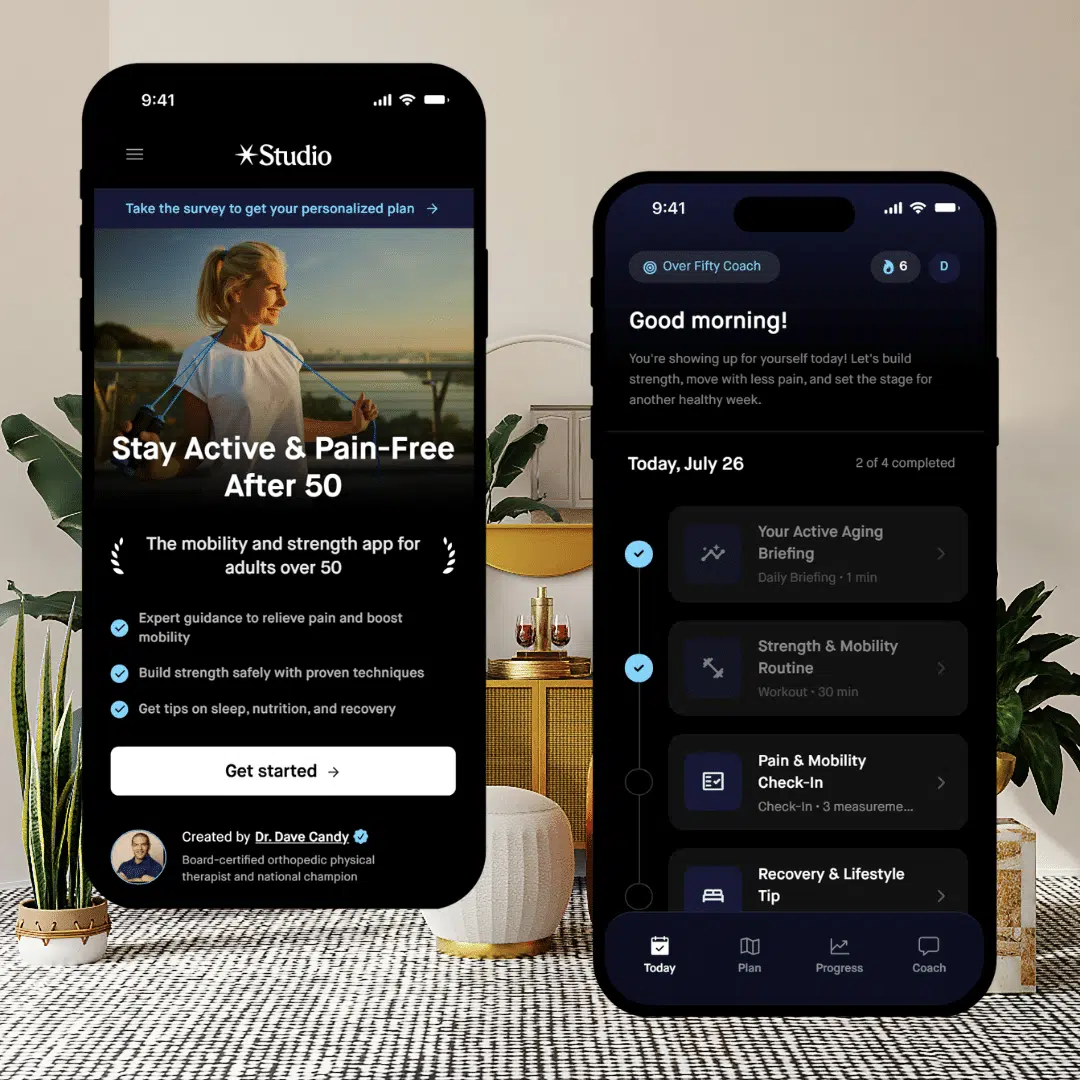
Need Help To Stay Strong and Mobile After 50?
Affiliate Disclosure: This post contains affiliate links to Amazon and/or other sites. While I only recommend products that I trust, as an Amazon Associate, I earn commission from qualifying purchases at no extra cost to you.
Medical Disclaimer: The content on this site is for educational and informational purposes only and is not intended as medical advice. Always consult with a qualified healthcare professional before beginning any new exercise program, diet, or supplement regimen, especially if you have pre-existing health conditions.