
Understanding Tendon Training
Tendon training has recently gained significant attention in the fitness community, often promoted as a miracle solution for strength gains and joint health. However, many of these claims are misleading. In this post, we will explore the science behind tendon training and clarify what truly strengthens your tendons.
The Science Behind Tendons
Tendons connect muscles to bones and are integral to movement. They cannot be trained separately from the muscles they are attached to. Research shows that lifting weights is one of the most effective methods to strengthen tendons. This process involves applying mechanical loads to both muscles and tendons to stimulate collagen production, making them thicker and stronger.
Effective Tendon Training Methods
To effectively strengthen your tendons, you must expose them to high mechanical loads, typically ranging from 70% to 85% of your one-repetition maximum (1RM). This range is similar to that used in strength training. If you are already lifting heavy weights, specialized exercises for tendon training may not be necessary.
Isometric and Isotonic Exercises
While isometric exercises can help strengthen tendons, they alone may not be sufficient. The key is to ensure that the load applied exceeds just your body weight. Whether you perform isometric or isotonic movements, the total load and time under tension are paramount.
For isometric exercises, aim for approximately 3.5 to 4 minutes of total training time per tendon per session. This can be achieved with five rounds of 45-second holds, incorporating rest periods of two to three minutes between each round.
Specific Exercises for Common Tendon Issues
If you have irritated or slightly injured tendons, specific exercises can help. Here are examples that target the Achilles tendon, patellar tendon, rotator cuff, and lateral epicondyle (tennis elbow).
Achilles Tendon Training
A historically popular approach is the Alfredson protocol, which involves eccentric training. However, recent findings suggest that heavy slow resistance training or isometric holds may be more effective. Utilize a Smith machine to safely load the tendon without worrying about balance.
For an isometric exercise, perform a single-leg heel raise for 45 seconds, aiming for 70-85% of your 1RM. Rest for two to three minutes and repeat for five sets.
Patellar Tendon Strengthening
For the patellar tendon, wall sits are often suggested, but they may not provide sufficient load. Instead, incorporate heavier weights with your Smith machine. Start with an isometric hold at a 60-degree angle for 45 seconds, followed by resting and repeating for five sets.
Rotator Cuff Exercises
The rotator cuff consists of four muscles, with the supraspinatus being the most prone to injury. For isometric training, press against a door frame or use a Smith machine for resistance. Hold this position for 45 seconds, resting adequately between sets.
Wrist Extensor Strengthening
For tennis elbow, perform an isometric hold with your wrist in an extended position. Maintain this position for 45 seconds, resting between sets. Follow this with heavy slow resistance training, focusing on controlled upward and downward motions.
Conclusion: Take the Next Step in Your Training
Understanding the science behind tendon training can enhance your strength training regimen and help prevent injuries. Most individuals do not require specific tendon exercises if they engage in heavy strength training. However, if you experience tendon discomfort, applying the methods discussed can promote healing and strength.
Incorporate these exercises into your routine to improve tendon strength and overall performance. Always consult with a healthcare professional or physical therapist if you have concerns about tendon injuries.
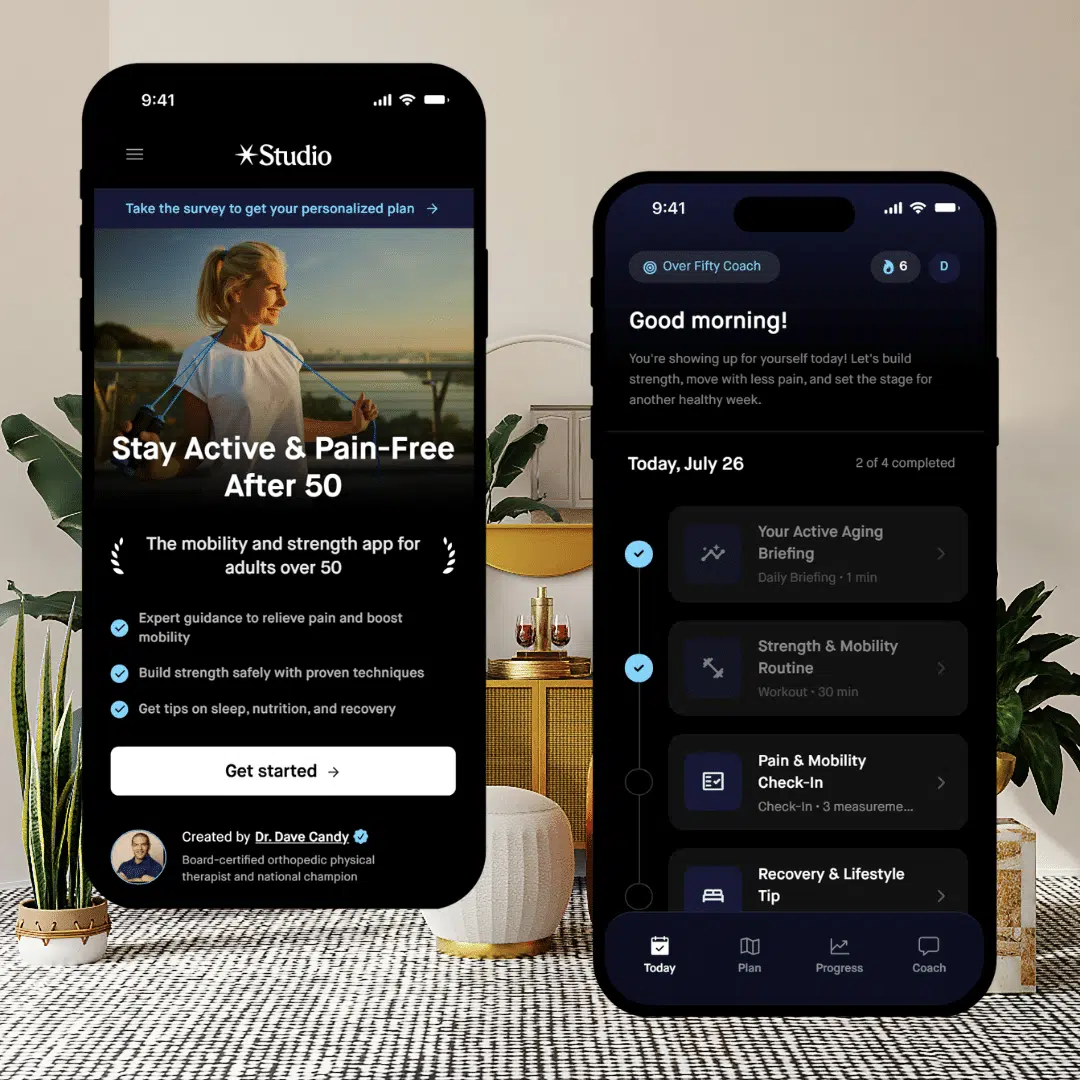
Need Help To Stay Strong and Mobile After 50?
Affiliate Disclosure: This post contains affiliate links to Amazon and/or other sites. While I only recommend products that I trust, as an Amazon Associate, I earn commission from qualifying purchases at no extra cost to you.
Medical Disclaimer: The content on this site is for educational and informational purposes only and is not intended as medical advice. Always consult with a qualified healthcare professional before beginning any new exercise program, diet, or supplement regimen, especially if you have pre-existing health conditions.