
Understanding Back Pain: The Core Strength Myth
Many individuals suffering from lower back pain are often advised to strengthen their core muscles. While core strength is important, it is rarely the root cause of back pain. In this post, we’ll explore why a weak core might not be your problem and what you can do instead to alleviate your discomfort.
The Real Causes of Lower Back Pain
When you experience persistent back pain, it’s essential to consider factors beyond just muscle strength. Research indicates that most daily activities utilize only about 5-10% of your core’s maximum capacity. This means that if you’re feeling pain while standing, sitting, or even lying down, the underlying issue may not be muscle weakness but rather fatigue and overuse of your stabilizing muscles.
Muscle Fatigue vs. Weakness
Many people misinterpret muscle fatigue for weakness. When your body is held in the same position for extended periods, your smaller stabilizing muscles tire out, placing excess strain on your larger muscle groups. This can lead to a phenomenon known as hypermobility, where abnormal movement occurs between vertebrae, contributing to discomfort.
Identifying Your Movement Patterns
To address back pain effectively, it’s crucial to examine your movement patterns. For example, if you struggle to bend forward or have difficulty standing up again, your back muscles may be overworked. Instead of relying solely on these muscles, try engaging your hips more effectively. Pushing your hips back while bending can significantly ease the strain on your lower back.
Improving Your Walking Technique
Many individuals experience back pain when walking due to slight rotations in their gait. This repetitive motion can cause undue stress on the spine. To correct this, place your fingers on your hip bones and focus on maintaining a stable pelvis as you walk. Developing awareness around your hip movement can lead to better stability and less discomfort.
Adjusting Your Posture
Another common contributor to lower back pain is poor posture. For instance, if you stand with an exaggerated curve in your lower back, your spinal joints are compressed, leading to increased discomfort. Instead, engage your core by tilting your hips inward and aligning your torso above your pelvis. This neutral position can provide relief and promote better spinal health.
Optimal Sitting Position
When it comes to sitting, many people maintain an upright posture that places additional strain on their back muscles. Instead, lean back into your chair and allow your spine to rest against the backrest. This helps your spine maintain a neutral position and reduces the workload on your back muscles.
Exercises for Relief
While strengthening exercises are essential, they should be tailored to your specific needs. For those experiencing hypermobility, it’s critical to focus on stabilizing and mobilizing the spine rather than solely strengthening it. Here are a couple of exercises to consider:
Thoracic Spine Mobility Exercise
Sit comfortably in a chair with your hands behind your head. While keeping your lower back pressed against the chair, gently arch your upper back. This movement should be subtle, focusing on the upper spine rather than the lower back. Aim for a few repetitions to improve mobility without straining.
Hip Flexor Stretch
For tight hip flexors, stand with your feet shoulder-width apart and gently tilt your pelvis to achieve a neutral spine. Push your hips slightly forward until you feel a gentle stretch in the front of your hip. Hold this position for about a minute on each side.
Conclusion: Next Steps for Back Pain Management
Understanding that a weak core may not be the primary cause of your back pain is the first step towards finding relief. Focus on improving your movement patterns, posture, and incorporating specific exercises into your routine. Remember, there is no one-size-fits-all solution, so consider seeking personalized advice from a healthcare professional or physical therapist. For further guidance, resources such as books and apps on back pain management can provide tailored strategies to help you regain control over your discomfort.
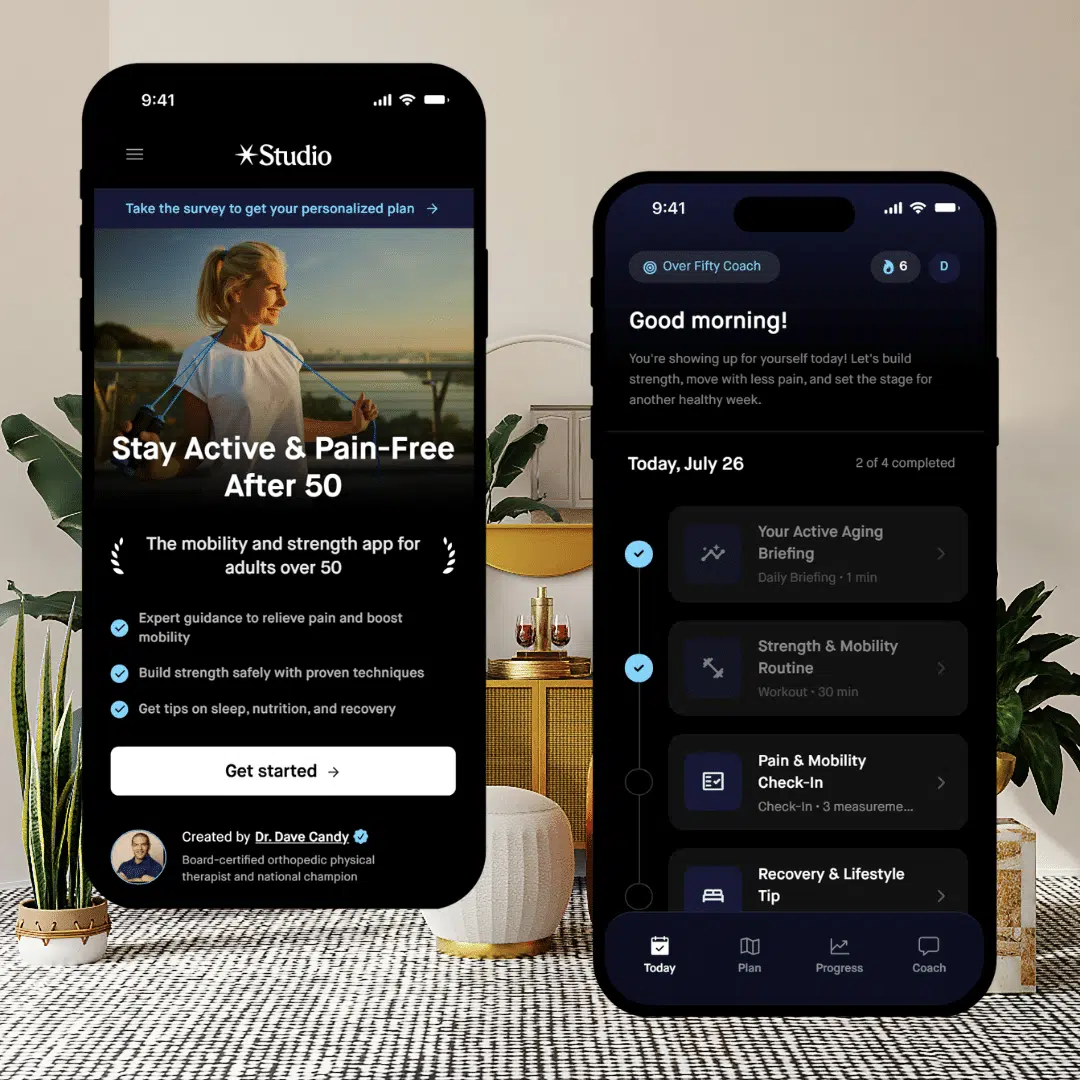
Need Help To Stay Strong and Mobile After 50?
Affiliate Disclosure: This post contains affiliate links to Amazon and/or other sites. While I only recommend products that I trust, as an Amazon Associate, I earn commission from qualifying purchases at no extra cost to you.
Medical Disclaimer: The content on this site is for educational and informational purposes only and is not intended as medical advice. Always consult with a qualified healthcare professional before beginning any new exercise program, diet, or supplement regimen, especially if you have pre-existing health conditions.