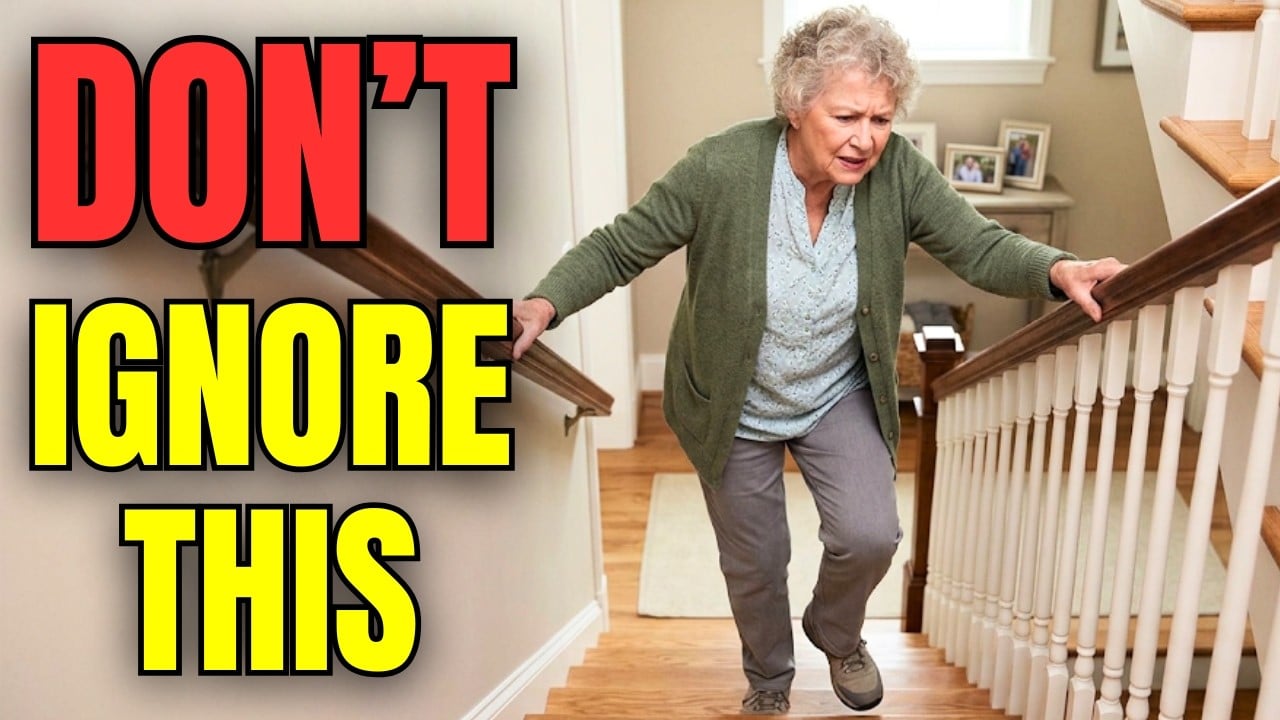
Understanding the Warning Signs
Struggling to climb stairs is more than just a daily inconvenience; it can signal a decline in physical function. Many people notice this change when simple tasks become challenging. The good news is that you can reverse this trend with targeted exercises.
Why Climbing Stairs Matters
Climbing stairs is a fundamental movement that requires strength and balance. If you find yourself avoiding stairs, this could indicate that your muscle endurance and strength have decreased significantly. Recognizing and addressing this issue early is crucial.
Getting Started with Simple Exercises
To regain your stair-climbing confidence, start with a simple routine designed to strengthen your legs. You only need to commit to one or two exercises a day. Begin with the easiest level and progress as your strength improves.
Level One: Sit to Stand
Begin with the Sit to Stand exercise. Sit at the edge of a chair, lean forward so your weight shifts over your feet, and rise without using your hands. Aim to repeat this movement as many times as possible within 30 seconds. Your goal is to reach at least 12 repetitions before moving on to the next level.
Level One: Single-Leg Balance
The second exercise focuses on balance. Stand on one leg, holding onto something for support if necessary. Aim to balance for at least 10 seconds on each leg, repeating this for 10 sets. Mastering this exercise will improve your stability, crucial for navigating stairs.
Progressing to Level Two
Once you can perform the Sit to Stand exercise comfortably and hold your balance, you can advance to more challenging movements. Level Two introduces the Half Lunge. This exercise mimics the action of climbing stairs, requiring you to lower your body without fully bending your knee.
Half Lunge Technique
For the Half Lunge, step forward and lower your back knee towards the ground, stopping a few inches above it. Aim for six repetitions per leg, completing at least five sets daily. This exercise enhances your strength for climbing stairs effectively.
Level Three: Stair Climbing Practice
Now that you’ve built strength and balance, it’s time to practice climbing stairs. Use a low step or a stair climber for this exercise. Focus on stepping up with one foot, ensuring your weight is centered over the foot on the step.
Stair Climbing Tips
As you practice, alternate feet and aim for at least six repetitions per leg. This step helps build the specific muscles used for climbing stairs, making the activity feel more natural and manageable.
Level Four: Descending with Control
Climbing stairs requires strength, while descending requires control. Practice descending stairs slowly, focusing on maintaining balance. Try using a low stair to start and gradually increase the height as you gain confidence.
Controlled Descent Technique
Ensure you have something stable to hold onto, and lower yourself with control. Aim for six repetitions per leg, gradually increasing your capacity as you become more proficient. This exercise not only builds strength but also enhances your joint stability.
Putting It All Together
As you progress through these levels, aim for at least five sets of each exercise daily. If you reach the ability to climb 12 stairs comfortably, you are well on your way to reclaiming your stair-climbing capabilities.
Next Steps for Improvement
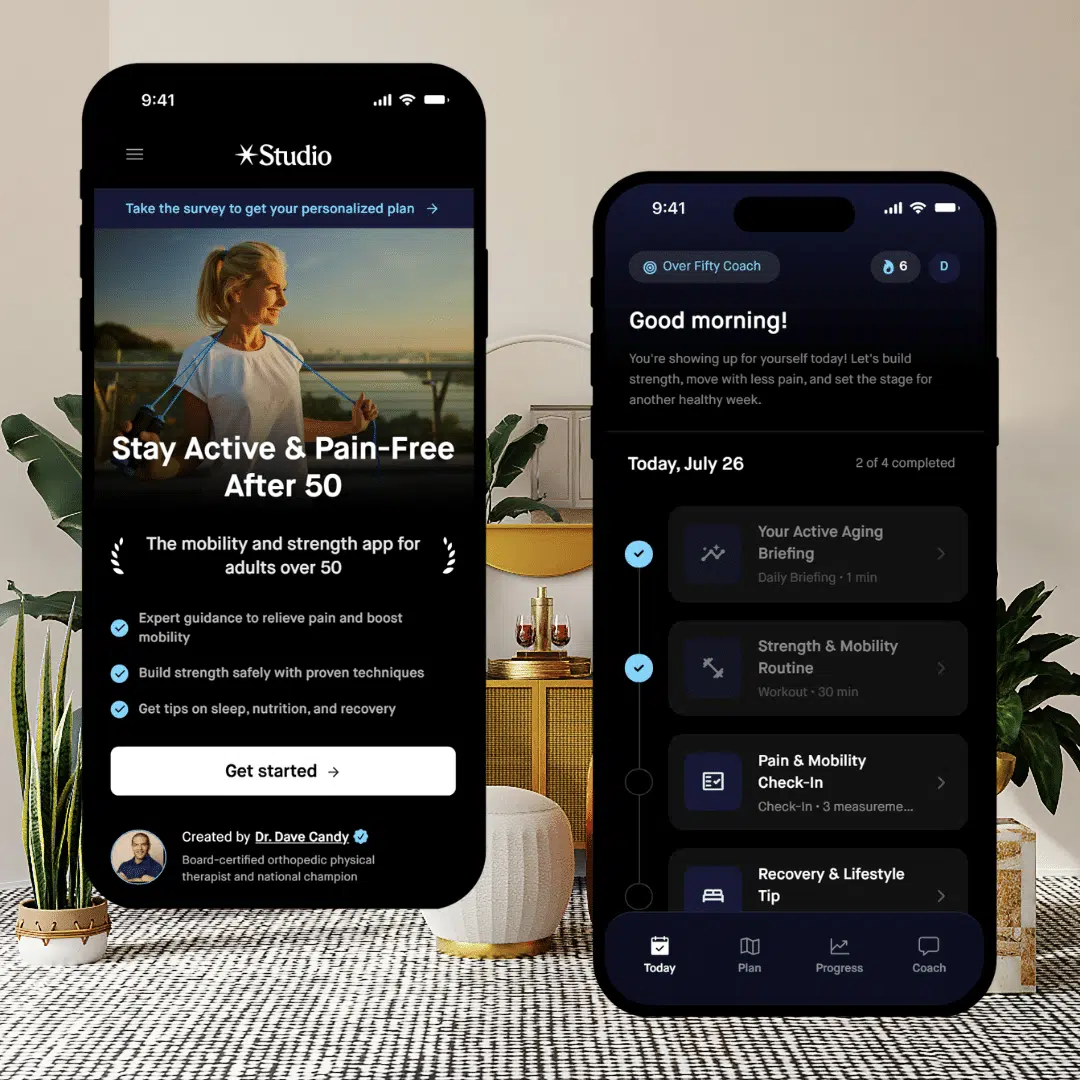
To further enhance your strength and flexibility, consider seeking assistance from fitness applications or physical therapy resources tailored to your needs. Remember, the key to climbing stairs easily is consistent practice and gradual progression.
Need Help To Stay Strong and Mobile After 50?
Affiliate Disclosure: This post contains affiliate links to Amazon and/or other sites. While I only recommend products that I trust, as an Amazon Associate, I earn commission from qualifying purchases at no extra cost to you.
Medical Disclaimer: The content on this site is for educational and informational purposes only and is not intended as medical advice. Always consult with a qualified healthcare professional before beginning any new exercise program, diet, or supplement regimen, especially if you have pre-existing health conditions.