
Understanding Spinal Stenosis
Spinal stenosis is a condition that can lead to significant discomfort, particularly when standing or walking. When transitioning from a seated to a standing position, your spine undergoes a motion called spinal extension, which can narrow the spaces where nerve roots exit the spine. This can result in back or leg pain, especially if there is a loss of disc height. Understanding this is crucial in managing your pain effectively.
3 Common Spinal Stenosis Mistakes
There are three common exercise mistakes that may be exacerbating your spinal stenosis. Let’s explore these mistakes and how to correct them.
Mistake 1: Standing Too Upright
One common mistake people make is trying to stand tall and upright. While good posture is important, too much backward bending can pinch the nerve roots in your lower back. Instead, try rolling your pelvis underneath you and tightening your abdominal muscles. This will help flatten your lower back and alleviate pain.
Mistake 2: Improper Hip Flexor Stretching
Many individuals stretch their hip flexors to alleviate lower back tension but do so incorrectly, often engaging in excessive back extension. To effectively stretch the hip flexors, perform a pelvic tilt, squeezing your glutes, and gently pushing your hips forward. This modified approach will provide a better stretch without aggravating your back.
Mistake 3: Incorrect Bridge Exercises
Bridges are excellent for strengthening muscles but can be detrimental if performed incorrectly. Avoid lifting your pelvis too high, which can cause back arching. Instead, focus on flattening your lower back against the ground, lifting only as high as your body allows without arching.
Additional Exercises to Support Spinal Health
Beyond correcting these mistakes, there are additional exercises that can help manage spinal stenosis.
Exercise 1: Lunges
To strengthen your legs without compressing your spine, lunges are an excellent alternative to squats. When performing lunges, ensure your hip, knee, and toe are aligned as you lower your body. This exercise not only strengthens the legs but also stretches the hip flexors of the back leg.
Exercise 2: Single Leg Romanian Deadlifts
This exercise involves hinging at the hips and can be performed with body weight or light weights. It’s particularly beneficial as it works on glute and hamstring strength while also enhancing balance. If needed, hold onto a chair or wall for stability during the movement.
Exercise 3: Recumbent Bike
Using a recumbent bike can be a great way to improve circulation without the strain of walking. This exercise promotes blood flow to the spine and legs, essential for nerve health. If you find walking difficult due to spinal stenosis, consider incorporating the recumbent bike into your routine.

Conclusion: Next Steps for Managing Spinal Stenosis
By correcting common exercise mistakes and incorporating these effective exercises, you can significantly manage your spinal stenosis symptoms. Always consult with a healthcare professional before starting any new exercise program to ensure it is appropriate for your specific condition. With the right approach, you can improve your mobility and reduce pain.
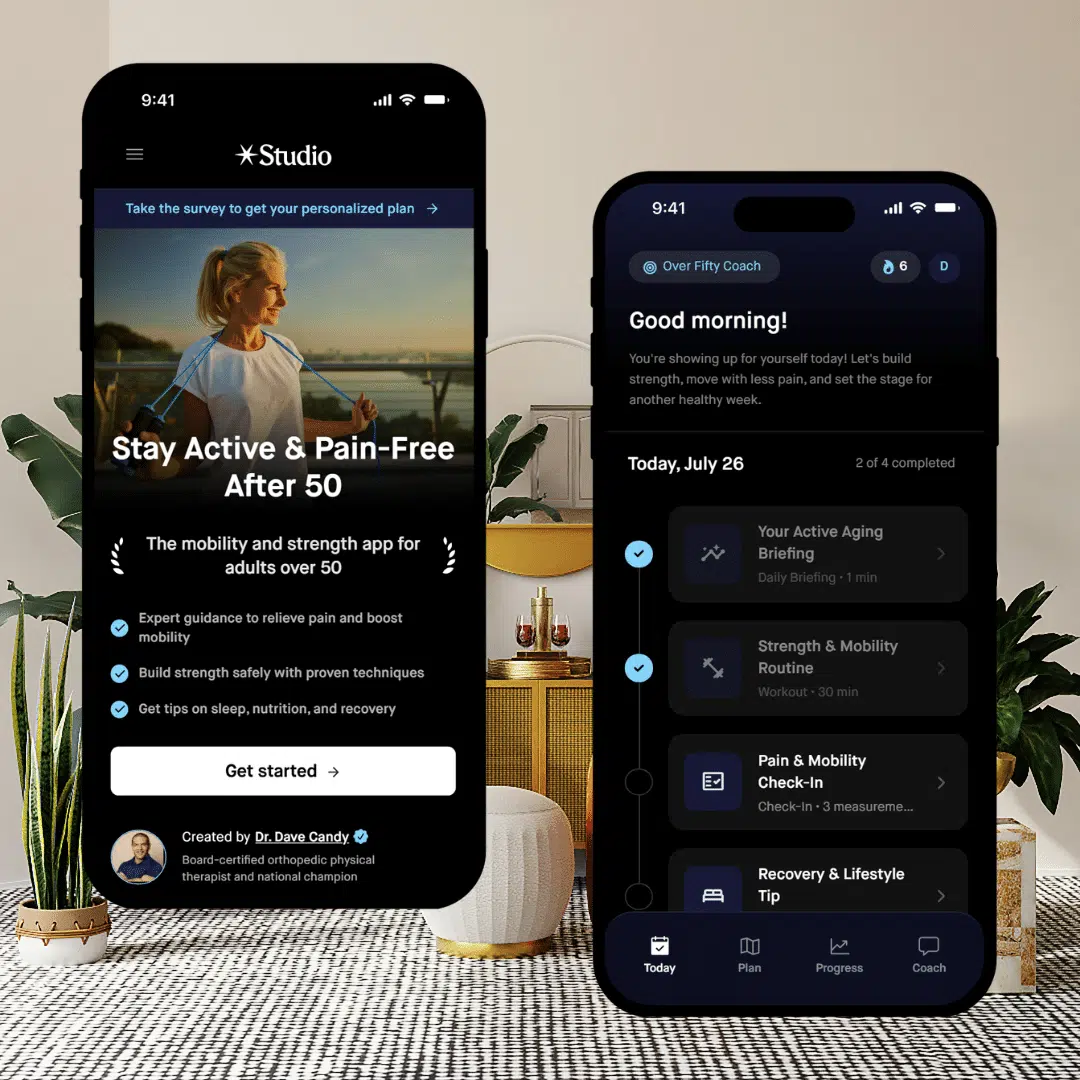
Need Help To Stay Strong and Mobile After 50?
Affiliate Disclosure: This post contains affiliate links to Amazon and/or other sites. While I only recommend products that I trust, as an Amazon Associate, I earn commission from qualifying purchases at no extra cost to you.
Medical Disclaimer: The content on this site is for educational and informational purposes only and is not intended as medical advice. Always consult with a qualified healthcare professional before beginning any new exercise program, diet, or supplement regimen, especially if you have pre-existing health conditions.