
Understanding Hand Numbness and Its Causes
If you have numbness and tingling in your hand, it can be frustrating and concerning. While carpal tunnel syndrome is the first thing that may come to mind, it’s not the only cause. Keep reading to learn other causes plus a 3-step process to help relieve hand numbness without surgery.
The 3-Step Process to Relieve Hand Numbness
Imagine your nerves like small streams flowing from a large river. If the river is partially blocked, the flow downstream reduces significantly. This analogy applies to the nerves in your neck and their impact on your hand. The first step in addressing hand numbness involves examining the neck, followed by the thoracic outlet, and finally, the carpal tunnel itself.
Step 1: Addressing the Neck
The nerves that control sensations and strength in your hand originate from the lower part of your neck (C6, C7, C8, and T1). C6 affects your thumb and index finger, C7 influences the middle finger, while C8 and T1 are responsible for the strength in your hand.
To alleviate numbness, it’s crucial to maintain proper neck positioning. For instance, bending your head towards one side can narrow the exit points for these nerves, leading to compression. If you notice numbness in both hands, be sure to check for systemic issues like diabetic neuropathy, which could indicate nerve health problems.
Neck Stretching Exercises
One effective stretching technique involves using a stretching strap or even a towel. Here’s how to perform the stretch:
- Sit on one end of the strap with the other end draped over your shoulder.
- Pull the strap across your body, ensuring it is close to your neck.
- Gently tilt your head away from the strap to stretch your neck and scalene muscles.
Perform this stretch 10 to 15 times for effective relief. This technique stabilizes the first rib, allowing for better stretching of the scalene muscles and reducing nerve compression.
Step 2: Focusing on the Thoracic Outlet
The thoracic outlet is crucial as it serves as a passageway for the nerves from the neck to the arm. Rounded shoulder posture can create stiffness in the pectoralis minor, contributing to nerve compression. Maintaining proper posture can help prevent this stiffness.
To stretch the pectoralis minor, adopt the following position:
- Position your arms like a goalpost with elbows bent at 90 degrees.
- Lift your chest while gently rotating your arms back.
Try to maintain this posture throughout the day to prevent stiffness. You can also do this stretch for about a minute, accumulating 60 seconds total through multiple sets.
Step 3: How to Relieve Hand Numbness From Carpal Tunnel Syndrome
The carpal tunnel consists of wrist bones and a ligament that can become compressed, causing numbness, especially at night. If you often wake up with tingling hands, it may be due to poor wrist positioning during sleep.
One immediate solution is to wear wrist braces at night to keep your wrists in a neutral position. During the day, using wrist braces while performing activities can also help reduce pressure on the carpal tunnel.
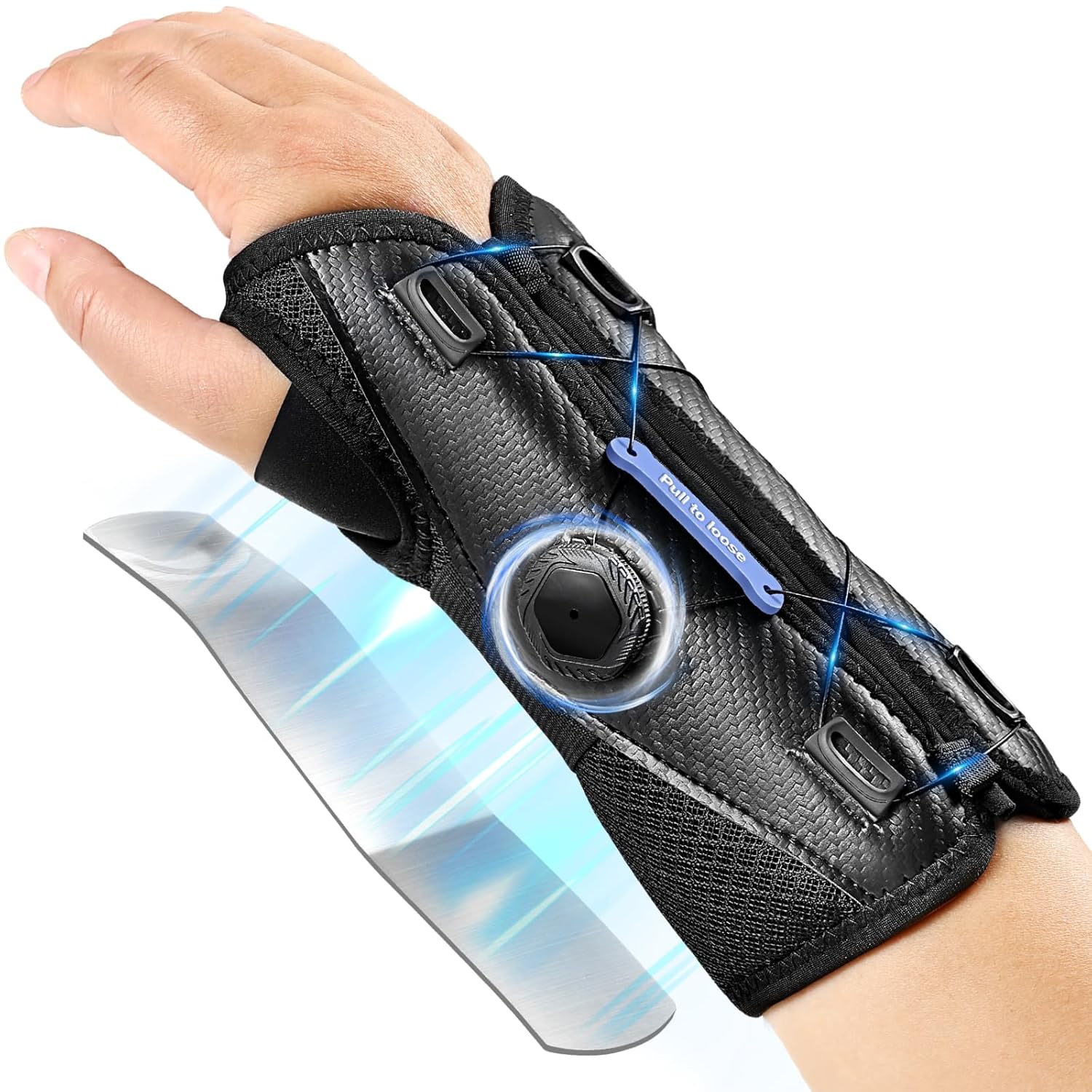
Stretches for Carpal Tunnel Relief
In addition to braces, perform wrist stretches to ease tension in the wrist flexors:
- Extend your arm straight out with your palm facing up.
- With your other hand, gently pull back on the fingers to stretch the wrist flexors.
Accumulating 60 seconds of this stretch will help alleviate tightness. For further relief, you might consider manual mobilization of the wrist bones through a physical therapist, as it can be difficult to perform on your own.
Using Nerve Glides to Relieve Hand Numbness
Once you’ve addressed potential compression points in the neck, thoracic outlet, and carpal tunnel, you can incorporate nerve glides to enhance nerve mobility. The median nerve glide is particularly beneficial:
- Start by touching your shoulder.
- Extend your arm, turning your palm up and wrist back.
- Move through this range of motion comfortably.
Remember, if you feel discomfort during these exercises, consult a physical therapist for personalized guidance.
Conclusion
Numbness in your hand can stem from various causes. However, with the three-step process outlined, you can take proactive measures to relieve hand numbness. By addressing your neck, thoracic outlet, and carpal tunnel, you may find significant relief. If symptoms persist, see a healthcare professional for further assistance.
Need Help To Stay Strong and Mobile After 50?

Affiliate Disclosure: This post contains affiliate links to Amazon and/or other sites. While I only recommend products that I trust, as an Amazon Associate, I earn commission from qualifying purchases at no extra cost to you.
Medical Disclaimer: The content on this site is for educational and informational purposes only and is not intended as medical advice. Always consult with a qualified healthcare professional before beginning any new exercise program, diet, or supplement regimen, especially if you have pre-existing health conditions.