
Understanding Muscle Loss After 50
If you’re over 50 and experiencing muscle loss, you’re not alone. This condition, known as sarcopenia, can begin as early as age 30 and accelerates significantly after 60. Fortunately, there are actionable steps you can take to slow down and even reverse sarcopenia. This post will cover 3 non-negotiables to build muscle after 50.
3 Non-Negotiables to Built Muscle After 50
To build muscle after 50, you need to focus on:
- Progressive resistance training
- Adequate protein intake
- Quality sleep
1. Progressive Resistance Training
Weight lifting is critical for strength building, but it’s essential to approach it correctly. Your training must be:
- Difficult: If you’re not challenging yourself, you’re unlikely to see results.
- Progressive: Gradually increase the weights you lift over time.
- Consistent: Aim for regular sessions, ideally two to three times a week.
Studies have shown that older adults benefit most from a repetition range of 7 to 9 reps per set. This means you should aim to lift weights that allow you to perform 7 to 9 repetitions, with no more than two reps left in reserve. For isolation exercises like bicep curls, it’s okay to push to failure on your last set.
Consistency is key—many see results in as little as eight weeks, but long-term commitment yields the best outcomes.
Read this post to learn 5 essential dumbbell exercises for over 50s.
2. Adequate Protein Intake
The second non-negotiable is ensuring you consume enough protein, which serves as the building block for muscle repair and growth.
Research suggests that older adults should aim for 1.2 to 2.0 grams of protein per kilogram of body weight. If you’re more familiar with pounds, this translates to about 0.55 to 0.91 grams of protein per pound of bodyweight. For example, a 200-pound individual should strive for 110 to 182 grams of protein per day.
Animal products like beef, chicken, fish, eggs, and dairy are optimal because they contain all 9 amino acids that your body cannot make on its own. These include:
- Histidine
- Isoleucine
- Leucine
- Lysine
- Methionine
- Phenylalanine
- Threonine
- Tryptophan
- Valine
Most vegetarian protein sources with the exception of a few (i.e. soybeans) are deficient in at least one essential amino. It is possible to meet your protein needs on a vegetarian diet, but it requires careful planning to ensure you get sufficient amounts of all 9 essential amino acids.
3. Quality Sleep
Last but not least, adequate sleep is crucial for muscle recovery. Aim for 7 to 9 hours of quality sleep each night. If you find yourself waking up tired, consider consulting a healthcare provider about possible sleep disorders.
To improve sleep quality, engage in daily exercise, limit caffeine intake, keep your bedroom cool and dark, and establish a calming bedtime routine. Reducing exposure to blue light in the evening can also enhance your ability to fall asleep. Simple habits like going to bed and waking up at the same time daily can help regulate your sleep patterns.
Conclusion
In summary, to build muscle after 50, focus on progressive resistance training, getting adequate protein intake, and enough quality sleep. Implementing these 3 non-negotiables will help you maintain your strength, muscle mass, and quality of life as you age.
Additionally, some supplements such as creatine monohydrate can help with building muscle. Learn more about creatine supplementation for seniors.
For personalized diet and exercise advice tailored to your needs, consult a dietician and/or physical therapist.
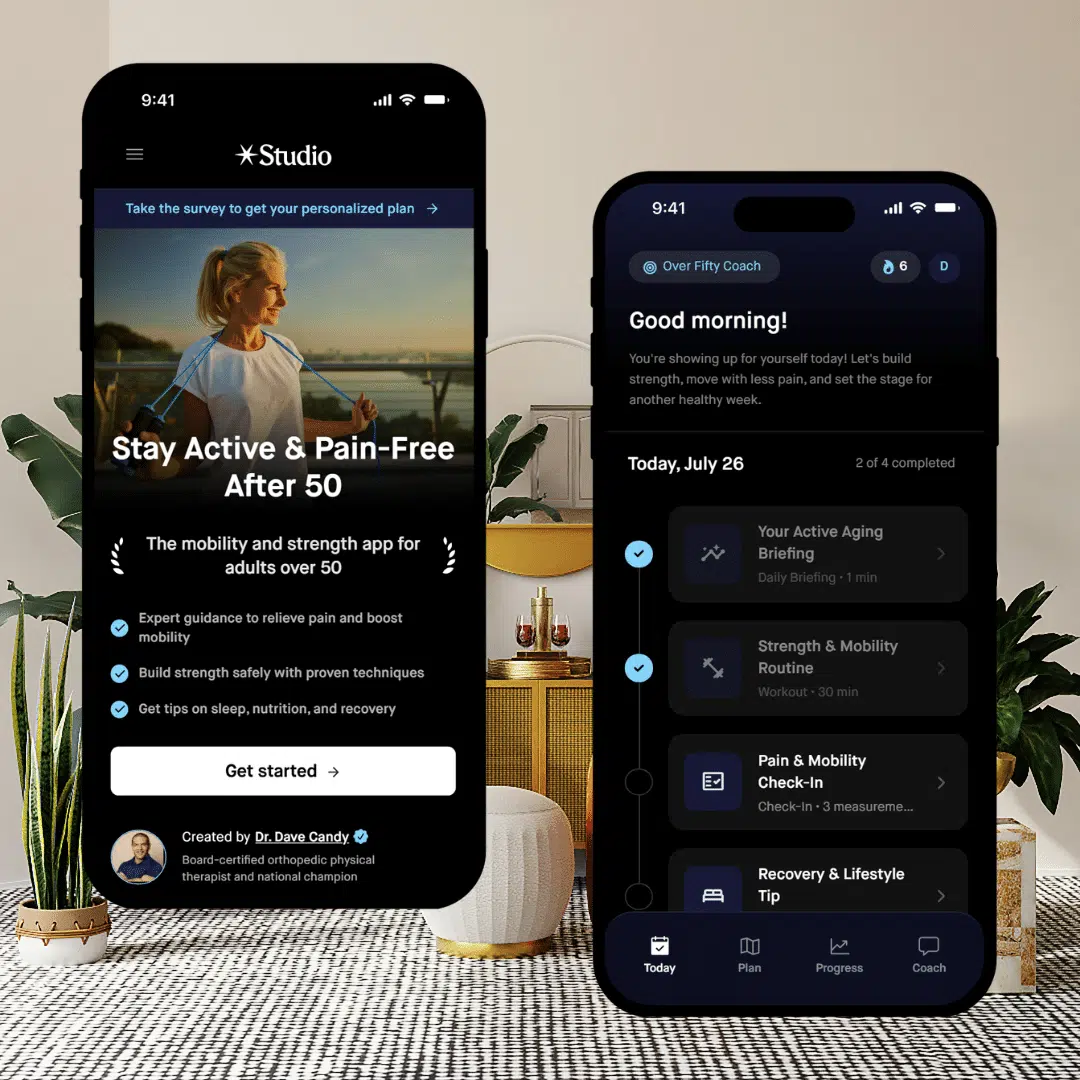
Need Help To Stay Strong and Mobile After 50?
Affiliate Disclosure: This post contains affiliate links to Amazon and/or other sites. While I only recommend products that I trust, as an Amazon Associate, I earn commission from qualifying purchases at no extra cost to you.
Medical Disclaimer: The content on this site is for educational and informational purposes only and is not intended as medical advice. Always consult with a qualified healthcare professional before beginning any new exercise program, diet, or supplement regimen, especially if you have pre-existing health conditions.