
Is Creatine Good For Seniors?
When you hear about creatine, you may immediately think of athletes and bodybuilders. However, for those over 50, creatine should be viewed as a potential longevity supplement rather than just a bulking agent. Recent research indicates that creatine not only aids helps maintain muscle mass but also plays a role in protecting cognitive function. This makes creatine a good supplement for seniors.
What is Creatine?
Creatine is a compound made from amino acids: arginine, glycine, and methionine. It is primarily synthesized in the liver, kidneys, and pancreas, and small amounts can also be obtained from dietary sources, particularly meat. Most individuals consume only about one to two grams of creatine daily, leaving ample room for supplementation.
How Does Creatine Work?
Creatine serves as an energy reserve in the body, enhancing the production of ATP (adenosine triphosphate), which is the primary energy carrier in cells. During low-energy tasks, such as walking, the body regenerates ATP efficiently. In contrast, during high-intensity activities like sprinting or weightlifting, ATP regeneration slows down. This is where creatine becomes beneficial, as it can quickly replenish ATP levels, allowing for sustained high-intensity performance.
Benefits of Creatine for Seniors
While the benefits of creatine for muscle performance are well-documented across various age groups, its effects on cognitive function are emerging as a significant area of interest. Studies suggest that creatine may help combat age-related muscle loss, known as sarcopenia, and improve cognitive tasks, particularly in memory and processing speed.
Creatine and Cognitive Function
Newer research on creatine indicates that while overall cognitive function scores may not significantly improve, the speed and efficiency of task completion do. For example, tasks that demand attention and quick processing may see enhanced performance, allowing older adults to function more effectively in daily activities.
Safety and Dosage Considerations
Creatine is considered safe for most individuals, but there are some important considerations to keep in mind. A small percentage of creatine is naturally converted to creatinine, which is used as a measure of kidney function. Therefore, if you are taking creatine, it’s essential to inform your doctor, especially if you are undergoing blood tests, as elevated creatinine levels may be observed.
For muscle benefits, a standard dose of around 5 grams per day is recommended. However, for cognitive benefits, studies have suggested higher dosages, ranging from 5 to 20 grams per day, may be more effective. This is due to the difficulty creatine has in crossing the blood-brain barrier, which necessitates a larger dose to achieve optimal results in brain health.
My Personal Experiment with Creatine
After a 25-year hiatus from creatine, I am embarking on a personal experiment. I will be taking 20 grams of creatine daily for the next 30 days to explore its effects on my muscle and cognitive function. The product I will be using is Nutricost Creatine Monohydrate. Creatine monohydrate is the most researched form of creatine and is known for its efficacy.
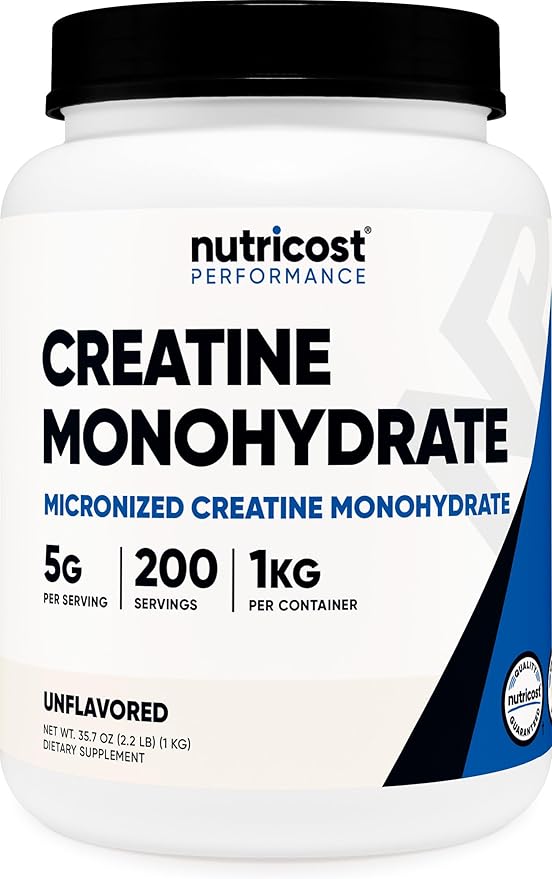
While most products are similar, it is advisable to choose a creatine supplement that has been third-party tested. This ensures that you are receiving a product that meets quality standards and contains what it claims on the label.
Is Creatine Right For You?
If you’re over 50, considering creatine supplementation could be a vital step towards enhancing both your physical and cognitive health. However, always consult with your healthcare provider before starting any new supplement, especially if you have existing health concerns. Stay tuned for my follow-up, where I’ll share the results of my 30-day creatine journey!
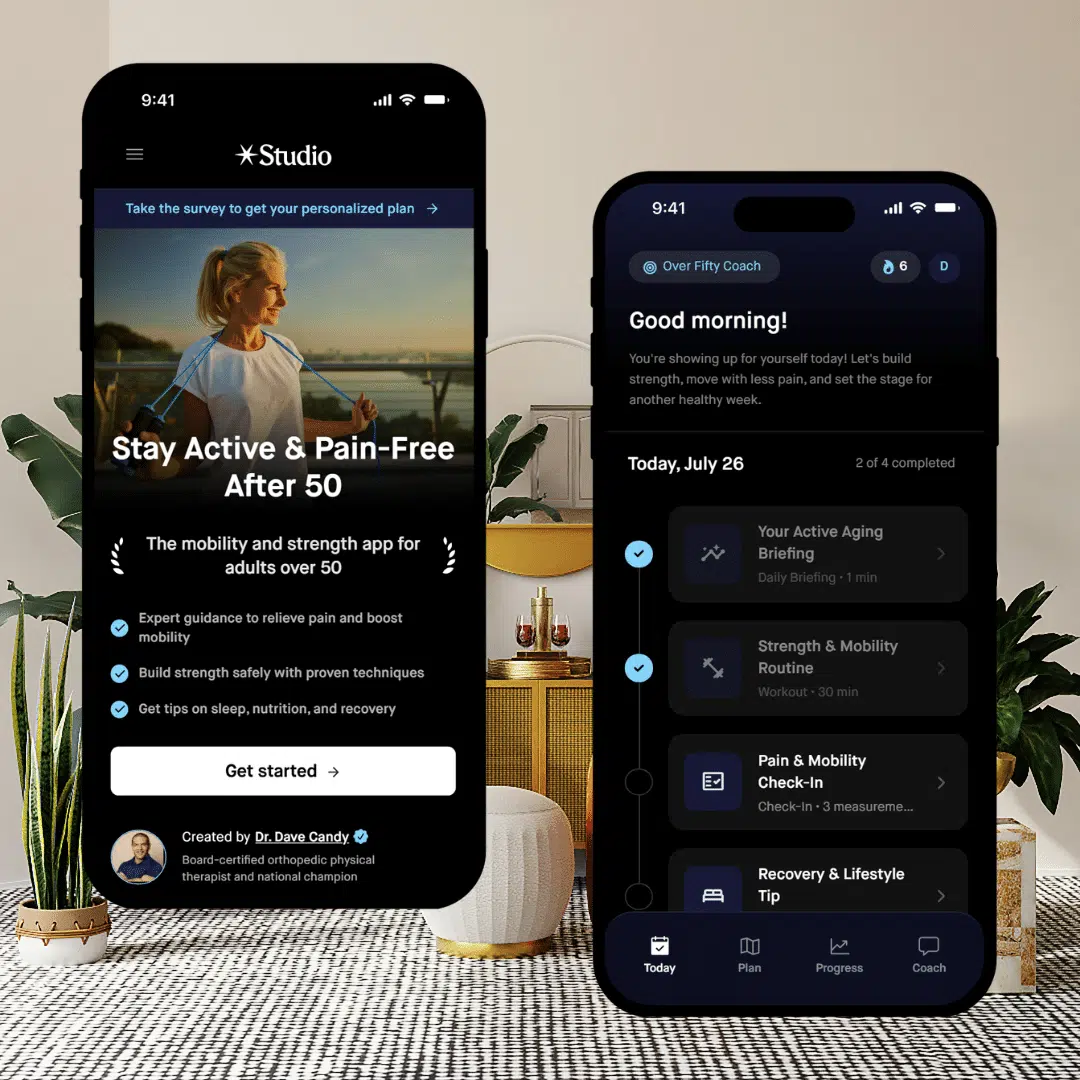
Need Help To Stay Strong and Mobile After 50?
Affiliate Disclosure: This post contains affiliate links to Amazon and/or other sites. While I only recommend products that I trust, as an Amazon Associate, I earn commission from qualifying purchases at no extra cost to you.
Medical Disclaimer: The content on this site is for educational and informational purposes only and is not intended as medical advice. Always consult with a qualified healthcare professional before beginning any new exercise program, diet, or supplement regimen, especially if you have pre-existing health conditions.