
Why Stretching Alone Isn’t Enough
Have you ever felt good after stretching, only to find yourself stiff again shortly after? This common experience highlights a crucial point: stretching only addresses the symptom of stiffness without tackling its underlying causes. Understanding why muscles become stiff is essential for developing lasting flexibility.
Understanding Muscle Stiffness
Muscle stiffness often results from prolonged low-level muscle tension. For instance, research shows that trigger points can develop in the upper trapezius after just one hour of continuous typing. This condition arises because of the Henman size principle, where motor units are recruited from smallest to largest during sustained postural tasks.
Causes of Muscle Stiffness
Two significant factors contribute to muscle stiffness: low-level sustained loads and muscles being held in a shortened position. When you sit at a 90° angle, your hip flexors are in a shortened state, making it difficult to lengthen them later. Moreover, daily activities rarely allow your hamstrings to reach their full length, leading to stiffness.
Protective Mechanism Against Injury
Another reason for muscle stiffness is the body’s protective response to prevent injury. If your brain senses that your muscles are not strong enough to handle a certain position, it may tighten those muscles reflexively. Understanding this mechanism is crucial when addressing stiffness.
Introducing a Three-Step System to Lasting Flexibility
To effectively combat muscle stiffness, it’s essential to employ a strategic approach. Here’s a three-step system to help you achieve lasting flexibility:
1. Autogenic Inhibition
This technique involves contracting a muscle to promote relaxation. For your hamstrings, use a strap to pull your leg into a stretch position. Contract your hamstrings by pressing against the strap for five seconds, then relax and pull further into the stretch. Repeat this five times.

2. Reciprocal Inhibition
In this phase, you’ll contract the opposing muscles to facilitate relaxation in the primary muscle. For the hamstrings, activate the hip flexors and knee extensors while holding the stretch position. Hold this contraction for five seconds, then pull a little further into the stretch. Repeat five times.
3. Eccentric Strengthening
This step focuses on strengthening the muscle while it’s in a lengthened position. For hamstrings, perform a Romanian deadlift. Slowly lower the weights while pushing your hips back, engaging the hamstrings as they lengthen. Aim for at least ten repetitions.

Applying the System to Common Muscle Groups
Now that you understand the three-step system, let’s apply it to three commonly stiff muscle groups: hamstrings, hip flexors, and upper trapezius.
Hamstrings
Follow the three-step system outlined above to effectively stretch and strengthen your hamstrings. This will not only improve flexibility but also reduce the chance of injury.
Hip Flexors
For the hip flexors, begin with a stretch using the autogenic inhibition principle. Lie on your stomach, pull your leg up, and contract the hip extensors as you hold the position. Follow this with eccentric strengthening exercises using a resistance band to resist hip extension.
Upper Trapezius
Sit down and gently pull your head to the side while activating the opposite shoulder muscles. Use the three-step system to stretch and strengthen the upper trapezius effectively.
Next Steps for Lasting Flexibility
By integrating this three-step system into your routine, you can combat muscle stiffness and enhance your flexibility. Remember, the key is to address the underlying causes rather than merely treating the symptoms. Regularly applying these techniques will not only benefit your flexibility but also contribute to overall muscle health.
For more insights on improving your flexibility, explore additional resources and exercises tailored to your needs.
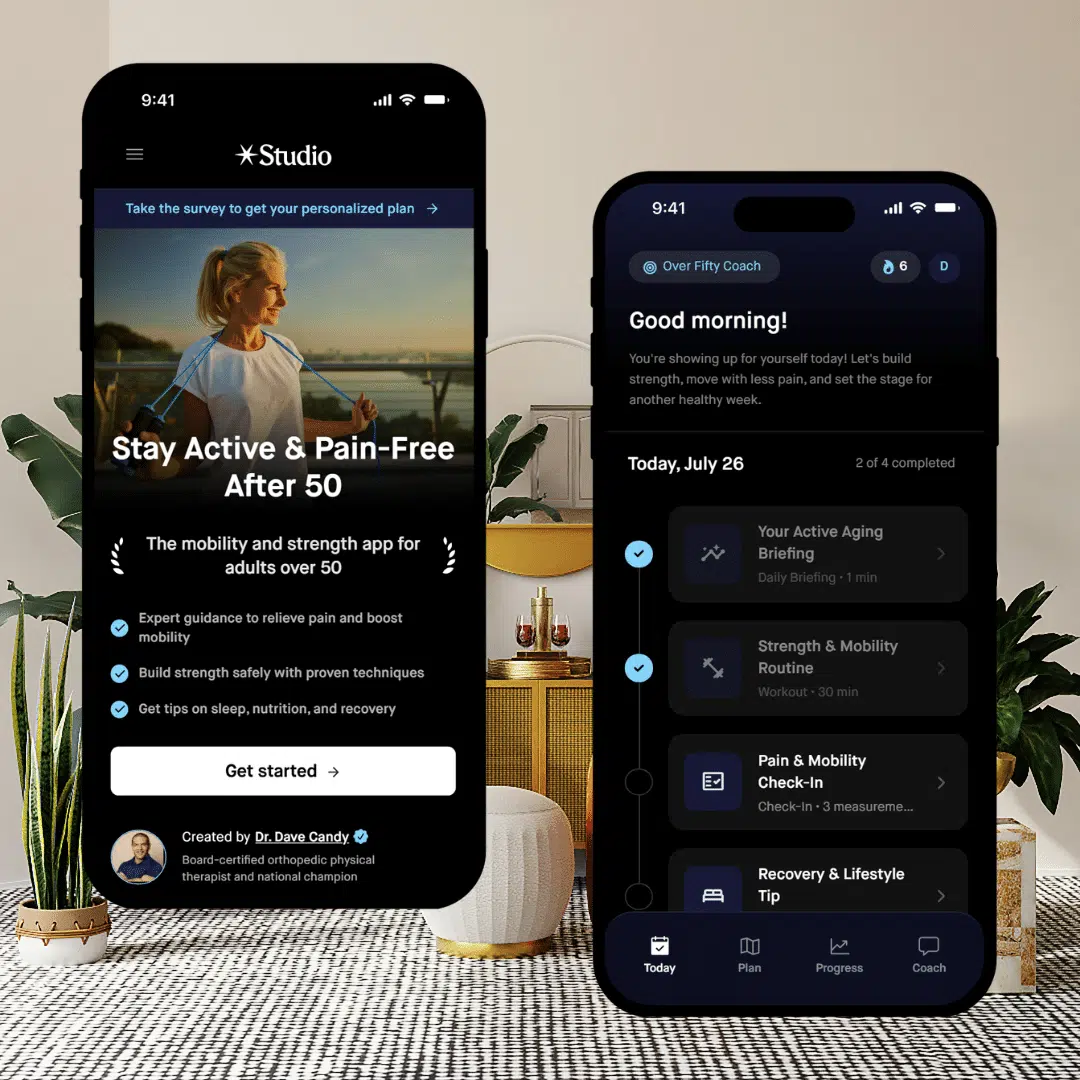
Need Help To Stay Strong and Mobile After 50?
Affiliate Disclosure: This post contains affiliate links to Amazon and/or other sites. While I only recommend products that I trust, as an Amazon Associate, I earn commission from qualifying purchases at no extra cost to you.
Medical Disclaimer: The content on this site is for educational and informational purposes only and is not intended as medical advice. Always consult with a qualified healthcare professional before beginning any new exercise program, diet, or supplement regimen, especially if you have pre-existing health conditions.