
Understanding Air Compression Boots
Air compression boots are gaining popularity among athletes and fitness enthusiasts as a tool for muscle recovery. These devices utilize intermittent pneumatic compression (IPC) to enhance circulation by filling with air in segments, starting from the feet and moving up towards the heart. This method has been used in medical settings to prevent blood clots and manage swelling, but their application in athletic recovery is becoming more prevalent.
How Do Air Compression Boots Work?
The primary goal of air compression boots is to improve blood flow and reduce muscle soreness. The boots inflate and deflate in a cyclical manner, which can help push fluid back towards the heart and reduce swelling. Unlike traditional massage techniques, these boots can be used independently, providing a convenient alternative for athletes.
Research Insights on Muscle Recovery
Recent studies on air compression boots reveal a mixed bag of results concerning their effectiveness for muscle recovery. One of the most consistent findings is their ability to prevent delayed onset muscle soreness (DOMS), particularly within the first few hours post-use. This can be particularly beneficial for athletes competing in multiple events or training sessions.
Short-Term Benefits
Research indicates that using air compression boots can lead to noticeable improvements in recovery immediately after use. Athletes often report feeling refreshed and less sore just after using the boots, making them a useful tool for quick recovery between events, such as track meets or tournaments.
Long-Term Effects
While the immediate benefits are clear, the long-term effects of using air compression boots are less significant. Studies show variable results for muscle recovery beyond the initial 24 to 48 hours. While there is a trend favoring their use for extended recovery, the evidence does not strongly support long-lasting improvements in athletic performance.
Unique Features of the CINCOM Recovery System
The CINCOM Leg Recovery System stands out for its user-friendly design and effective features. Unlike other models that may require complicated setups, the CINCOM boots offer a zip-up design that makes them easy to put on and remove. They come in multiple sizes, accommodating various heights, which ensures a good fit for most users.

Modes of Operation
The CINCOM boots provide several modes, including sequence and circulation modes, which help enhance blood flow. Users can customize pressure settings from 50 to 150 millimeters of mercury, with 80 mmHg being the most commonly recommended for comfort and effectiveness.
Who Should Use Air Compression Boots?
Air compression boots are particularly beneficial for endurance athletes, such as runners and cyclists, as they can help alleviate the symptoms of lactic acid build-up after intense workouts. Additionally, individuals with conditions like restless legs may find relief through the regular use of these devices.
Safe Usage Recommendations
While air compression boots can be a valuable recovery tool, it’s crucial to use them safely. Users should monitor their comfort levels during use, especially regarding pressure settings. If feet become cold or numb, it may indicate the pressure is too high. Always consult with a healthcare provider if there are any concerns about using compression therapy, especially for medical purposes.
Final Thoughts on Air Compression Boots
In summary, air compression boots can provide immediate benefits for muscle recovery and soreness management, particularly after intense physical activity. While they are not a magic solution for long-term athletic performance enhancement, they do offer a practical option for those looking to improve their recovery process. If you’re considering incorporating air compression boots into your routine, the CINCOM Leg Recovery System is a user-friendly and effective choice.
To explore more about air compression boots and their potential benefits, consider consulting with a physical therapist or a fitness professional to determine if they fit your recovery needs.
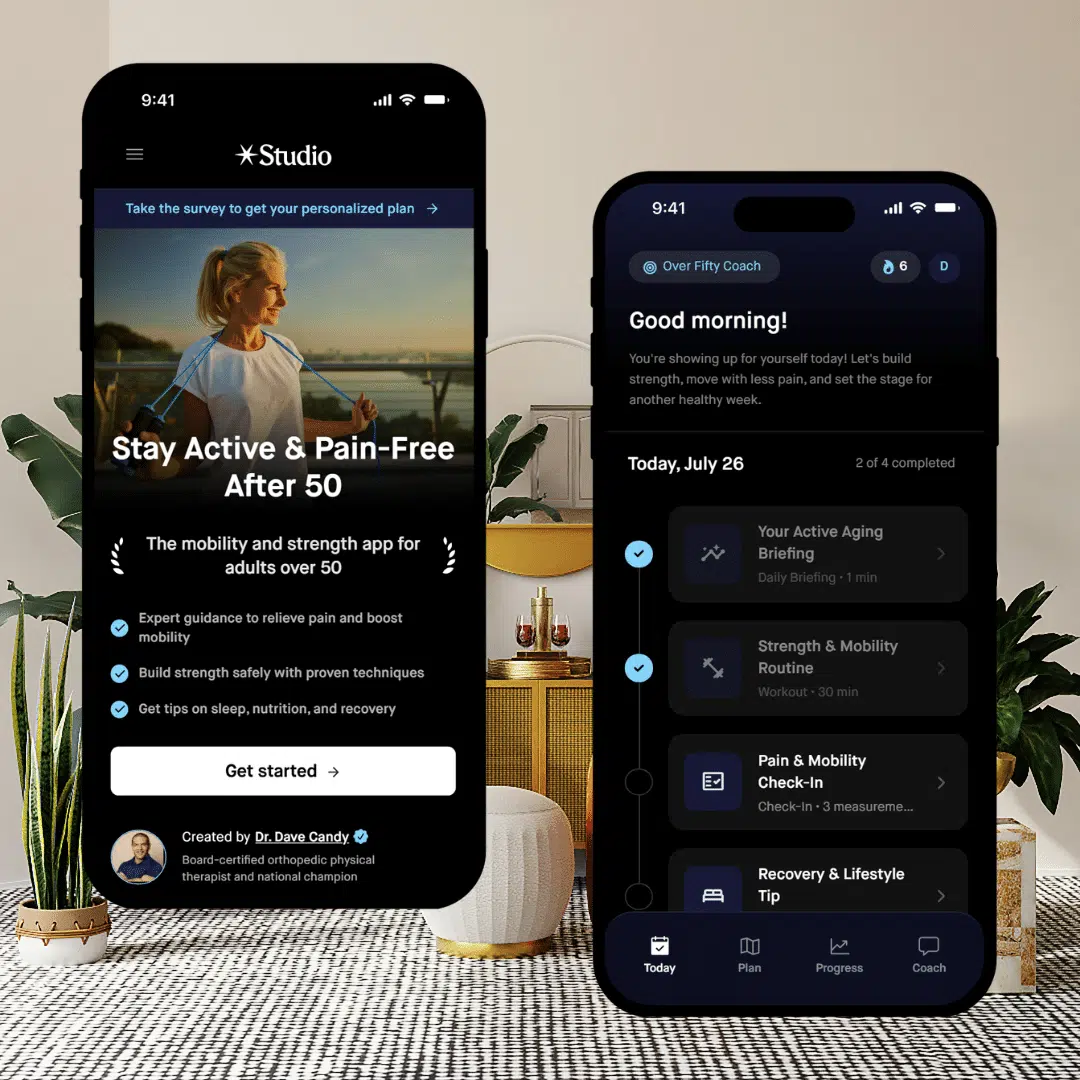
Need Help To Stay Strong and Mobile After 50?
Affiliate Disclosure: This post contains affiliate links to Amazon and/or other sites. While I only recommend products that I trust, as an Amazon Associate, I earn commission from qualifying purchases at no extra cost to you.
Medical Disclaimer: The content on this site is for educational and informational purposes only and is not intended as medical advice. Always consult with a qualified healthcare professional before beginning any new exercise program, diet, or supplement regimen, especially if you have pre-existing health conditions.