
Introduction to Blood Flow Restriction Training
As we age, maintaining muscle strength becomes crucial for overall health, especially after 50. Traditional strength training often involves heavy weights, which may not be suitable for everyone. Fortunately, you can build muscle effectively using a method called blood flow restriction training (BFR training). This approach allows older adults to enhance muscle strength without the risk of injury associated with heavy lifting.
What is Blood Flow Restriction Training?
Blood flow restriction training involves wrapping a cuff around a limb to limit blood flow. This creates a low oxygen environment, prompting your body to recruit fast-twitch muscle fibers, which are essential for muscle growth. By using only 20-30% of your one-repetition maximum, you can stimulate significant muscle gains.

How Does BFR Training Work?
When the cuff is applied, it restricts the influx of blood while trapping it in the muscles. This leads to an accumulation of metabolites like lactate, which signals your body to release growth hormones and initiate protein synthesis. Essentially, BFR training tricks your body into reacting as if you’ve lifted heavy weights, thereby promoting muscle growth without the associated risks.
The Science Behind BFR Training for Older Adults
Numerous studies have examined the efficacy of BFR training for individuals over 50. Research indicates that BFR training can be equally effective as heavy lifting for building muscle mass, particularly beneficial for older adults facing mobility issues or recovering from injuries. One systematic review of 14 randomized controlled trials highlighted that while heavy lifting may increase strength slightly more, BFR training is a close second.
Key Findings from Research
- A systematic review found that BFR training improved muscle hypertrophy and strength among older adults.
- Another study indicated improvements in gait and functional mobility, enhancing overall physical performance.
- In a broader analysis, 30 studies confirmed that BFR training aids in muscle size and functional strength improvements.
How to Perform Blood Flow Restriction Training
Implementing BFR training is straightforward. Here’s a step-by-step guide:
- Use a cuff that can apply 60-80% limb occlusion pressure, ensuring it is not too tight to avoid serious complications.
- Select a weight that is 20-30% of your one-repetition maximum. This ensures you are lifting light while still gaining benefits.
- Follow a typical protocol: perform 30 repetitions for the first set, then rest for 30 seconds before doing three sets of 15 repetitions.
Throughout the workout, the cuff remains inflated, promoting blood accumulation in your muscles. Despite using lighter weights, this method delivers an effective workout, resulting in muscle fatigue.
Exercises Suitable for BFR Training
You can incorporate various exercises into your BFR training routine, including:
- Bodyweight squats
- Leg extensions
- Resistance band exercises
- Leg presses
Even walking can be enhanced with BFR training, using a slightly lower pressure to reap benefits in functional mobility and strength.
Safety Precautions When Using BFR Training
While BFR training is generally safe, certain precautions are essential:
- Consult with a healthcare provider if you have uncontrolled high blood pressure, a history of blood clots, recent surgeries, or active cancer.
- Use appropriate equipment, such as smart cuffs, to ensure safe and effective pressure application.
Taking these precautions will help you avoid potential complications while gaining the benefits of BFR training.
Conclusion: Next Steps in Your Fitness Journey
Blood flow restriction training offers a safe and effective alternative to traditional weight lifting for individuals over 50. By implementing this method, you can build muscle, enhance strength, and improve overall mobility without the strain of heavy weights. Consider speaking with a physical therapist or fitness professional to tailor a BFR training program that suits your needs and to ensure you follow safety guidelines. Start your journey towards stronger muscles today!
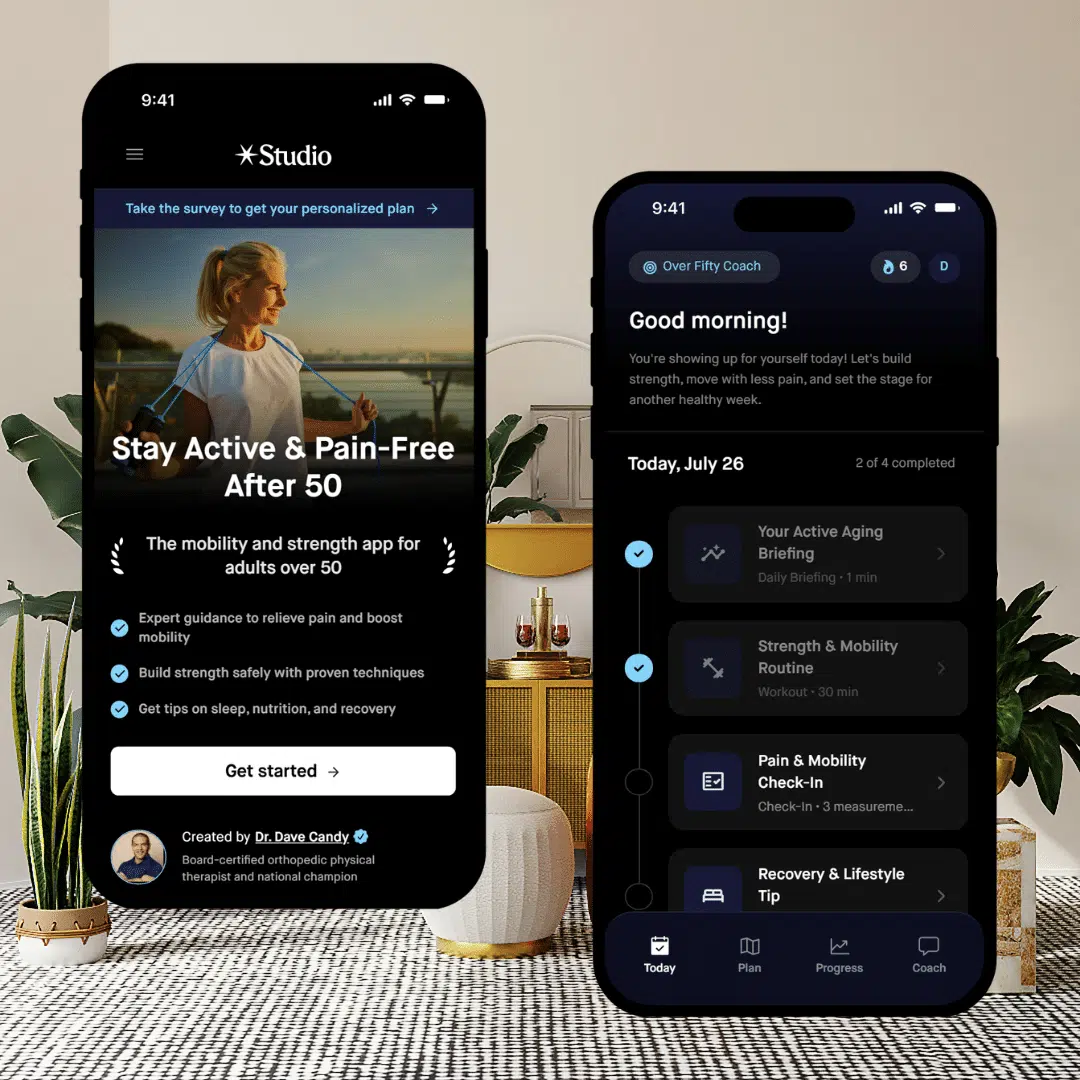
Need Help To Stay Strong and Mobile After 50?
Affiliate Disclosure: This post contains affiliate links to Amazon and/or other sites. While I only recommend products that I trust, as an Amazon Associate, I earn commission from qualifying purchases at no extra cost to you.
Medical Disclaimer: The content on this site is for educational and informational purposes only and is not intended as medical advice. Always consult with a qualified healthcare professional before beginning any new exercise program, diet, or supplement regimen, especially if you have pre-existing health conditions.